
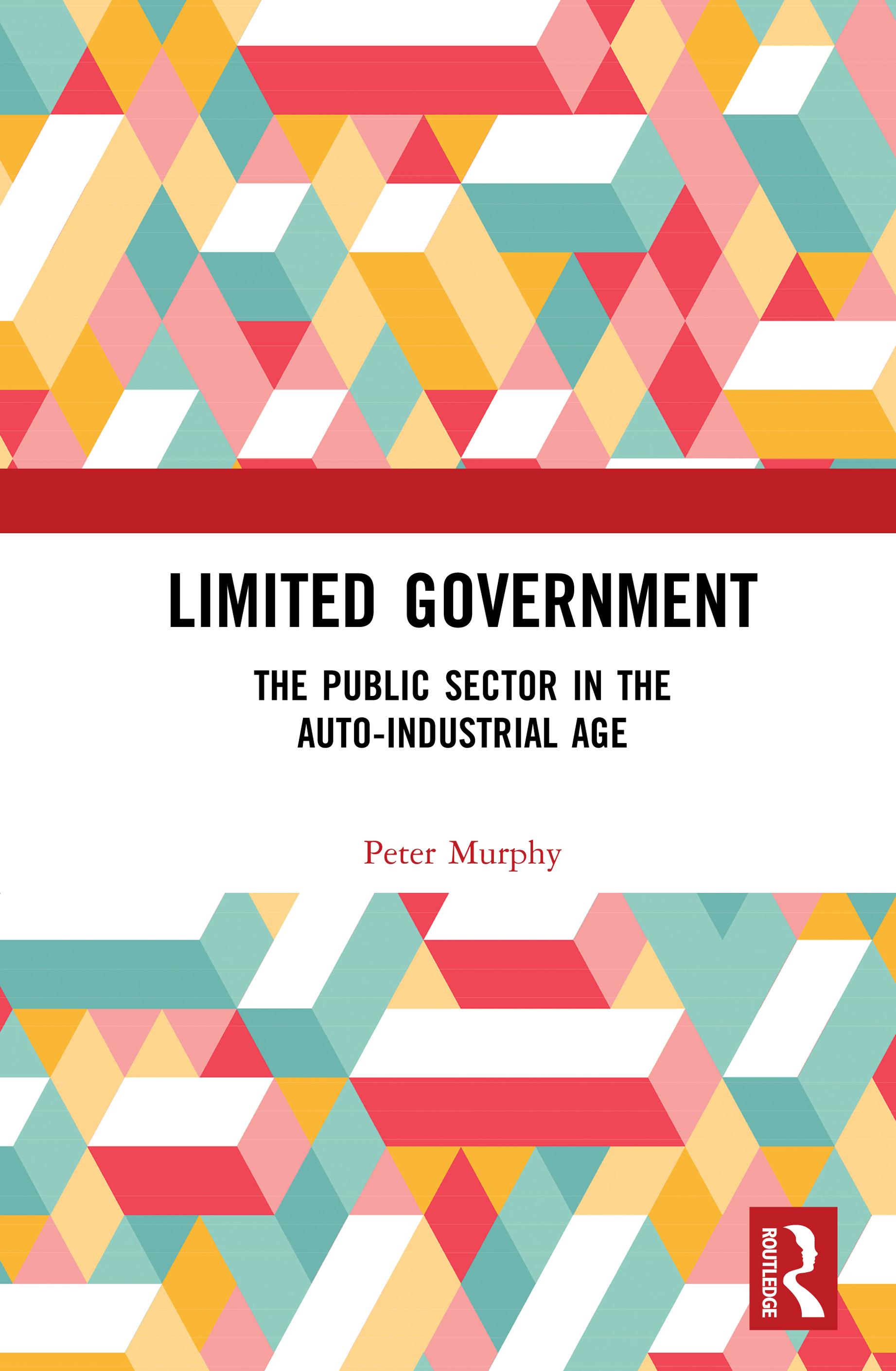
This book explores why, despite increased government spending on income-support, health and education, the costs of public goods are rising and their quality is declining. Charting the rise of big government, the author identifies a growing divergence between public-sector ideals and the realities of troubled political economies grappling with debt, deficits, ageing populations, improvident social insurance, declining education test scores and multiplying health costs. Limited Government analyzes in detail the social and political factors in major economies that drive up public spending, as well as the relationship between spending and outcomes. By developing an alternate model of public finances, and engaging in a critique of the managerial society, the author emphasizes the positive effects of self-management, social self-organization and technological automation, arguing that high-quality, low-cost goods are the result of nations that save, not states that tax. A sociological account of public finances, Limited Government outlines how governments can spend less and yet help ensure good broad equitable standards of health, education and income security.
Paga fácilmente con tarjeta, Klarna, Apple Pay o Google Pay. ¿No estás contento? Siempre tienes 14 días de garantía de devolución. Lee más en nuestros términos. Si tienes preguntas, escríbenos a hello@memmo.org.
Memmo hace que estudiar sea más fácil, estés donde estés. Aquí tienes tus libros de texto y herramientas de estudio inteligentes en un solo lugar: resúmenes, quizzes, podcasts y flashcards. Y también a Ted, tu compañero de estudio que responde a todo lo que te preguntes. Más de 50 000 estudiantes ya estudian aquí. Está hecho para que aprendas más rápido y te estreses menos.