
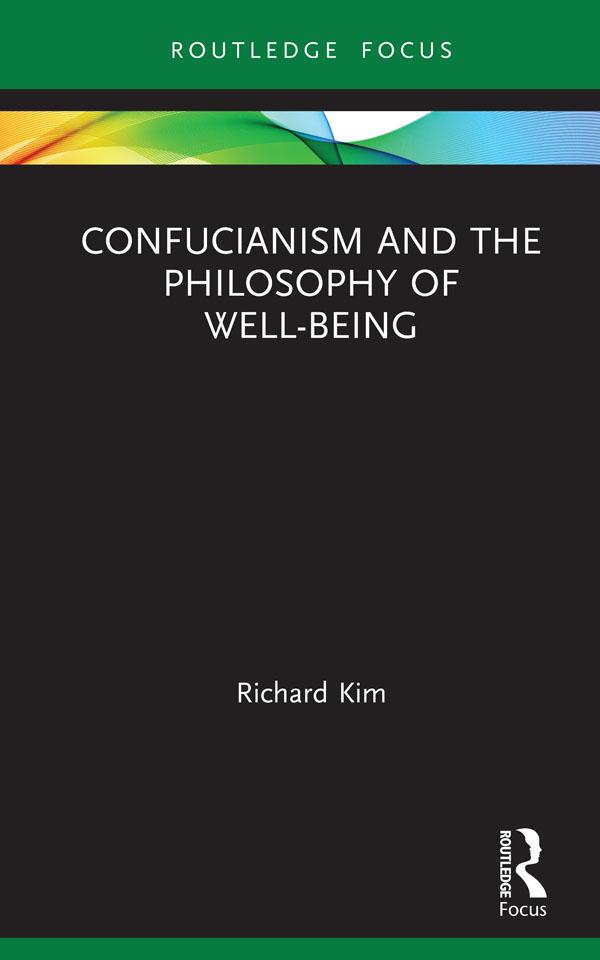
Well-being is topic of perennial concern. It has been of significant interest to scholars across disciplines, culture, and time. But like morality, conceptions of well-being are deeply shaped and influenced by one’s particular social and cultural context. We ought to pursue, therefore, a cross-cultural understanding of well-being and moral psychology by taking seriously reflections from a variety of moral traditions.
This book develops a Confucian account of well-being, considering contemporary accounts of ethics and virtue in light of early Confucian thought and philosophy. Its distinctive approach lies in the integration of Confucian moral philosophy, contemporary empirical psychology, and contemporary philosophical accounts of well-being.
Richard Kim organizes the book around four main areas: the conception of virtues in early Confucianism and the way that they advance both individual and communal well-being; the role of Confucian ritual practices in familial and communal ties; the developmental structure of human life and its culmination in the achievement of sagehood; and the sense of joy that the early Confucians believed was central to the virtuous and happy life.
Paga fácilmente con tarjeta, Klarna, Apple Pay o Google Pay. ¿No estás contento? Siempre tienes 14 días de garantía de devolución. Lee más en nuestros términos. Si tienes preguntas, escríbenos a hello@memmo.org.
Memmo hace que estudiar sea más fácil, estés donde estés. Aquí tienes tus libros de texto y herramientas de estudio inteligentes en un solo lugar: resúmenes, quizzes, podcasts y flashcards. Y también a Ted, tu compañero de estudio que responde a todo lo que te preguntes. Más de 50 000 estudiantes ya estudian aquí. Está hecho para que aprendas más rápido y te estreses menos.