
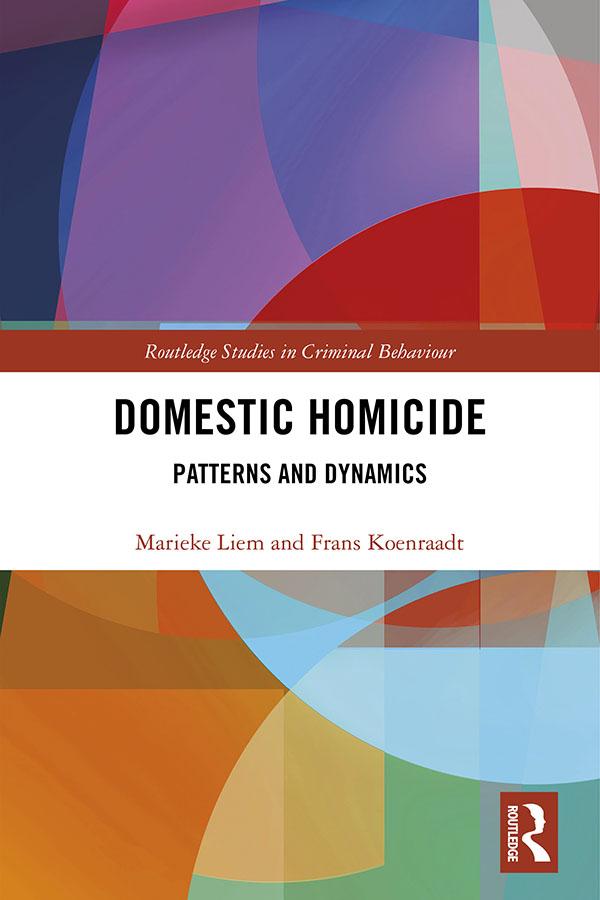
The literature on domestic violence will often treat homicide as its most extreme outcome. The reality is more nuanced, with many domestic homicides occurring within a history of abusive behaviour. This book offers a much-needed synthesis of the literature on domestic homicide, covering its history; the theories supporting it; its various forms such as filicide, intimate partner homicide, parricide, siblicide and familicide; and its prevention.
The authors explore the predominant theories that have been used to explain domestic homicides in general, as well as specific subtypes of domestic homicide. Each chapter then takes a chronological approach in examining relationships between victim and perpetrator in the most prominent types of domestic homicide. Drawing on the empirical evidence, it offers a unique insight into the dynamics of domestic homicides, and debunks some of the common stereotypes surrounding it. The book concludes with an overview of the main areas of prevention of domestic homicide and offers recommendations for professionals working in domestic violence services, medical practitioners and mental health services.
This book will be of interest to criminologists, psychiatrists, psychologists and sociologists alike, and will be key reading for a range of courses on violence, abuse and aggression.
Paga fácilmente con tarjeta, Klarna, Apple Pay o Google Pay. ¿No estás contento? Siempre tienes 14 días de garantía de devolución. Lee más en nuestros términos. Si tienes preguntas, escríbenos a hello@memmo.org.
Memmo hace que estudiar sea más fácil, estés donde estés. Aquí tienes tus libros de texto y herramientas de estudio inteligentes en un solo lugar: resúmenes, quizzes, podcasts y flashcards. Y también a Ted, tu compañero de estudio que responde a todo lo que te preguntes. Más de 50 000 estudiantes ya estudian aquí. Está hecho para que aprendas más rápido y te estreses menos.