
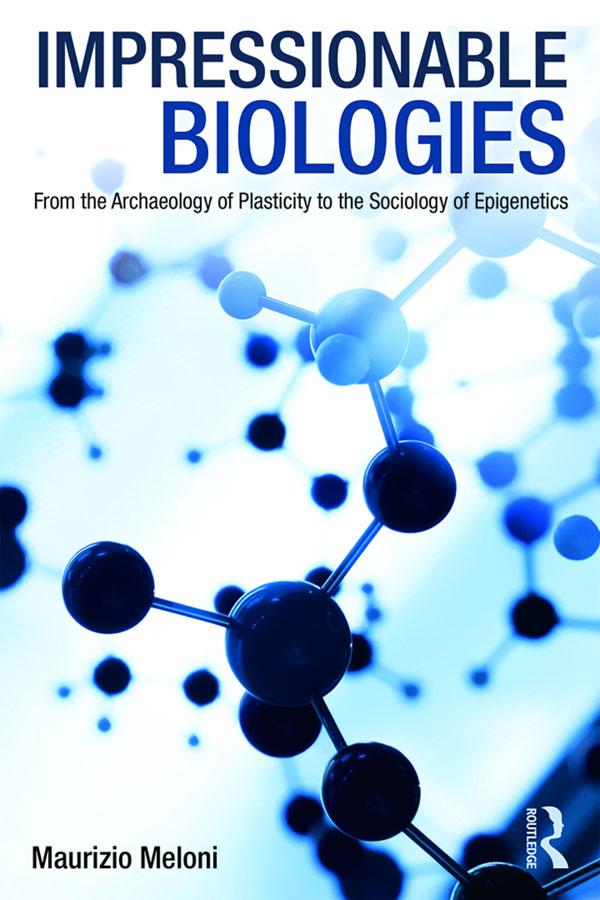
During the twentieth century, genes were considered the controlling force of life processes, and the transfer of DNA the definitive explanation for biological heredity. Such views shaped the politics of human heredity: in the eugenic era, controlling heredity meant intervening in the distribution of "good" and "bad" genes. However, since the turn of the twenty-first century, this centrality of genes has been challenged by a number of "postgenomic" disciplines. The rise of epigenetics in particular signals a shift from notions of biological fixedness to ideas of plasticity and "impressionability" of biological material.
This book investigates a long history of the beliefs about the plasticity of human biology, starting with ancient medicine, and analyses the biopolitical techniques required to govern such permeability. It looks at the emergence of the modern body of biomedicine as a necessary displacement or possibly reconfiguration of earlier plastic views. Finally, it analyses the returning of plasticity to contemporary postgenomic views and argues that postgenomic plasticity is neither a modernistic plasticity of instrumental management of the body nor a postmodernist celebration of potentialities. It is instead a plasticity that disrupts clear boundaries between openness and determination, individual and community, with important implications for notions of risk, responsibility and intervention.
Paga fácilmente con tarjeta, Klarna, Apple Pay o Google Pay. ¿No estás contento? Siempre tienes 14 días de garantía de devolución. Lee más en nuestros términos. Si tienes preguntas, escríbenos a hello@memmo.org.
Memmo hace que estudiar sea más fácil, estés donde estés. Aquí tienes tus libros de texto y herramientas de estudio inteligentes en un solo lugar: resúmenes, quizzes, podcasts y flashcards. Y también a Ted, tu compañero de estudio que responde a todo lo que te preguntes. Más de 50 000 estudiantes ya estudian aquí. Está hecho para que aprendas más rápido y te estreses menos.