
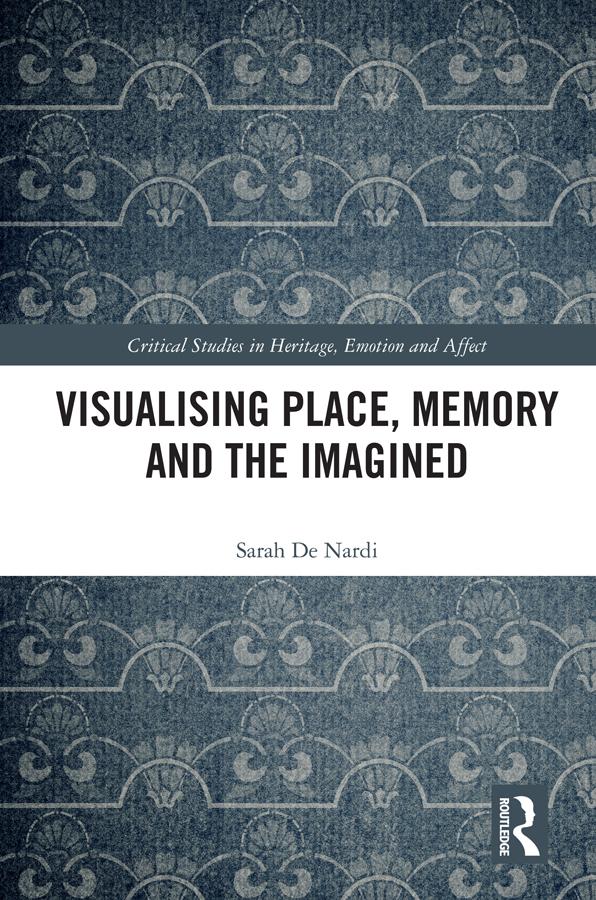
This book probes into how communities and social groups construct their understanding of the world through real and imagined experiences of place. The book seeks to connect the dots of the factual and the imaginary that form
affective networks of identities, which help shape local memory and sense of self and community, as well as a sense of the past. It exploits the concept of make-believe spaces – in the environment, storytelling and mnemonic narratives – as a social framework that aligns and informs the everyday memory worlds of communities. Drawing upon fieldwork in cultural heritage, community archaeology, social history and conflict history and anthropology, this text offers a methodological framework within which social groups may position and enact the multiple senses of place and senses of the past inhabited and performed in different cultural contexts.
This book serves to illustrate a useful visualisation methodology which can be used in participatory fieldwork and thus will be of interest to heritage specialists, ethnographers and cultural geographers and oral history practitioners who will particularly find the methodology cheap, easy to replicate and enjoyable for community-based projects.
Paga fácilmente con tarjeta, Klarna, Apple Pay o Google Pay. ¿No estás contento? Siempre tienes 14 días de garantía de devolución. Lee más en nuestros términos. Si tienes preguntas, escríbenos a hello@memmo.org.
Memmo hace que estudiar sea más fácil, estés donde estés. Aquí tienes tus libros de texto y herramientas de estudio inteligentes en un solo lugar: resúmenes, quizzes, podcasts y flashcards. Y también a Ted, tu compañero de estudio que responde a todo lo que te preguntes. Más de 50 000 estudiantes ya estudian aquí. Está hecho para que aprendas más rápido y te estreses menos.