
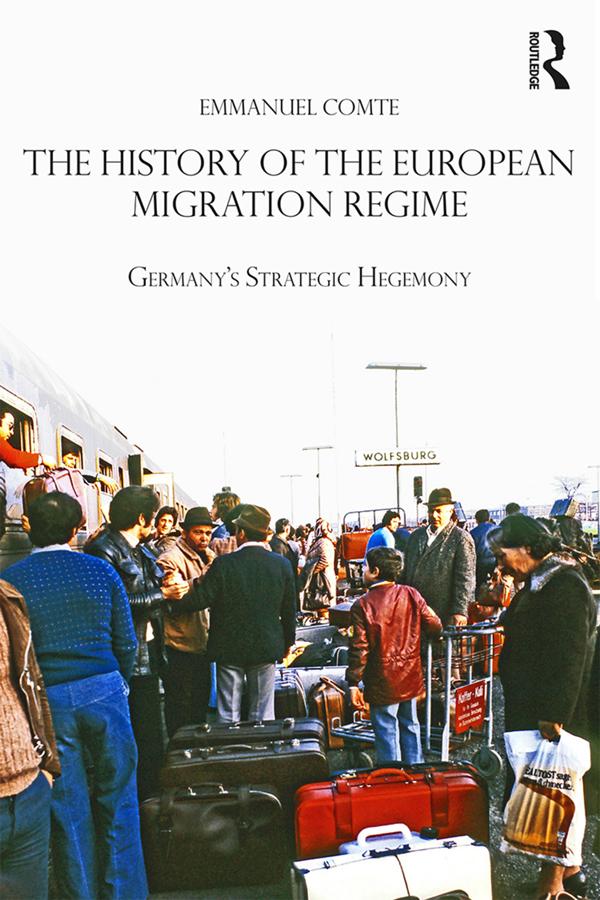
After the Second World War, the international migration regime in Europe took a course different from the global migration regime and the migration regimes in other regions of the world. Cumbersome and arbitrary administrative practices prevailed in the late 1940s in most parts of Europe. The gradual implementation of regulations for the free movement of people within the European Community, European citizenship, and the internal and external dimensions of the Schengen agreements profoundly transformed the European migration regime. These instruments produced a regional regime in Europe with an unparalleled degree of intraregional openness and an unparalleled degree of closure towards migrants from outside Europe. This book relies on national and international archives to explain how German strategies during the Cold War shaped the openness of that original regime. This migration regime helped Germany to create a stable international order in Western Europe after the war, conducive to German Reunification and supported German economic expansion. The book embraces the whole period of development of this regime, from 1947 through 1992. It deals with all types of migrants between and towards European countries: unskilled labourers, skilled professionals, self-employed workers, and migrant workers’ family members, examining both their access to economic activity and their social and political rights.
Paga fácilmente con tarjeta, Klarna, Apple Pay o Google Pay. ¿No estás contento? Siempre tienes 14 días de garantía de devolución. Lee más en nuestros términos. Si tienes preguntas, escríbenos a hello@memmo.org.
Memmo hace que estudiar sea más fácil, estés donde estés. Aquí tienes tus libros de texto y herramientas de estudio inteligentes en un solo lugar: resúmenes, quizzes, podcasts y flashcards. Y también a Ted, tu compañero de estudio que responde a todo lo que te preguntes. Más de 50 000 estudiantes ya estudian aquí. Está hecho para que aprendas más rápido y te estreses menos.