
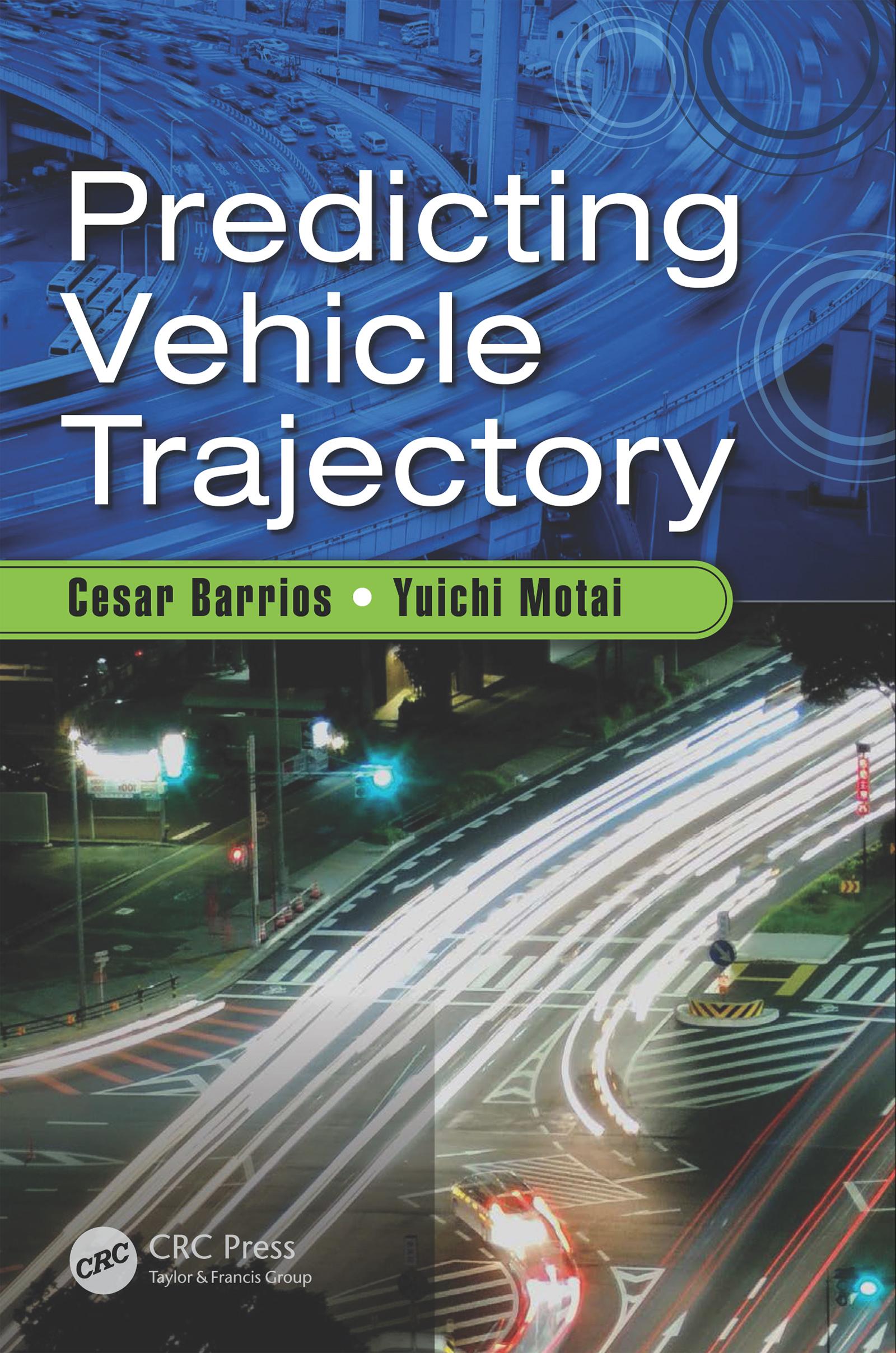
This book concentrates on improving the prediction of a vehicle’s future trajectory, particularly on non-straight paths. Having an accurate prediction of where a vehicle is heading is crucial for the system to reliably determine possible path intersections of more than one vehicle at the same time. The US DOT will be mandating that all vehicle manufacturers begin implementing V2V and V2I systems, so very soon collision avoidance systems will no longer rely on line of sight sensors, but instead will be able to take into account another vehicle’s spatial movements to determine if the future trajectories of the vehicles will intersect at the same time. Furthermore, the book introduces the reader to some improvements when predicting the future trajectory of a vehicle and presents a novel temporary solution on how to speed up the implementation of such V2V collision avoidance systems. Additionally, it evaluates whether smartphones can be used for trajectory predictions, in an attempt to populate a V2V collision avoidance system faster than a vehicle manufacturer can.
Paga fácilmente con tarjeta, Klarna, Apple Pay o Google Pay. ¿No estás contento? Siempre tienes 14 días de garantía de devolución. Lee más en nuestros términos. Si tienes preguntas, escríbenos a hello@memmo.org.
Memmo hace que estudiar sea más fácil, estés donde estés. Aquí tienes tus libros de texto y herramientas de estudio inteligentes en un solo lugar: resúmenes, quizzes, podcasts y flashcards. Y también a Ted, tu compañero de estudio que responde a todo lo que te preguntes. Más de 50 000 estudiantes ya estudian aquí. Está hecho para que aprendas más rápido y te estreses menos.