
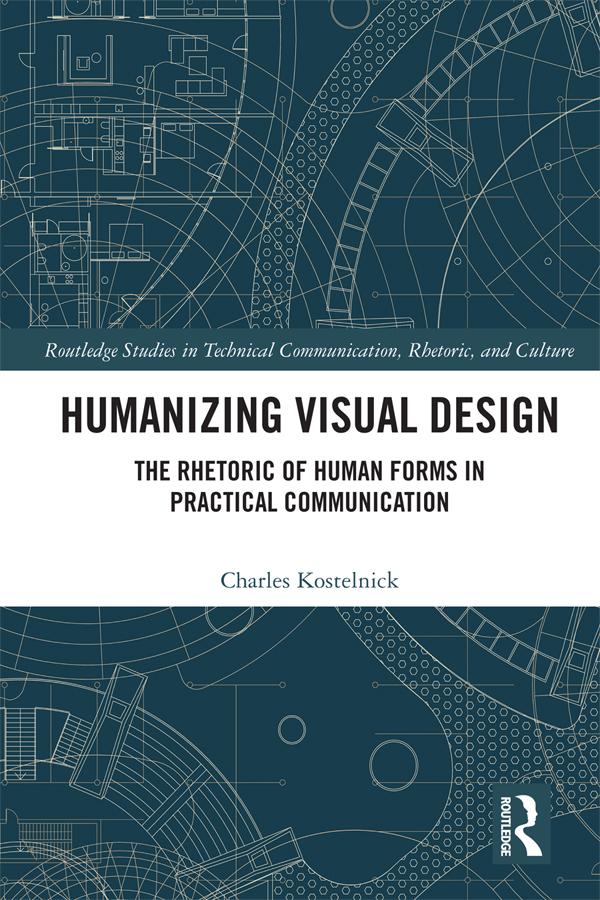
This book analyzes the role that human forms play in visualizing practical information and in making that information understandable, accessible, inviting, and meaningful to readers—in short, "humanizing" it.
Although human figures have long been deployed in practical communication, their uses in this context have received little systematic analysis. Drawing on rhetorical theory, art history, design studies, and historical and contemporary examples, the book explores the many rhetorical purposes that human forms play in functional pictures, including empowering readers, narrating processes, invoking social and cultural identities, fostering pathos appeals, and visualizing data.
The book is aimed at scholars, teachers, and practitioners in business, technical, and professional communication as well as an interdisciplinary audience in rhetoric, art and design, journalism, engineering, marketing, science, and history.
Paga fácilmente con tarjeta, Klarna, Apple Pay o Google Pay. ¿No estás contento? Siempre tienes 14 días de garantía de devolución. Lee más en nuestros términos. Si tienes preguntas, escríbenos a hello@memmo.org.
Memmo hace que estudiar sea más fácil, estés donde estés. Aquí tienes tus libros de texto y herramientas de estudio inteligentes en un solo lugar: resúmenes, quizzes, podcasts y flashcards. Y también a Ted, tu compañero de estudio que responde a todo lo que te preguntes. Más de 50 000 estudiantes ya estudian aquí. Está hecho para que aprendas más rápido y te estreses menos.