
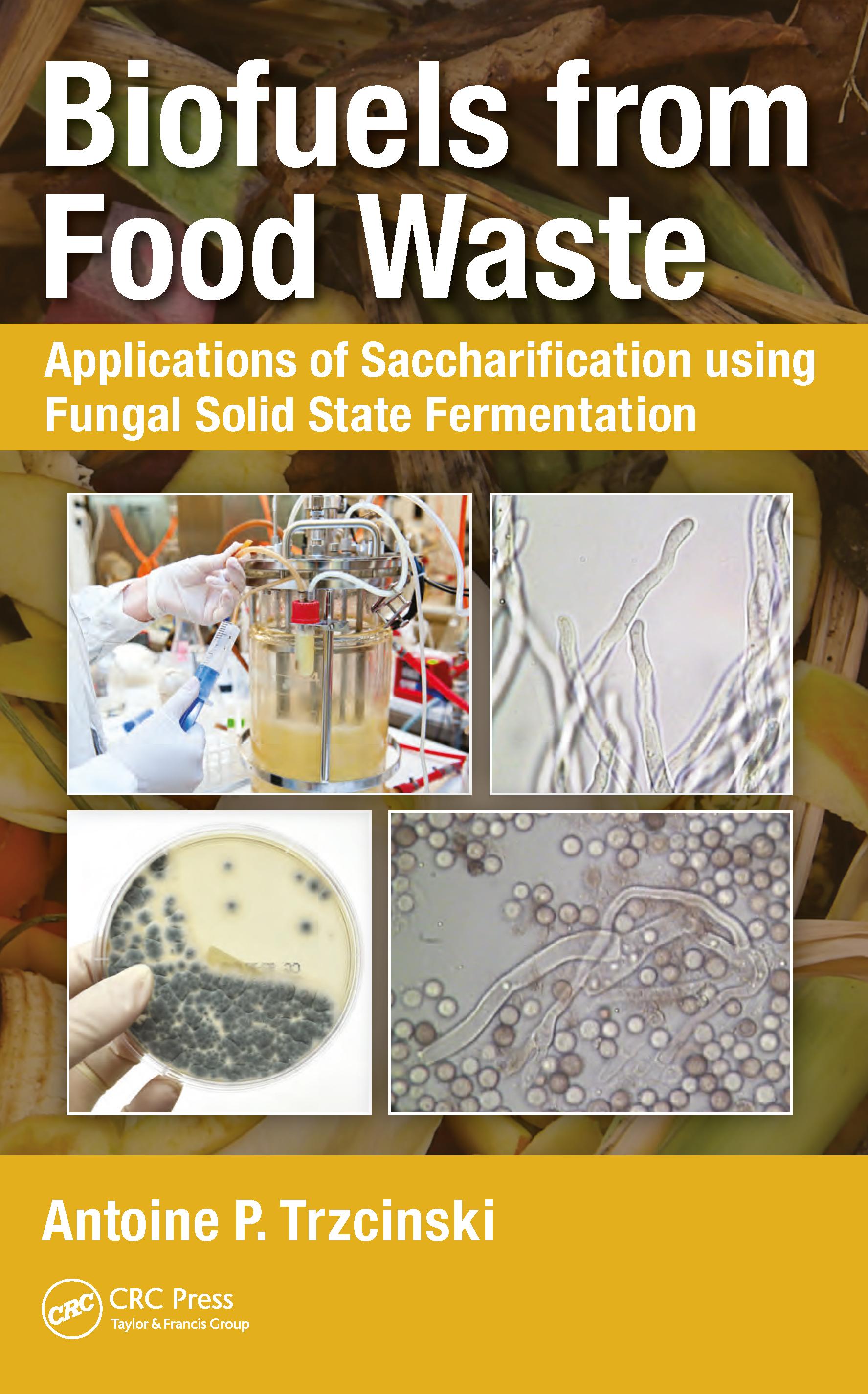
According to the UN's Food & Agricultural Organization (FAO), one third of food produced globally for human consumption (nearly 1.3 billion tons) is lost annually. Food waste has often been incinerated with other combustible municipal wastes for possible recovery of heat or other forms of energy, however, incineration is not cost-effective, and can cause air pollution. Due to its organics- and nutrient-rich nature, food waste could be viewed as a useful resource for production of high-value platform chemicals through fermentation. This book examines the bioconversion of food wastes to energy and the recent developments in ethanol, hydrogen, methane, and biodiesel production from food wastes.
Paga fácilmente con tarjeta, Klarna, Apple Pay o Google Pay. ¿No estás contento? Siempre tienes 14 días de garantía de devolución. Lee más en nuestros términos. Si tienes preguntas, escríbenos a hello@memmo.org.
Memmo hace que estudiar sea más fácil, estés donde estés. Aquí tienes tus libros de texto y herramientas de estudio inteligentes en un solo lugar: resúmenes, quizzes, podcasts y flashcards. Y también a Ted, tu compañero de estudio que responde a todo lo que te preguntes. Más de 50 000 estudiantes ya estudian aquí. Está hecho para que aprendas más rápido y te estreses menos.