
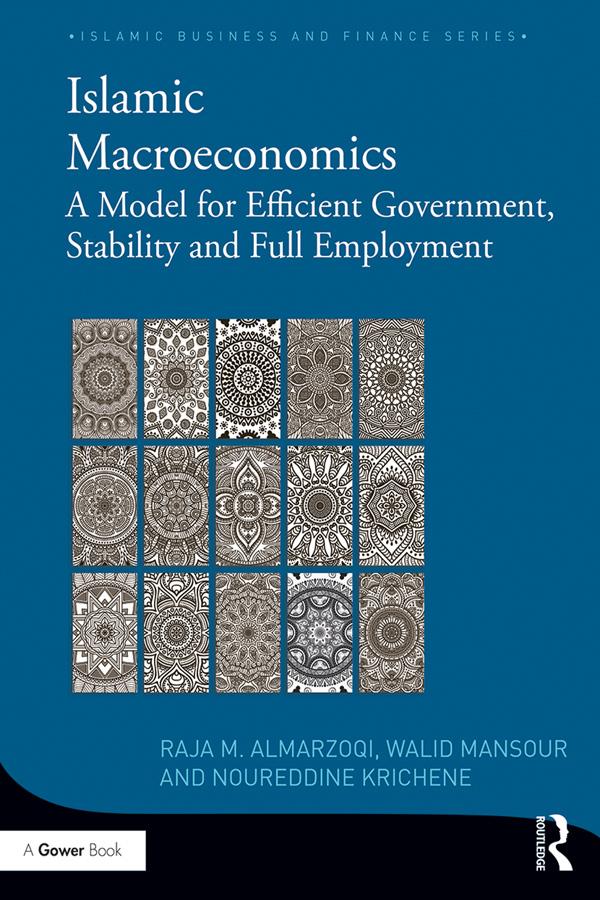
Islamic Macroeconomics proposes an Islamic model that offers significant prospects for economic growth and durable macroeconomic stability, and which is immune to the defects of the economic models prevailing both in developed and developing countries. An Islamic model advocates a limited government confined to its natural duties of defence, justice, education, health, infrastructure, regulation, and welfare of the vulnerable population. It prohibits interest-based debt and money, and requires full liberalization of all markets including labor, financial, commodity, trade, and foreign exchange markets. The government should be Sharia-compliant in its taxation power and regulatory intervention; it ought to reduce unproductive spending in favor of productive spending.
This book is essential reading for students and academics of Islamic economics and finance, economists, practitioners, and researchers.
Paga fácilmente con tarjeta, Klarna, Apple Pay o Google Pay. ¿No estás contento? Siempre tienes 14 días de garantía de devolución. Lee más en nuestros términos. Si tienes preguntas, escríbenos a hello@memmo.org.
Memmo hace que estudiar sea más fácil, estés donde estés. Aquí tienes tus libros de texto y herramientas de estudio inteligentes en un solo lugar: resúmenes, quizzes, podcasts y flashcards. Y también a Ted, tu compañero de estudio que responde a todo lo que te preguntes. Más de 50 000 estudiantes ya estudian aquí. Está hecho para que aprendas más rápido y te estreses menos.