
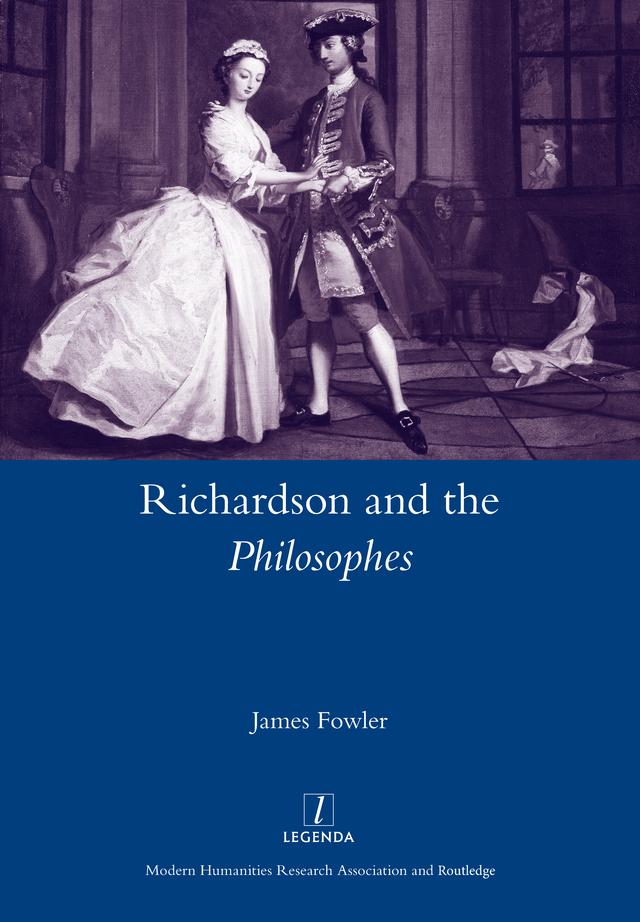
In mid-eighteenth-century Europe, a taste for sentiment accompanied the 'rise of the novel', and the success of Samuel Richardson (1689-1761) played a vital role in this. James Fowler's new study is the first to compare the response of the most famous philosophes to the Richardson phenomenon. Voltaire, who claims to despise the novel, writes four 'Richardsonian' fictions; Diderot's fascination with the English author is expressed in La Religieuse, Rousseau's in Julie - the century's bestseller. Yet the philosophes' response remains ambivalent. On the one hand they admire Richardson's ability to make the reader weep. On the other, they champion a range of Enlightenment beliefs which he, an enthusiast of Milton, vehemently opposed. In death as in life, the English author exacerbates the philosophes' rivalry. The eulogy which Diderot writes in 1761 implicitly asks: who can write a new Clarissa? But also: whose social, philosophical or political ideas will triumph as a result?
Páginas: 185
Categoría: Litteraturvetenskap & Teori
e-ISBN: 9781351550802
Peso de envío: 1.2 kg
Envío en: 1-2 días
Paga fácilmente con tarjeta, Klarna, Apple Pay o Google Pay. ¿No estás contento? Siempre tienes 14 días de garantía de devolución. Lee más en nuestros términos. Si tienes preguntas, escríbenos a hello@memmo.org.
Memmo hace que estudiar sea más fácil, estés donde estés. Aquí tienes tus libros de texto y herramientas de estudio inteligentes en un solo lugar: resúmenes, quizzes, podcasts y flashcards. Y también a Ted, tu compañero de estudio que responde a todo lo que te preguntes. Más de 50 000 estudiantes ya estudian aquí. Está hecho para que aprendas más rápido y te estreses menos.
También te podría gustar
Comprar el libro0