
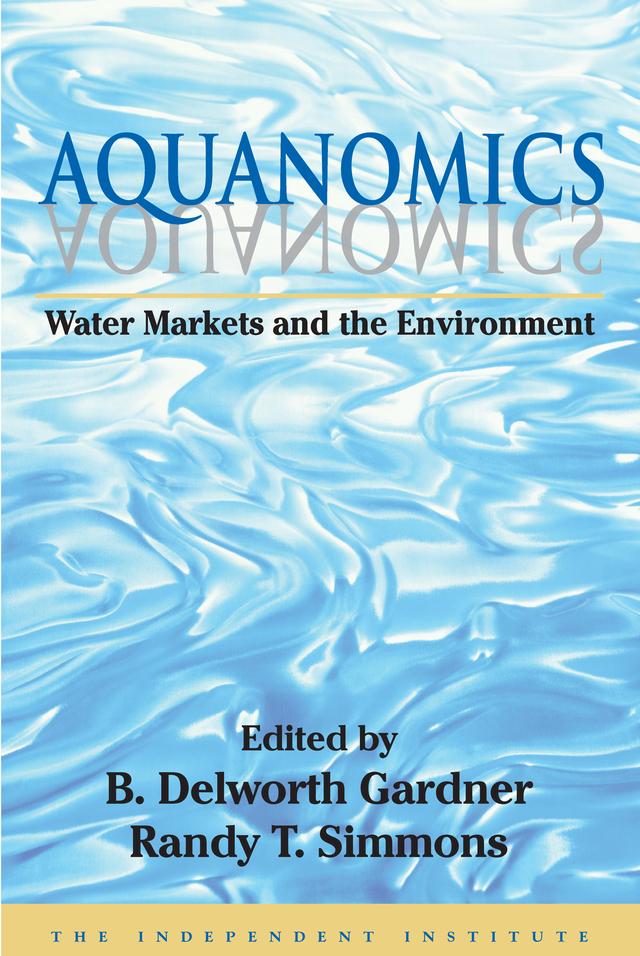
Water is becoming increasingly scarce. If recent usage trends continue, shortages are inevitable. Aquanomics discusses some of the instruments and policies that may be implemented to postpone, or even avoid, the onset of water crises. These policies include establishing secure and transferable private water rights and extending these rights to uses that traditionally have not been allowed, including altering in-stream flows and ecosystem functions. The editors argue that such policies will help maximize water quantity and quality as water becomes scarcer and more valuable. Aquanomics contains many examples of how this is being accomplished, particularly in the formation of water markets and market-like exchanges of water rights.Many observers see calamity ahead unless water supplies are harnessed and effectively conserved, and unless water quality can be improved. It is also clear that declining water quality is a serious problem in much of the world, as increasing human activities induce high levels of water degradation. Those who voice these concerns, argue the contributors to this volume, fail to consider the forces for improvement inherent in market political-economic systems that can address water issues. The contributors see water quality in economically advanced countries as improving, and they believe this establishes the validity of market-based approaches.
Paga fácilmente con tarjeta, Klarna, Apple Pay o Google Pay. ¿No estás contento? Siempre tienes 14 días de garantía de devolución. Lee más en nuestros términos. Si tienes preguntas, escríbenos a hello@memmo.org.
Memmo hace que estudiar sea más fácil, estés donde estés. Aquí tienes tus libros de texto y herramientas de estudio inteligentes en un solo lugar: resúmenes, quizzes, podcasts y flashcards. Y también a Ted, tu compañero de estudio que responde a todo lo que te preguntes. Más de 50 000 estudiantes ya estudian aquí. Está hecho para que aprendas más rápido y te estreses menos.
También te podría gustar
Comprar el libro0