
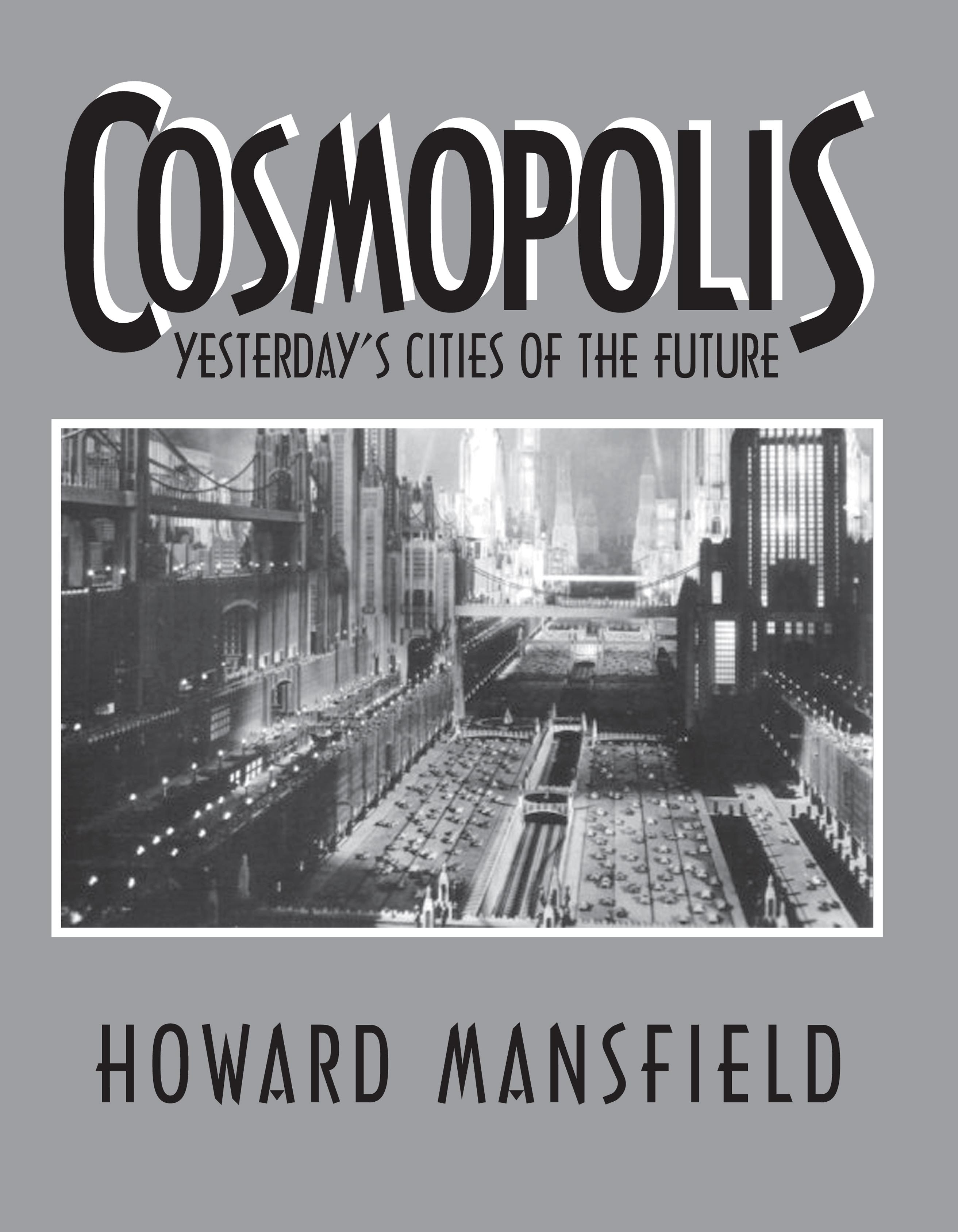
The twentieth century saw a grand procession of promises for the city. The great modern architect Le Corbusier dictated cities of glittering white towers planted in green parks, Frank Lloyd proposed cities with no downtown, cities spread across the countryside with each family on its homestead, and skyscraper utopians of the 1920s promised paradise on the one-hundredth floor with our airplane hangared next door.
One thing was sure: the city of tomorrow would put to shame the city of yesterday. Another thing was certain, too: we would be happier, more peaceful (and productive) people. Here is Le Corbusier: "Free, man tends to geometry." And if we followed the "radiant harmony" of his geometry, the world’s cities could become "irresistible forces stimulating collective enthusiasm, collective action, and general joy and pride, and inconsequence individual happiness everywhere . . . the modern world would emerge . . . and would beam around, powerful, happy, believing."
There were others who promised deliverance through their brands of architecture: the right angle, the curvilinear road in the park, the tower of glass. Each fervently preached that his was the magic geometry that, like tumblers on a lock, would open the way to the good life. Cosmopolis is a pattern book of expectations, generously illustrated with a gathering of plans from the City Beautiful to the Italian Futurists, The Cité Industrielle, World’s Fair utopias, science fiction visions, and the grand plans of the Moderns. Cosmopolis is the story of the ideal city we never achieved, and the great plans that went into making-over precincts of our urban language.
Paga fácilmente con tarjeta, Klarna, Apple Pay o Google Pay. ¿No estás contento? Siempre tienes 14 días de garantía de devolución. Lee más en nuestros términos. Si tienes preguntas, escríbenos a hello@memmo.org.
Memmo hace que estudiar sea más fácil, estés donde estés. Aquí tienes tus libros de texto y herramientas de estudio inteligentes en un solo lugar: resúmenes, quizzes, podcasts y flashcards. Y también a Ted, tu compañero de estudio que responde a todo lo que te preguntes. Más de 50 000 estudiantes ya estudian aquí. Está hecho para que aprendas más rápido y te estreses menos.