
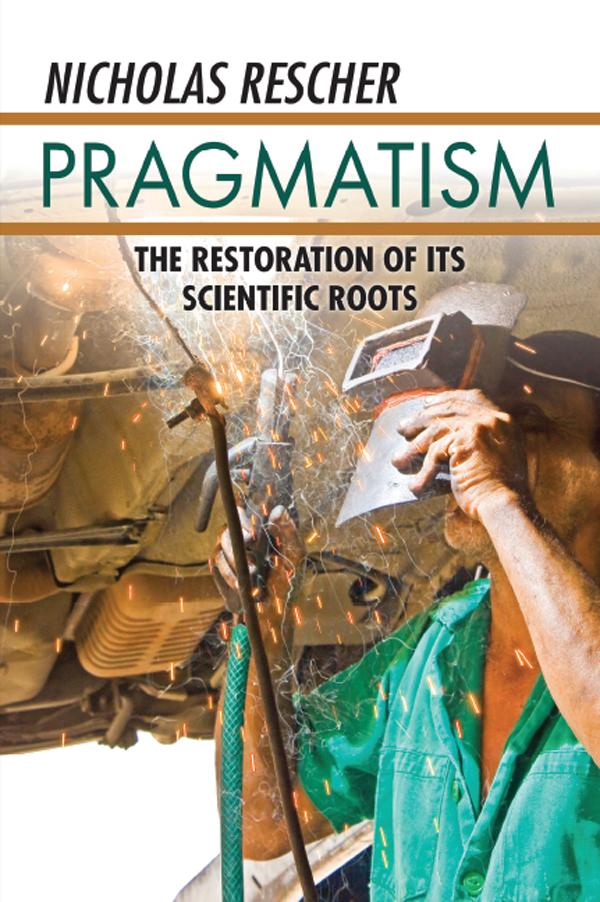
Pragmatism is rooted in the linking of practice and theory. It describes a process where theory is extracted from practice, and applied back to practice to form what is called intelligent practice. Pragmatism was intended, by Charles S. Peirce, its founder, as a doctrine for the rational substantiation of knowledge claims. For Peirce, what mattered was successful prediction and control. Practice was to serve as the arbiter of theory. Objective efficacy, not personal satisfaction, is what matters for fixing opinion in a community of rational inquirers.According to Nicholas Rescher, later pragmatists saw the matter differently. They envisioned subjective satisfactions, rather than objectively determinable functional effectiveness, as being the aim of the enterprise. Rescher notes that William James, in particular, had an agenda different from that of Peirce.The two pragmatisms are complete opposites, Rescher argues, in terms of claims and intentions. James's soft pragmatism abandons the classical idea of inquiry as the paramount of truth; it believes that truth is an illusion, an unrealizable figment of the imagination. By contrast, Peirce's hard pragmatism believes that the classic idea of truth remains valid. Rescher seeks to examine and explore pragmatism dialectically, with a conviction that brings pragmatism to life for specialist and generalist alike.
Paga fácilmente con tarjeta, Klarna, Apple Pay o Google Pay. ¿No estás contento? Siempre tienes 14 días de garantía de devolución. Lee más en nuestros términos. Si tienes preguntas, escríbenos a hello@memmo.org.
Memmo hace que estudiar sea más fácil, estés donde estés. Aquí tienes tus libros de texto y herramientas de estudio inteligentes en un solo lugar: resúmenes, quizzes, podcasts y flashcards. Y también a Ted, tu compañero de estudio que responde a todo lo que te preguntes. Más de 50 000 estudiantes ya estudian aquí. Está hecho para que aprendas más rápido y te estreses menos.
También te podría gustar
Comprar el libro0