
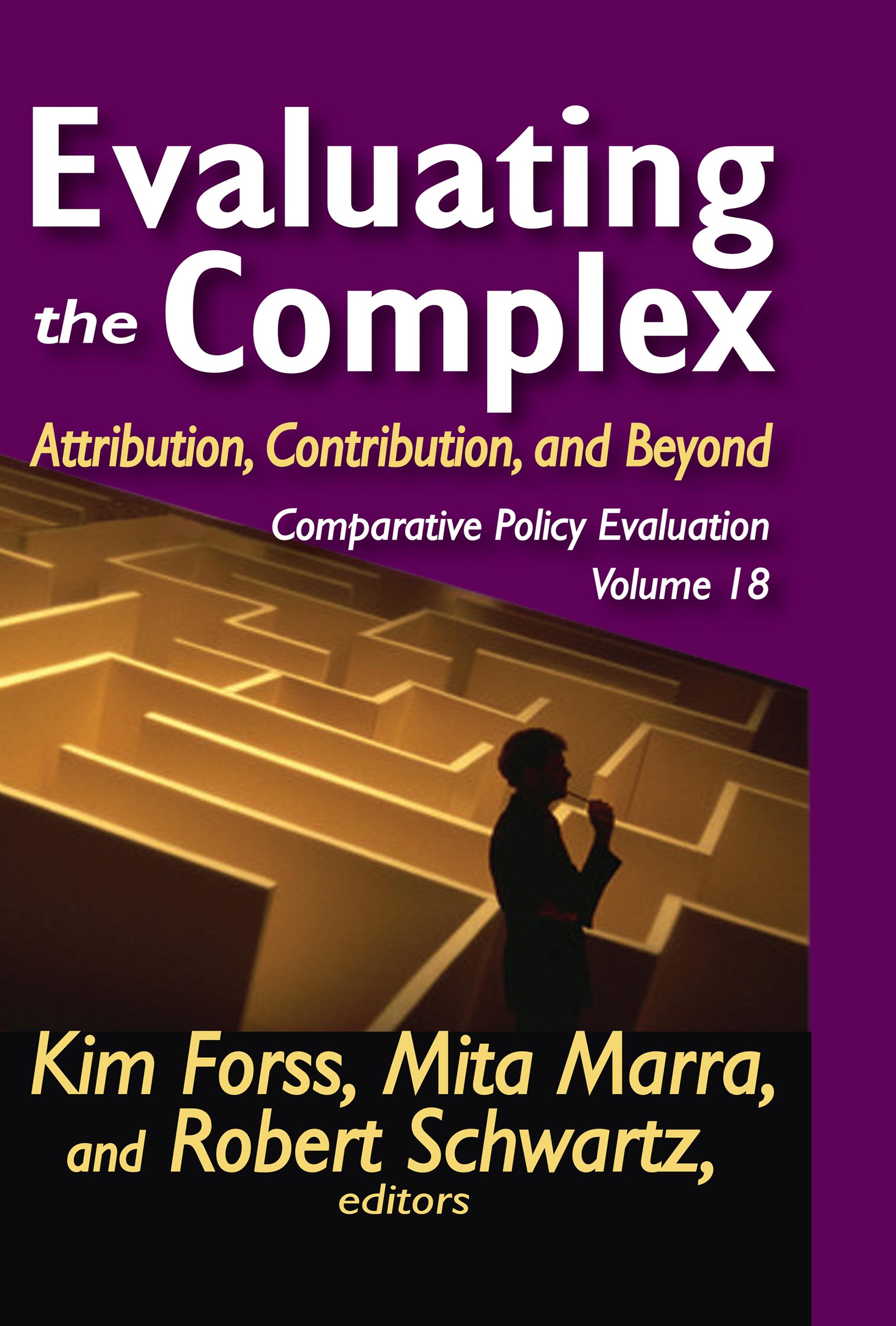
In the economic atmosphere following the crisis of 2008, not only have governments reacted by creating more complex policy initiatives, but they have also promised that all of these initiatives will be evaluated. Due to the complexity of many of the initiatives, the ways of evaluating are becoming equally complex.
The book begins with a theoretical and conceptual explanation of the process and shows how this translates into the practice of evaluation. The chapters cover a wide variety of subjects, such as poverty, homelessness, smoking prevention, HIV/AIDS, and child labor. The use of case studies sheds light on the conceptual ideas at work in organizations addressing some of the world's largest and most varied problems.
The evaluation process seeks a balance between order and chaos. The interaction of four elements—simplicity, inventiveness, flexibility, and specificity—allows complex patterns to emerge. The case studies illustrate this framework and provide a number of examples of practical management of complexity, in light of contingency theories of the evaluation process itself. These theories in turn match the complexity of evaluated policies, strategies, and programs. The evaluation process is examined for its impact on policy outcomes and choices.
Paga fácilmente con tarjeta, Klarna, Apple Pay o Google Pay. ¿No estás contento? Siempre tienes 14 días de garantía de devolución. Lee más en nuestros términos. Si tienes preguntas, escríbenos a hello@memmo.org.
Memmo hace que estudiar sea más fácil, estés donde estés. Aquí tienes tus libros de texto y herramientas de estudio inteligentes en un solo lugar: resúmenes, quizzes, podcasts y flashcards. Y también a Ted, tu compañero de estudio que responde a todo lo que te preguntes. Más de 50 000 estudiantes ya estudian aquí. Está hecho para que aprendas más rápido y te estreses menos.