
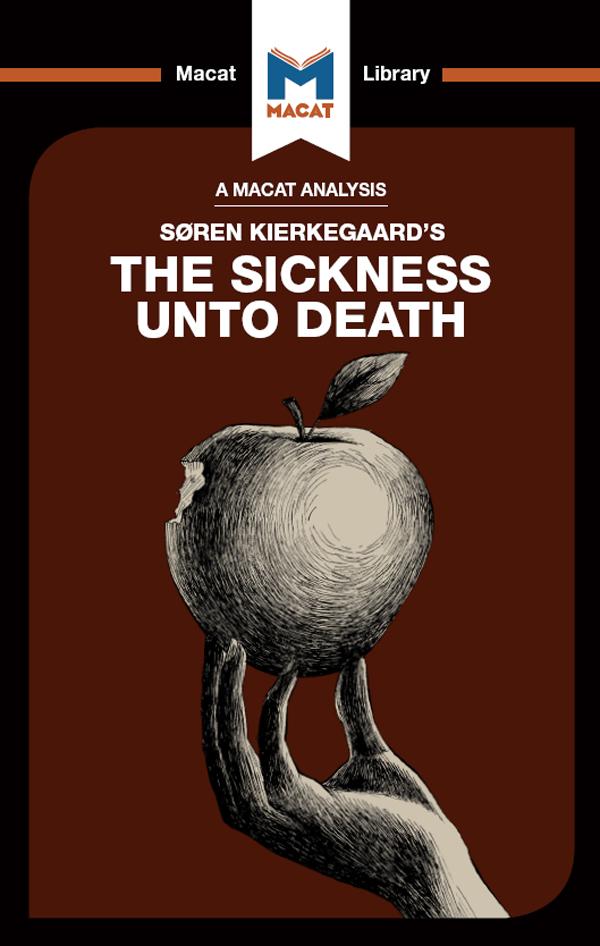
Søren Kierkegaard’s The Sickness unto Death is widely recognized as one of the most significant and influential works of Christian philosophy written in the nineteenth century. One of the cornerstones of Kierkegaard’s reputation as a writer and thinker, the book is also a masterclass in the art of interpretation. In critical thinking, interpretation is all about defining and clarifying terms – making sure that everyone is on the same page. But it can also be about redefining terms: showing old concepts in a new light by interpreting them in a certain way. This skill is at the heart of The Sickness unto Death.
Kierkegaard’s book focuses on the meaning of “despair” – the sickness named in the title. For Kierkegaard, the key problem of existence was an individual’s relationship with God, and he defines true despair as equating to the idea of sin – something that separates people from God, or from the idea of a higher standard beyond ourselves. Kierkegaard’s interpretative journey into the ideas of despair, sin and death is a Christian exploration of the place of the individual in the world. But its interpretative skills inspired generations of philosophers of all stripes – including notorious atheists like Jean-Paul Sartre.
Paga fácilmente con tarjeta, Klarna, Apple Pay o Google Pay. ¿No estás contento? Siempre tienes 14 días de garantía de devolución. Lee más en nuestros términos. Si tienes preguntas, escríbenos a hello@memmo.org.
Memmo hace que estudiar sea más fácil, estés donde estés. Aquí tienes tus libros de texto y herramientas de estudio inteligentes en un solo lugar: resúmenes, quizzes, podcasts y flashcards. Y también a Ted, tu compañero de estudio que responde a todo lo que te preguntes. Más de 50 000 estudiantes ya estudian aquí. Está hecho para que aprendas más rápido y te estreses menos.