
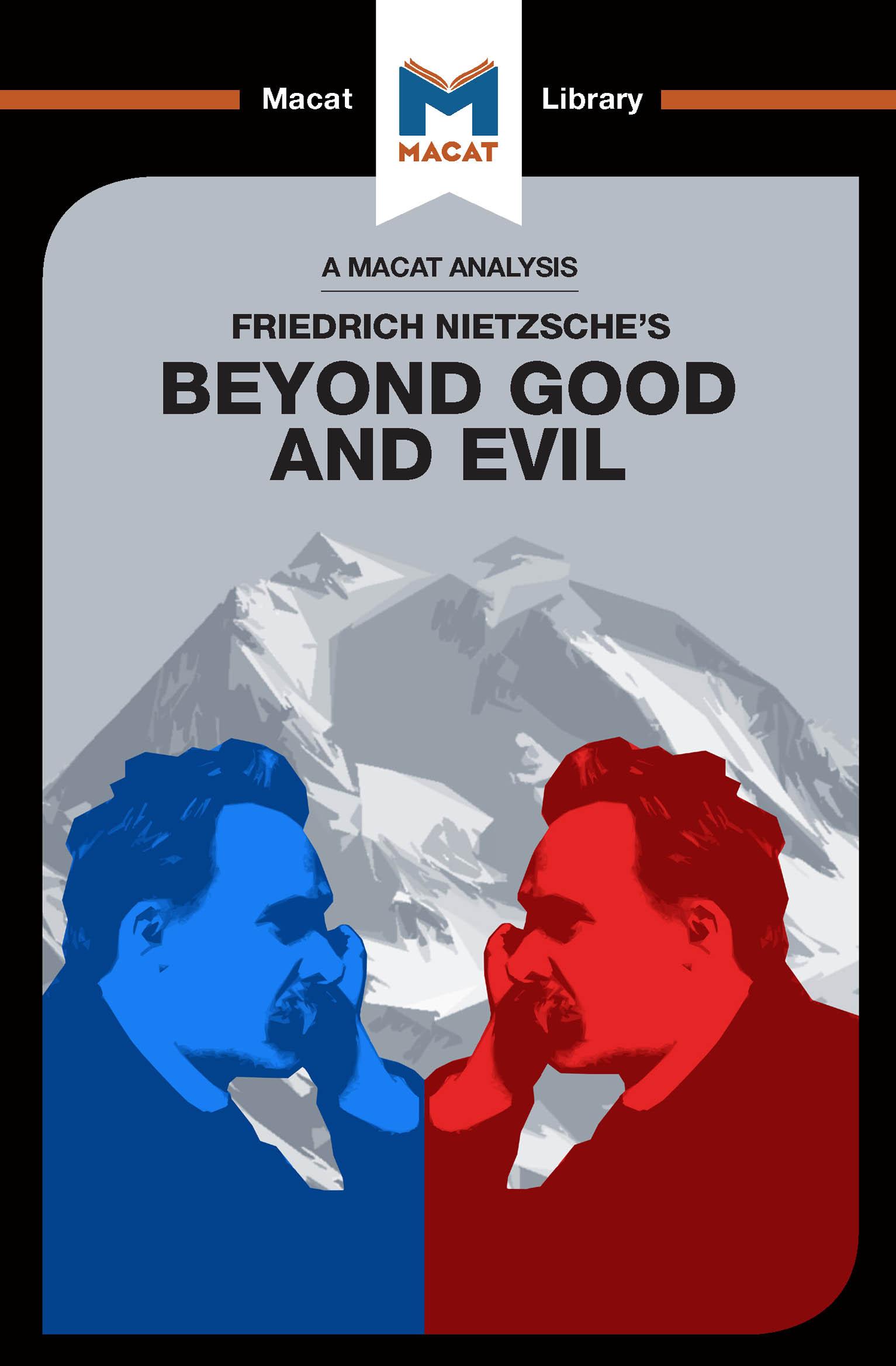
No philosopher could be a better example of creative thinking in action than Friedrich Nietzsche: a German iconoclast who systematically attacked the traditionally accepted views of academic philosophers, seeking to tear down their rickety platform and replace it with a platform of his own. Creative thinkers are people who redefine issues and topics in novel ways to create novel connections, explanations and hypotheses – people, in short, who can turn a topic on its head and present it in an entirely new light. Nietzsche called them “free spirits” – those unwilling to accept the dogmas of the past, wanting instead to think clearly for themselves.
In Beyond Good and Evil, Nietzsche focuses his attention on nothing less than the underlying basis of our moral assumptions, unleashing a powerful, polemical critique of the moral dogmas of the past and his own time. His book, which remains one of the most influential works of moral philosophy ever written, is not just an example of creative thinking at work, it is also a passionate argument for its importance. As Nietzsche wrote, “Morality in Europe … is the morality of herd animals.” But if one is ready to think differently and stand out from the herd, “other (and especially higher) moralities are … possible.”
Paga fácilmente con tarjeta, Klarna, Apple Pay o Google Pay. ¿No estás contento? Siempre tienes 14 días de garantía de devolución. Lee más en nuestros términos. Si tienes preguntas, escríbenos a hello@memmo.org.
Memmo hace que estudiar sea más fácil, estés donde estés. Aquí tienes tus libros de texto y herramientas de estudio inteligentes en un solo lugar: resúmenes, quizzes, podcasts y flashcards. Y también a Ted, tu compañero de estudio que responde a todo lo que te preguntes. Más de 50 000 estudiantes ya estudian aquí. Está hecho para que aprendas más rápido y te estreses menos.