
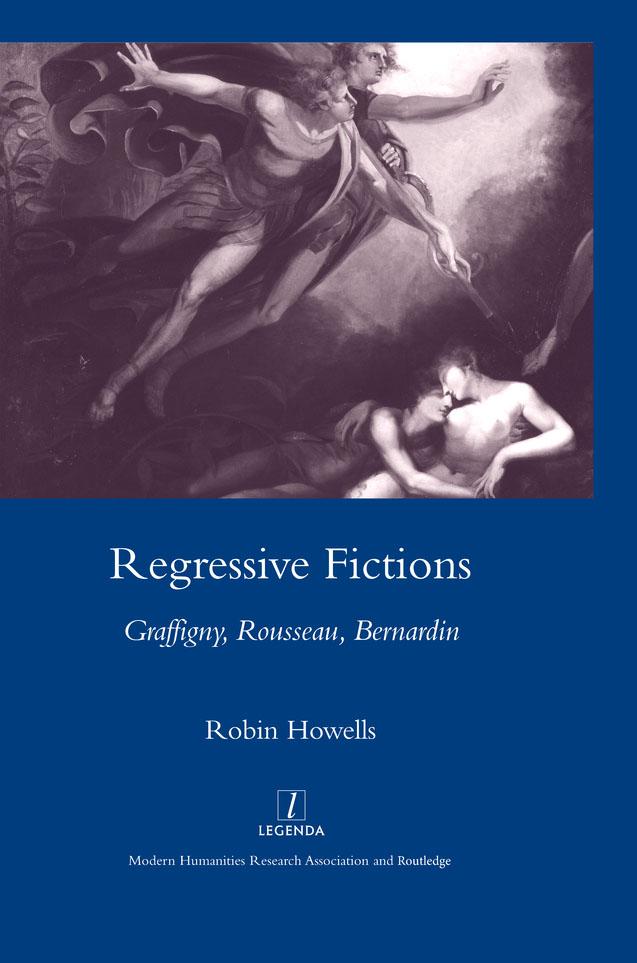
"In a cultural shift around the mid-point of the French eighteenth century, the mode of wit is increasingly displaced by bourgeois pathos. Social sophistication and sexual experience are rejected in favour of a retreat into ideal imagination. Instead of the novel of worldliness, we encounter fictions of better worlds: original, natural, familial, innocent and harmonious, protected against reality and time. The regressive shift is traced in this study in general terms, and then through detailed analysis of three of the best-selling novels of the period. The turning-point is represented by Mme de Graffignys Lettres dune Peruvienne (1747, 1752) with its profound ambivalence towards knowledge. A new order is revealed and set out, but still declared lacking, in Rousseaus Julie, ou la Nouvelle Heloise (1761). The visionary return to the organic wholeness of nature is offered by Bernardins Paul et Virginie (1788)."
Paga fácilmente con tarjeta, Klarna, Apple Pay o Google Pay. ¿No estás contento? Siempre tienes 14 días de garantía de devolución. Lee más en nuestros términos. Si tienes preguntas, escríbenos a hello@memmo.org.
Memmo hace que estudiar sea más fácil, estés donde estés. Aquí tienes tus libros de texto y herramientas de estudio inteligentes en un solo lugar: resúmenes, quizzes, podcasts y flashcards. Y también a Ted, tu compañero de estudio que responde a todo lo que te preguntes. Más de 50 000 estudiantes ya estudian aquí. Está hecho para que aprendas más rápido y te estreses menos.
También te podría gustar
Comprar el libro0