
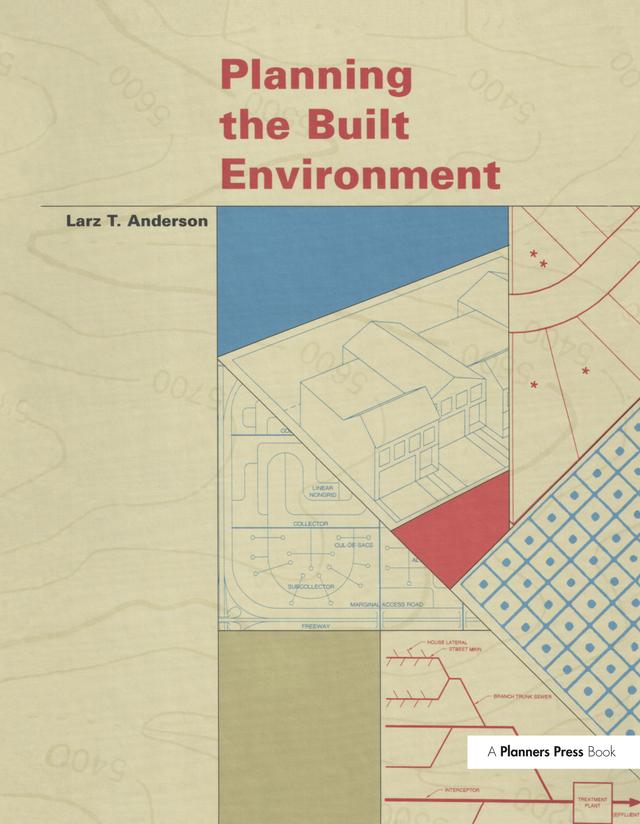
Planning the Built Environment takes a systematic, technical approach to describing how urban infrastructures work. Accompanied by detailed diagrams, illustrations, tables, and reference lists, the book begins with landforms and progresses to essential utilities that manage drainage, wastewater, power, and water supply. A section on streets, highways, and transit systems is highly detailed and practical.
Once firmly grounded in these "macro" systems, Planning the Built Environment examines the physical environments of cities and suburbs, including a discussion of critical elements such as street and subdivision planning, density, and siting of community facilities.
Each chapter includes essential definitions, illustrations and diagrams, and an annotated list of references. This timely book explains new physical planning methods and current thinking on cluster development, new urbanism, and innovative transit planning and development.
Planners, architects, engineers, and anyone who designs or manages the physical components of urban areas will find this book both an authoritative reference and an exhaustive, understandable technical manual of facts and best practices. Instructors in planning and allied fields will appreciate the practical exercises that conclude each chapter: valuable learning tools for students and professionals alike.
Paga fácilmente con tarjeta, Klarna, Apple Pay o Google Pay. ¿No estás contento? Siempre tienes 14 días de garantía de devolución. Lee más en nuestros términos. Si tienes preguntas, escríbenos a hello@memmo.org.
Memmo hace que estudiar sea más fácil, estés donde estés. Aquí tienes tus libros de texto y herramientas de estudio inteligentes en un solo lugar: resúmenes, quizzes, podcasts y flashcards. Y también a Ted, tu compañero de estudio que responde a todo lo que te preguntes. Más de 50 000 estudiantes ya estudian aquí. Está hecho para que aprendas más rápido y te estreses menos.