
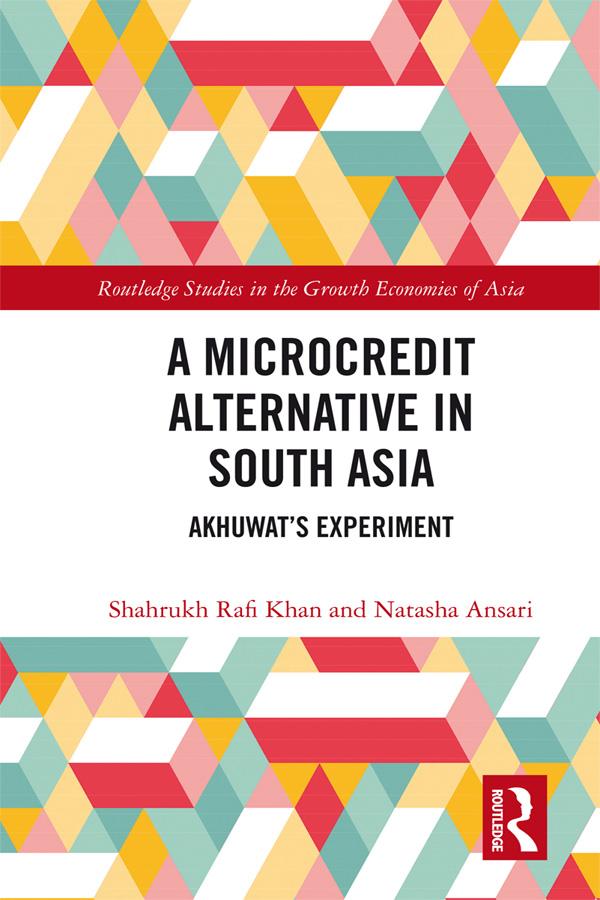
Microcredit took the development world by storm as a tool for poverty alleviation in the 1980s. After being hailed as a panacea, a few decades on it started being forcefully criticised based on its practice.
This book explores Akhuwat (literally brotherhood), a rapidly growing Pakistani NGO formed in 2001, which addresses the shortcomings of conventional microfinance. Its vision is of a society built on empathy and social solidarity and its mission is that of creating self-sufficiency among the entrepreneurial poor. This book examines whether Akhuwat fulfils its promises of not pushing loans or encouraging clients to get on a debt treadmill and helping them to avoid high debt burdens by charging no interest and easing repayment terms. Conventional microcredit organizations are criticised for losing sight of the original mission of poverty alleviation by engaging in empire building and Akhuwat’s goal is to avoid this by embracing an alternative strategy of scaling up. Finally, this book also analyses Akhuwat’s approach as being gender sensitive and embracing all religions, castes and ethnicities.
Based on fieldwork designed to assess if Akhuwat is the microcredit alternative it claims to be, this book will be of interest to scholars of poverty and development studies in general and microcredit in particular.
Paga fácilmente con tarjeta, Klarna, Apple Pay o Google Pay. ¿No estás contento? Siempre tienes 14 días de garantía de devolución. Lee más en nuestros términos. Si tienes preguntas, escríbenos a hello@memmo.org.
Memmo hace que estudiar sea más fácil, estés donde estés. Aquí tienes tus libros de texto y herramientas de estudio inteligentes en un solo lugar: resúmenes, quizzes, podcasts y flashcards. Y también a Ted, tu compañero de estudio que responde a todo lo que te preguntes. Más de 50 000 estudiantes ya estudian aquí. Está hecho para que aprendas más rápido y te estreses menos.