
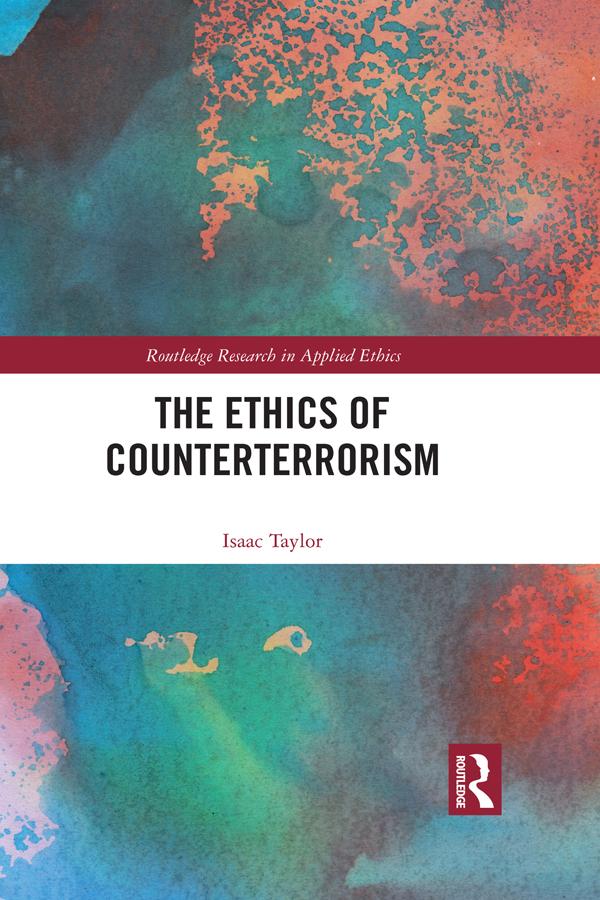
States across the globe spend billions of dollars fighting terrorism annually. As well as strategic questions about the way in which the money should be spent, we are also confronted with a host of moral issues here, many of which are poorly understood. The Ethics of Counterterrorism offers the first systematic normative theory for guiding, assessing, and criticising counterterrorist policy.
Many commentators claim that state actors combating terrorism should set aside ordinary moral and legal frameworks, and instead bind themselves by a different (and, generally, more permissive) set of ethical rules than is appropriate in other areas. The book assesses arguments for this view, and more specifically investigates whether widely-endorsed restrictions on state action in the areas of surveillance, policing, armed conflict, criminal justice, diplomacy, and cultural integration need to be weakened when we are confronted with terrorist threats. With its novel overall framework for assessing counterterrorist strategies, its comprehensive analysis of existing practices, and its bringing the tools of analytic philosophy to bear on new questions regarding how states can fight terrorism both effectively and morally, The Ethics of Counterterrorism promises to be an important point of reference for future debates in this area.
Paga fácilmente con tarjeta, Klarna, Apple Pay o Google Pay. ¿No estás contento? Siempre tienes 14 días de garantía de devolución. Lee más en nuestros términos. Si tienes preguntas, escríbenos a hello@memmo.org.
Memmo hace que estudiar sea más fácil, estés donde estés. Aquí tienes tus libros de texto y herramientas de estudio inteligentes en un solo lugar: resúmenes, quizzes, podcasts y flashcards. Y también a Ted, tu compañero de estudio que responde a todo lo que te preguntes. Más de 50 000 estudiantes ya estudian aquí. Está hecho para que aprendas más rápido y te estreses menos.