
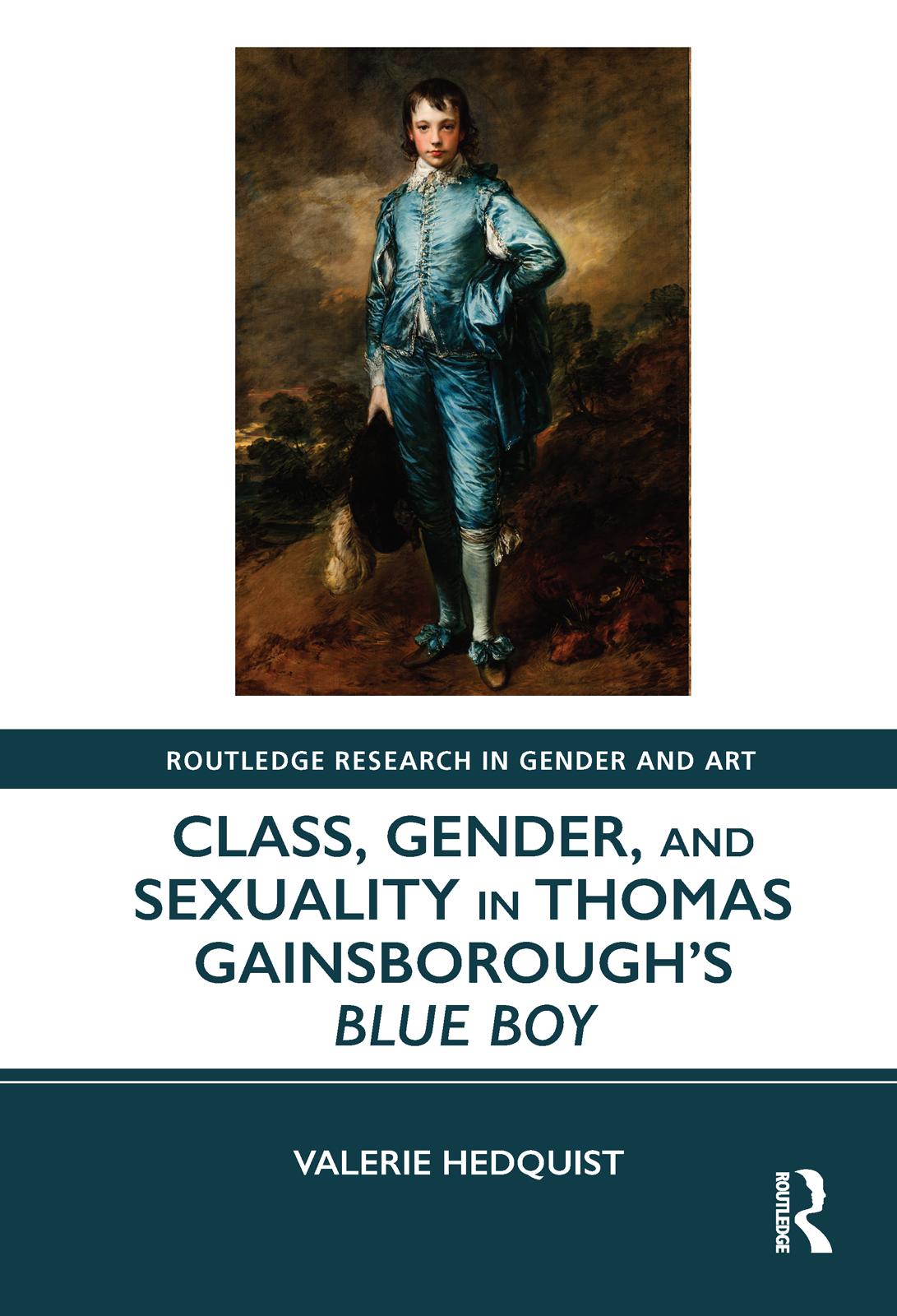
The reception of Thomas Gainsborough’s Blue Boy from its origins to its appearances in contemporary visual culture reveals how its popularity was achieved and maintained by diverse audiences and in varied venues. Performative manifestations resulted in contradictory characterizations of the painted youth as an aristocrat or a "regular fellow," as masculine or feminine, or as heterosexual or gay. In private and public spaces where viewers saw the actual painting and where living and rendered replicas circulated, Gainsborough’s painting was often the centerpiece where dominant and subordinate classes met, gender identities were enacted, and sexuality was implicitly or overtly expressed.
Paga fácilmente con tarjeta, Klarna, Apple Pay o Google Pay. ¿No estás contento? Siempre tienes 14 días de garantía de devolución. Lee más en nuestros términos. Si tienes preguntas, escríbenos a hello@memmo.org.
Memmo hace que estudiar sea más fácil, estés donde estés. Aquí tienes tus libros de texto y herramientas de estudio inteligentes en un solo lugar: resúmenes, quizzes, podcasts y flashcards. Y también a Ted, tu compañero de estudio que responde a todo lo que te preguntes. Más de 50 000 estudiantes ya estudian aquí. Está hecho para que aprendas más rápido y te estreses menos.