
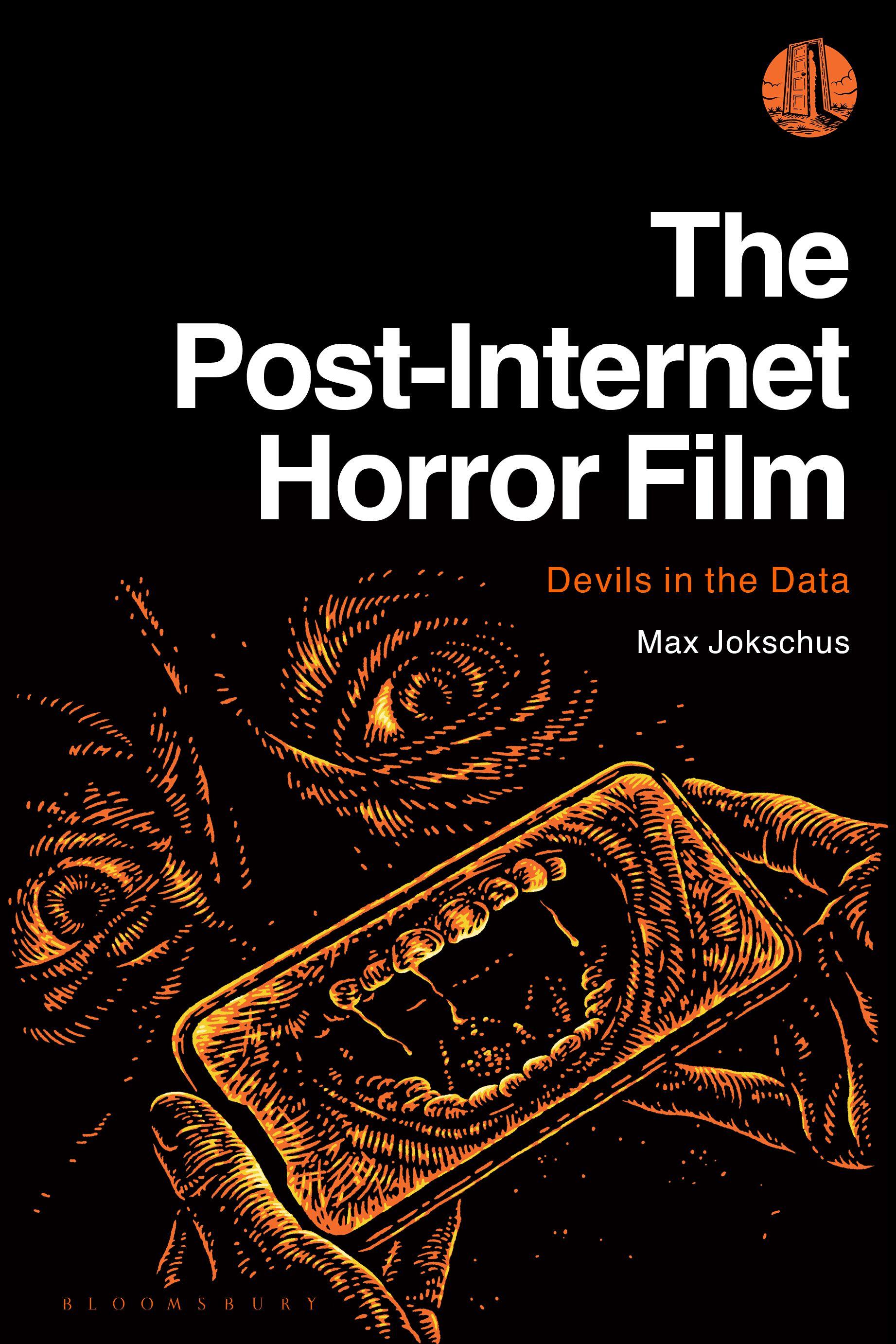
An exploration of how contemporary horror films focusing on the internet engage with society's material, functional and ideological reorientation to new digital realities, this book shows how subjects can resist the age of data capitalism and the authority of the algorithm.
Upending the notion that the horror genre – arguably the seismograph of cultural unease – has remained unresponsive to the unprecedented dangers of the digital age, The Post-Internet Horror Film illustrates how the genre tackles the (un)representability of ubiquitous computing. With consideration of how 'smart' technologies and interconnectedness of all computing devises via the web destabilise conceptions of the internet, Max Jokschus examines to what extent contemporary internet horror films contribute to fostering awareness of the internet's political economy – and how they, indeed, obscure it.
Detailing a new phenomenon that will only become more urgent with time, and calling upon data-capitalism criticism, Jokschus provides a systemic analysis of this emerging genre, its semiotics, affects and ideologies. Breaking the genre down into first and second-wave internet horror cycles and covering themes 'cyberphobia', 'datanoia' and the dark web, the book makes case studies of such films as Strangeland (1999), Pulse (2001), The Lawnmower Man (1992), Chatroom (2010), Cyberbully (2015), Girl House (2016), Bedeviled (2016), Child's Play (2019), Countdown (2018), Selfie From Hell (2018), and Dark Web: Descent into Hell (2021). Offering new ways to think, write and teach about the horror film, as well as modelling how critical internet studies and film studies can expand each other's insights, The Post-Internet Horror Film explores a new kind of scary but also avenues for user agency and resistance.
Upending the notion that the horror genre – arguably the seismograph of cultural unease – has remained unresponsive to the unprecedented dangers of the digital age, The Post-Internet Horror Film illustrates how the genre tackles the (un)representability of ubiquitous computing. With consideration of how 'smart' technologies and interconnectedness of all computing devises via the web destabilise conceptions of the internet, Max Jokschus examines to what extent contemporary internet horror films contribute to fostering awareness of the internet's political economy – and how they, indeed, obscure it.
Detailing a new phenomenon that will only become more urgent with time, and calling upon data-capitalism criticism, Jokschus provides a systemic analysis of this emerging genre, its semiotics, affects and ideologies. Breaking the genre down into first and second-wave internet horror cycles and covering themes 'cyberphobia', 'datanoia' and the dark web, the book makes case studies of such films as Strangeland (1999), Pulse (2001), The Lawnmower Man (1992), Chatroom (2010), Cyberbully (2015), Girl House (2016), Bedeviled (2016), Child's Play (2019), Countdown (2018), Selfie From Hell (2018), and Dark Web: Descent into Hell (2021). Offering new ways to think, write and teach about the horror film, as well as modelling how critical internet studies and film studies can expand each other's insights, The Post-Internet Horror Film explores a new kind of scary but also avenues for user agency and resistance.
Páginas: 216
Categoría: Film- & Medievetenskap
e-ISBN: 9781350611184
Peso de envío: 1.2 kg
Envío en: 1-2 días
Paga fácilmente con tarjeta, Klarna, Apple Pay o Google Pay. ¿No estás contento? Siempre tienes 14 días de garantía de devolución. Lee más en nuestros términos. Si tienes preguntas, escríbenos a hello@memmo.org.
Memmo hace que estudiar sea más fácil, estés donde estés. Aquí tienes tus libros de texto y herramientas de estudio inteligentes en un solo lugar: resúmenes, quizzes, podcasts y flashcards. Y también a Ted, tu compañero de estudio que responde a todo lo que te preguntes. Más de 50 000 estudiantes ya estudian aquí. Está hecho para que aprendas más rápido y te estreses menos.