
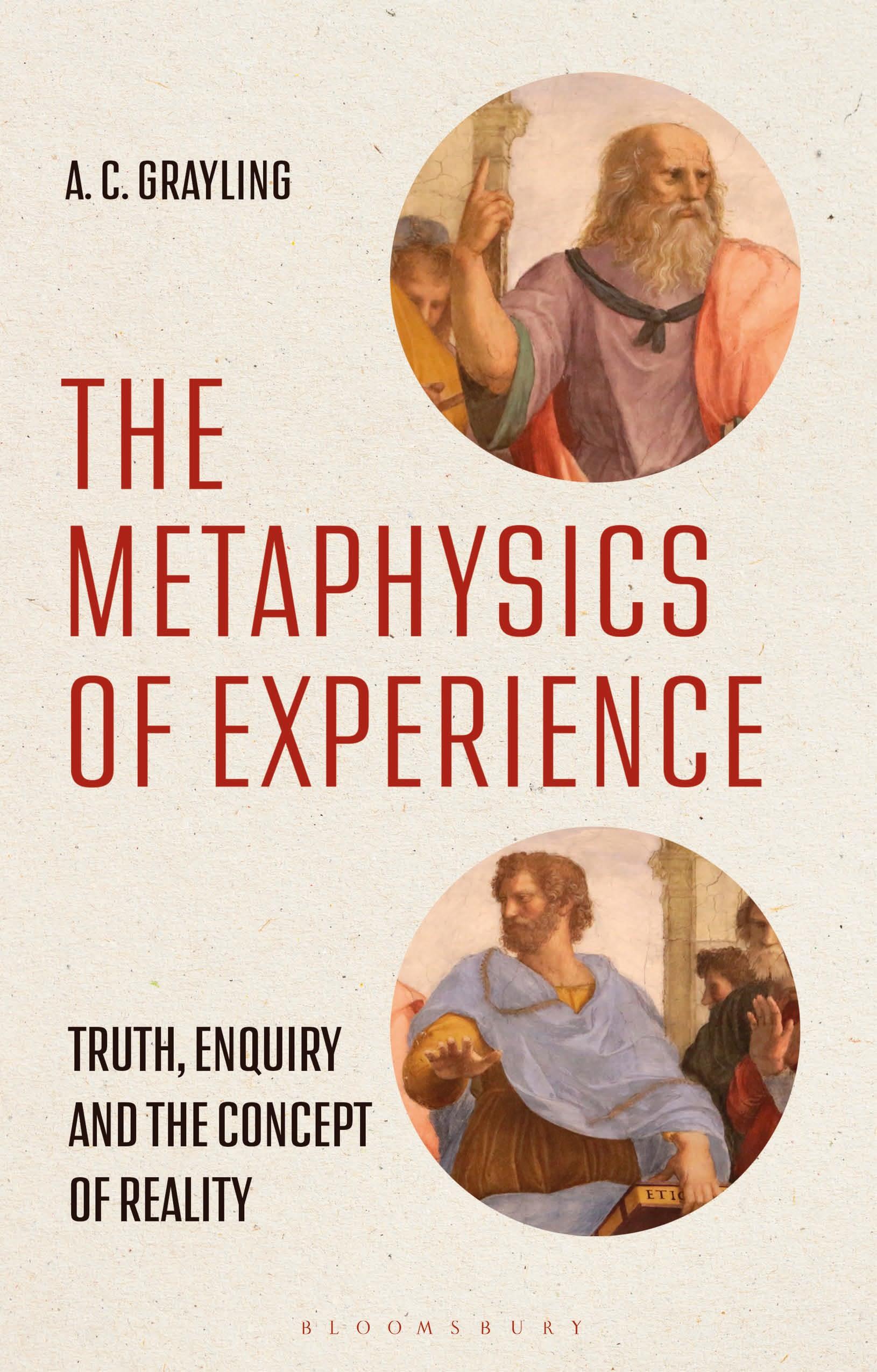
AC Grayling presents a work of analytic philosophy arguing that considerations of natural language ontology tell us much about how to understand truth, reference and concepts of reality.
In this detailed examination of how philosophers currently think about the 'ultimate reality', Grayling builds on three decades of thinking about metaphysical and semantic questions. Covering a wide range of central issues in metaphysics, Grayling presents stimulating insights on a range of topics including the difference between the concepts of 'actual' and 'real' and why 'social reality' is as 'real' as physical reality. He shows us the significance of epistemological scepticism and offers a revised and developed view of the consequences of it for understanding the nature and role of assertion.
Grayling's semantic anti-realism does not entail a rejection of metaphysical realism. Here the question is reframed as one about the way discourses project ontologies. By reversing the idea that perceptual discourse is the base case and that mimicry by other discourses of its grammar is a source of philosophical problems, Grayling argues that a series of familiar philosophical problems are resolved. His case for a deferral approach to ultimate reality, a metaphysical one, is compelling.
Located as part of an historical development running though Parmenides, Plato, Spinoza, Berkeley, Hume, this is a work with broad implications in the metaphysics and philosophy of science. It is essential reading for any philosopher wanting to rethink the entanglement of ontology and epistemology in questions about reality.
In this detailed examination of how philosophers currently think about the 'ultimate reality', Grayling builds on three decades of thinking about metaphysical and semantic questions. Covering a wide range of central issues in metaphysics, Grayling presents stimulating insights on a range of topics including the difference between the concepts of 'actual' and 'real' and why 'social reality' is as 'real' as physical reality. He shows us the significance of epistemological scepticism and offers a revised and developed view of the consequences of it for understanding the nature and role of assertion.
Grayling's semantic anti-realism does not entail a rejection of metaphysical realism. Here the question is reframed as one about the way discourses project ontologies. By reversing the idea that perceptual discourse is the base case and that mimicry by other discourses of its grammar is a source of philosophical problems, Grayling argues that a series of familiar philosophical problems are resolved. His case for a deferral approach to ultimate reality, a metaphysical one, is compelling.
Located as part of an historical development running though Parmenides, Plato, Spinoza, Berkeley, Hume, this is a work with broad implications in the metaphysics and philosophy of science. It is essential reading for any philosopher wanting to rethink the entanglement of ontology and epistemology in questions about reality.
Paga fácilmente con tarjeta, Klarna, Apple Pay o Google Pay. ¿No estás contento? Siempre tienes 14 días de garantía de devolución. Lee más en nuestros términos. Si tienes preguntas, escríbenos a hello@memmo.org.
Memmo hace que estudiar sea más fácil, estés donde estés. Aquí tienes tus libros de texto y herramientas de estudio inteligentes en un solo lugar: resúmenes, quizzes, podcasts y flashcards. Y también a Ted, tu compañero de estudio que responde a todo lo que te preguntes. Más de 50 000 estudiantes ya estudian aquí. Está hecho para que aprendas más rápido y te estreses menos.