
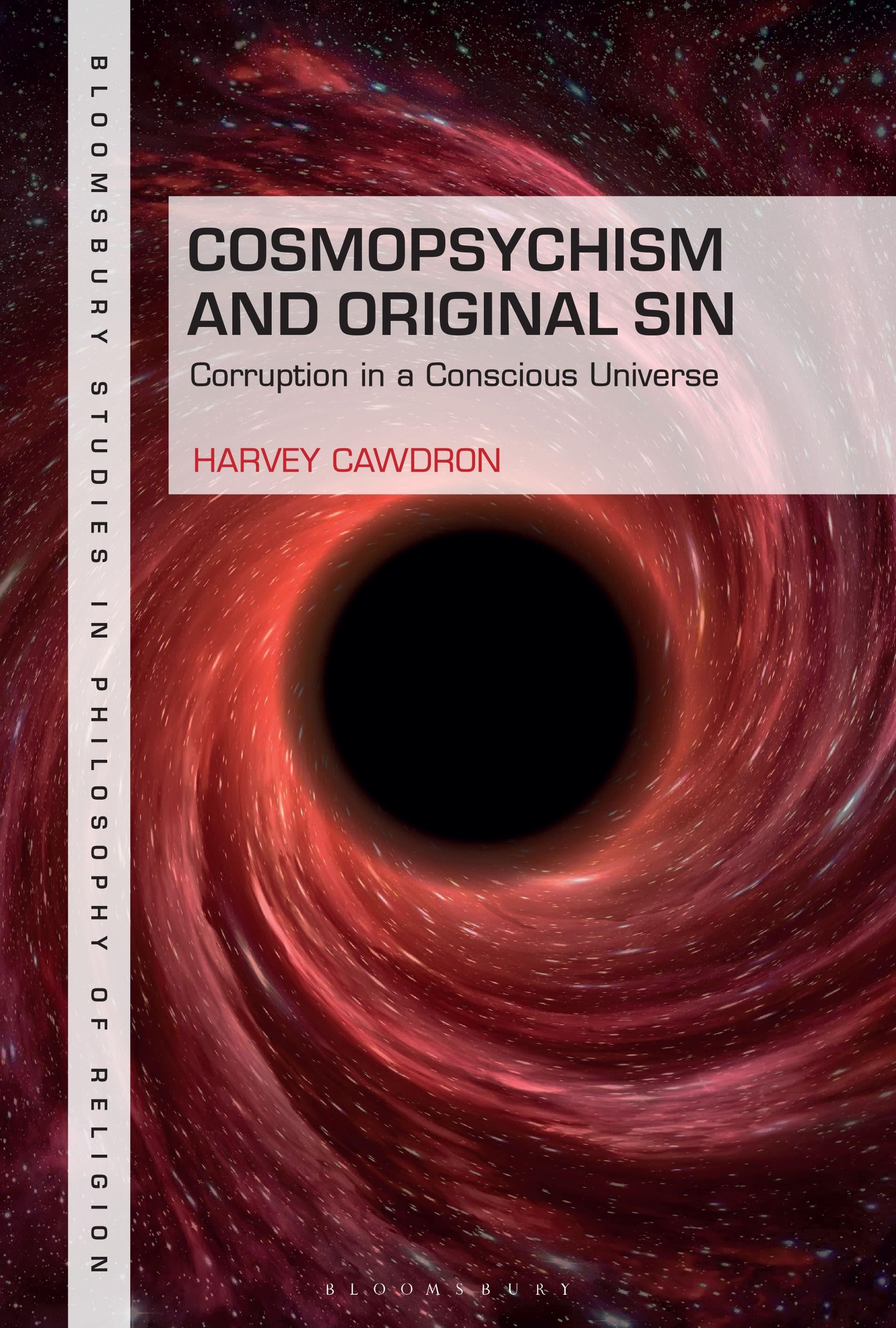
Cawdron's book explores the applications of cosmopsychism, the idea that the universe is conscious, to contemporary discussions of original sin in Christian analytic theology.
There are two issues in the scholarship of original sin that the book focuses on. The first is the transmission issue, which explains how original sin is transmitted between humans. The second is the apparent tension between original sin and moral responsibility. In doctrines that include original guilt, where later humans are considered guilty for the first sin, one has trouble with moral responsibility because later humans cannot have prevented something that happened before they were born. This problem also impacts doctrines that do not include original guilt, as one has to explain how people can be guilty for sinful acts if original sin makes the performance of these acts inevitable. Cawdron argues that cosmopsychism can help us resolve both of these issues, suggesting that the placing of consciousness at the fundamental level in cosmopsychism and the fact that the cosmic subject must individuate, or de-combine, to form other subjects, can provide us with a useful understanding of the transmission of original sin. Cawdron also uses cosmopsychism to develop two models of original sin – one including the doctrine of original guilt, and another that does not – to address tensions between the doctrine and moral responsibility.
There are two issues in the scholarship of original sin that the book focuses on. The first is the transmission issue, which explains how original sin is transmitted between humans. The second is the apparent tension between original sin and moral responsibility. In doctrines that include original guilt, where later humans are considered guilty for the first sin, one has trouble with moral responsibility because later humans cannot have prevented something that happened before they were born. This problem also impacts doctrines that do not include original guilt, as one has to explain how people can be guilty for sinful acts if original sin makes the performance of these acts inevitable. Cawdron argues that cosmopsychism can help us resolve both of these issues, suggesting that the placing of consciousness at the fundamental level in cosmopsychism and the fact that the cosmic subject must individuate, or de-combine, to form other subjects, can provide us with a useful understanding of the transmission of original sin. Cawdron also uses cosmopsychism to develop two models of original sin – one including the doctrine of original guilt, and another that does not – to address tensions between the doctrine and moral responsibility.
Paga fácilmente con tarjeta, Klarna, Apple Pay o Google Pay. ¿No estás contento? Siempre tienes 14 días de garantía de devolución. Lee más en nuestros términos. Si tienes preguntas, escríbenos a hello@memmo.org.
Memmo hace que estudiar sea más fácil, estés donde estés. Aquí tienes tus libros de texto y herramientas de estudio inteligentes en un solo lugar: resúmenes, quizzes, podcasts y flashcards. Y también a Ted, tu compañero de estudio que responde a todo lo que te preguntes. Más de 50 000 estudiantes ya estudian aquí. Está hecho para que aprendas más rápido y te estreses menos.