
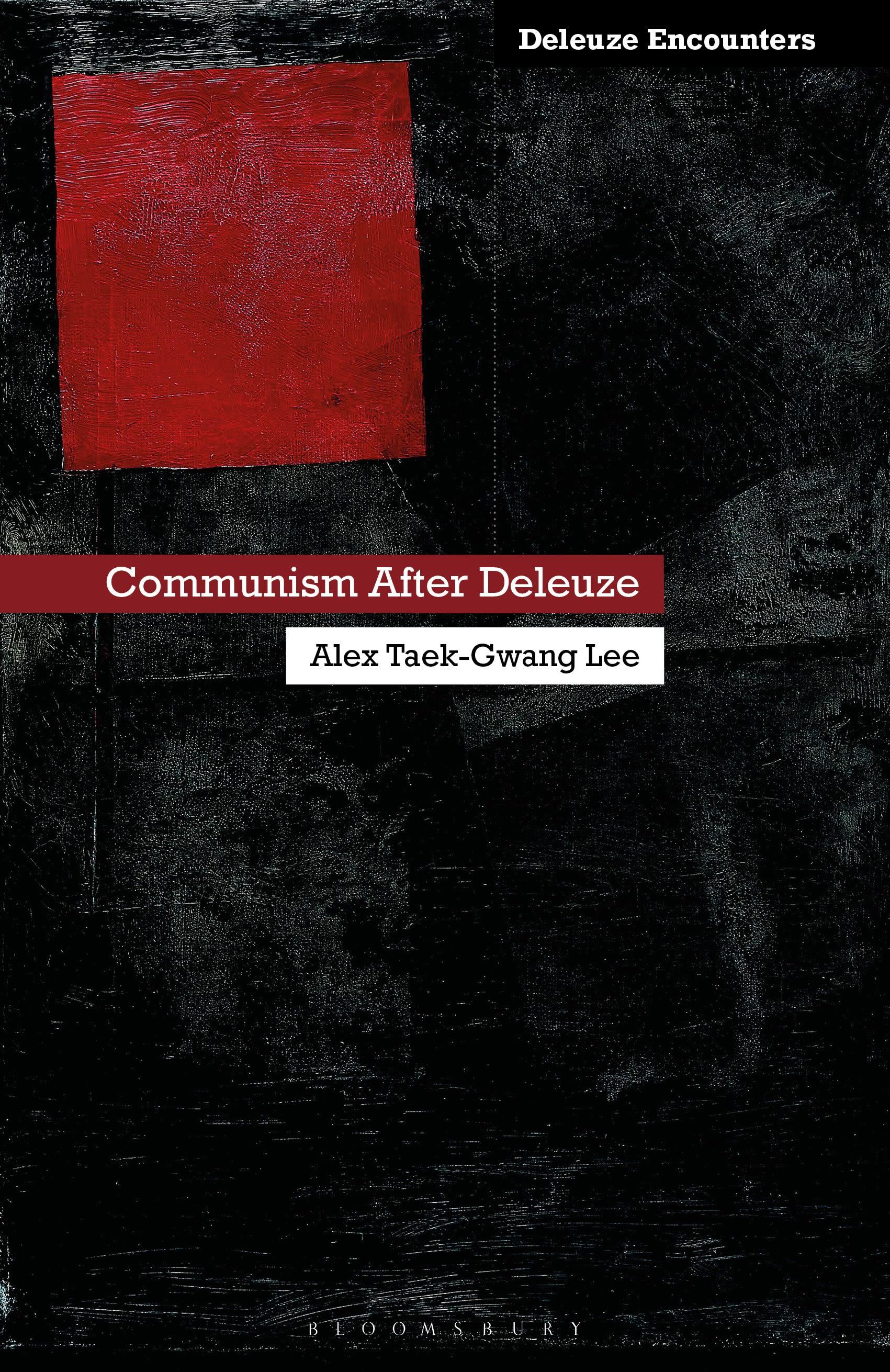
This new reading of Gilles Deleuze forges a link between his early and later works by decoding his hidden agenda for communism.
Encoded in the idea of 'the Third World', Deleuze used his concept of communism as a bulwark against fascist politics and the liberal political economy. Inspired by May 68 and its aftermath, these concealed interpretations of Marx are now tacitly forgotten but can unlock a deeper understanding of Deleuze's political project.
Often regarded as an apolitical philosopher, the challenges that Deleuze mounted to structuralism are easy to overlook. By reinvigorating the communist aspect of his political project and linking his ideas to Alain Badiou, Jacques Rancière and Slavoj Žižek, Alex Taek-Gwang Lee reveals Deleuze's objective: to rescue Marxism from the dogmatic status quo and revive its political agendas. This major undertaking situates his ideas alongside and sets out a new framework for reading the significance of Marxist thought in postwar France. Ultimately, this new understanding of Deleuze's critique of global capitalism opens up his vision of materialistic politics as a means of shaping the people and the proletariat of the future.
Encoded in the idea of 'the Third World', Deleuze used his concept of communism as a bulwark against fascist politics and the liberal political economy. Inspired by May 68 and its aftermath, these concealed interpretations of Marx are now tacitly forgotten but can unlock a deeper understanding of Deleuze's political project.
Often regarded as an apolitical philosopher, the challenges that Deleuze mounted to structuralism are easy to overlook. By reinvigorating the communist aspect of his political project and linking his ideas to Alain Badiou, Jacques Rancière and Slavoj Žižek, Alex Taek-Gwang Lee reveals Deleuze's objective: to rescue Marxism from the dogmatic status quo and revive its political agendas. This major undertaking situates his ideas alongside and sets out a new framework for reading the significance of Marxist thought in postwar France. Ultimately, this new understanding of Deleuze's critique of global capitalism opens up his vision of materialistic politics as a means of shaping the people and the proletariat of the future.
Paga fácilmente con tarjeta, Klarna, Apple Pay o Google Pay. ¿No estás contento? Siempre tienes 14 días de garantía de devolución. Lee más en nuestros términos. Si tienes preguntas, escríbenos a hello@memmo.org.
Memmo hace que estudiar sea más fácil, estés donde estés. Aquí tienes tus libros de texto y herramientas de estudio inteligentes en un solo lugar: resúmenes, quizzes, podcasts y flashcards. Y también a Ted, tu compañero de estudio que responde a todo lo que te preguntes. Más de 50 000 estudiantes ya estudian aquí. Está hecho para que aprendas más rápido y te estreses menos.