
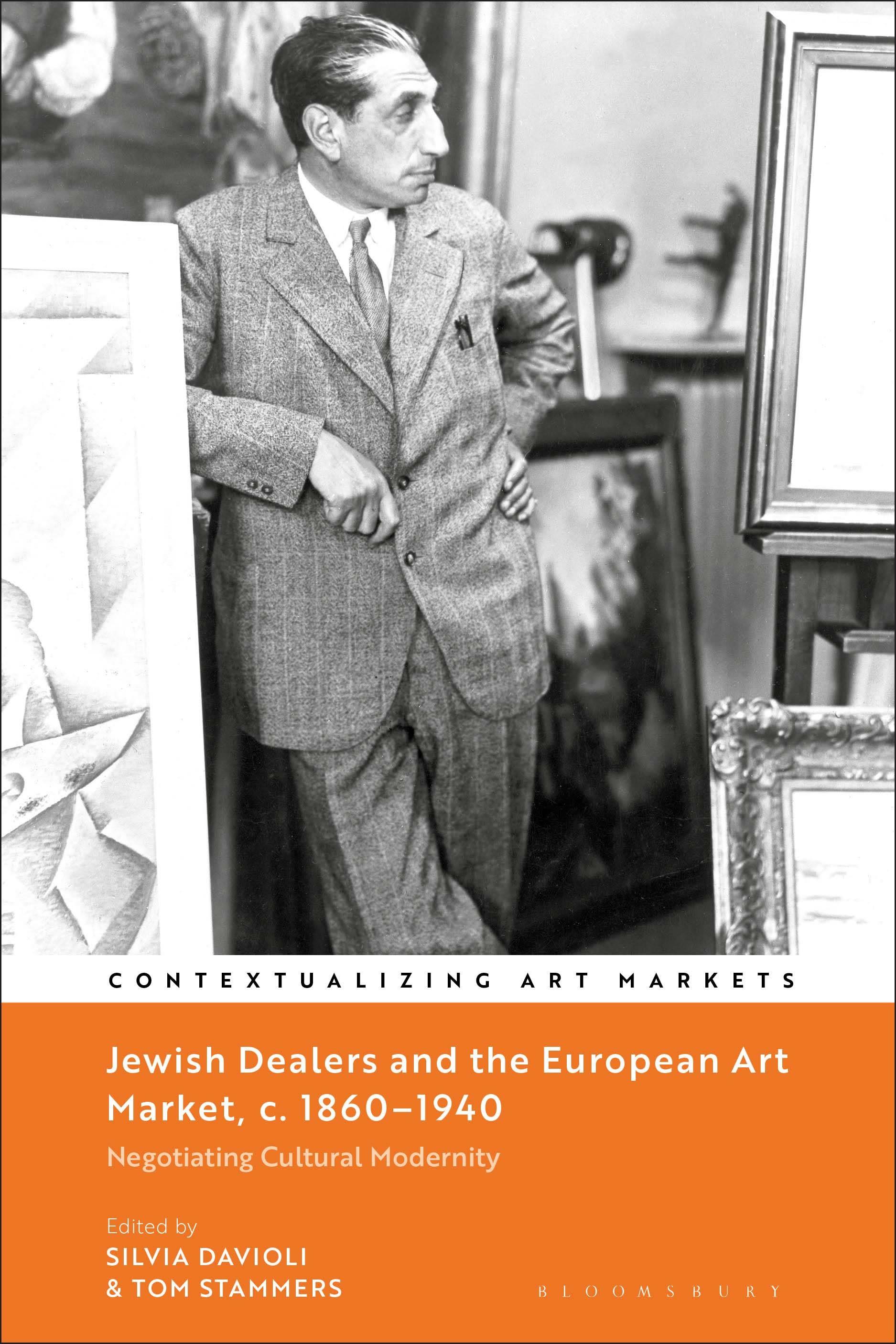
Before the tragedy of the Holocaust, many of the leading art and antiques dealers across Europe were Jewish, establishing dynamic cross-Channel, international and transatlantic networks. Aside from a few famous examples, however, we are only at the beginning of exploring the diversity of Jewish dealers' commercial and cultural worlds, and reflecting on the particular conditions that made possible their dramatic expansion within the profession.
Adopting a wider geography than any previous study, this book brings together a team of distinguished international contributors to consider Jewish art dealers as an interconnected cohort, tied together by common strategies and a shared vulnerability. After an extended historiographical introduction, the volume presents case studies and trends from 1860-1940, including: Jewish family businesses in Western Europe; the role of Jews as mediators of art from East Asia; the antisemitism and suspicion faced by Jewish dealers; Jews as theorists, exhibition makers and promoters of modern art ; and the geographical mobility and professional reinvention of Jewish dealers in times of economic and political crisis.
With a wide variety of illustrations, including paintings, decorative arts, historic photographs and archival material, the volume adopts a mix of methodological approaches to analyse a key chapter in Jewish cultural history and in the history of the international art market.
Includes Afterword by Charles Dellheim, author of Belonging and Betrayal: How Jews Made the Art World Modern (2021).
Adopting a wider geography than any previous study, this book brings together a team of distinguished international contributors to consider Jewish art dealers as an interconnected cohort, tied together by common strategies and a shared vulnerability. After an extended historiographical introduction, the volume presents case studies and trends from 1860-1940, including: Jewish family businesses in Western Europe; the role of Jews as mediators of art from East Asia; the antisemitism and suspicion faced by Jewish dealers; Jews as theorists, exhibition makers and promoters of modern art ; and the geographical mobility and professional reinvention of Jewish dealers in times of economic and political crisis.
With a wide variety of illustrations, including paintings, decorative arts, historic photographs and archival material, the volume adopts a mix of methodological approaches to analyse a key chapter in Jewish cultural history and in the history of the international art market.
Includes Afterword by Charles Dellheim, author of Belonging and Betrayal: How Jews Made the Art World Modern (2021).
Paga fácilmente con tarjeta, Klarna, Apple Pay o Google Pay. ¿No estás contento? Siempre tienes 14 días de garantía de devolución. Lee más en nuestros términos. Si tienes preguntas, escríbenos a hello@memmo.org.
Memmo hace que estudiar sea más fácil, estés donde estés. Aquí tienes tus libros de texto y herramientas de estudio inteligentes en un solo lugar: resúmenes, quizzes, podcasts y flashcards. Y también a Ted, tu compañero de estudio que responde a todo lo que te preguntes. Más de 50 000 estudiantes ya estudian aquí. Está hecho para que aprendas más rápido y te estreses menos.