
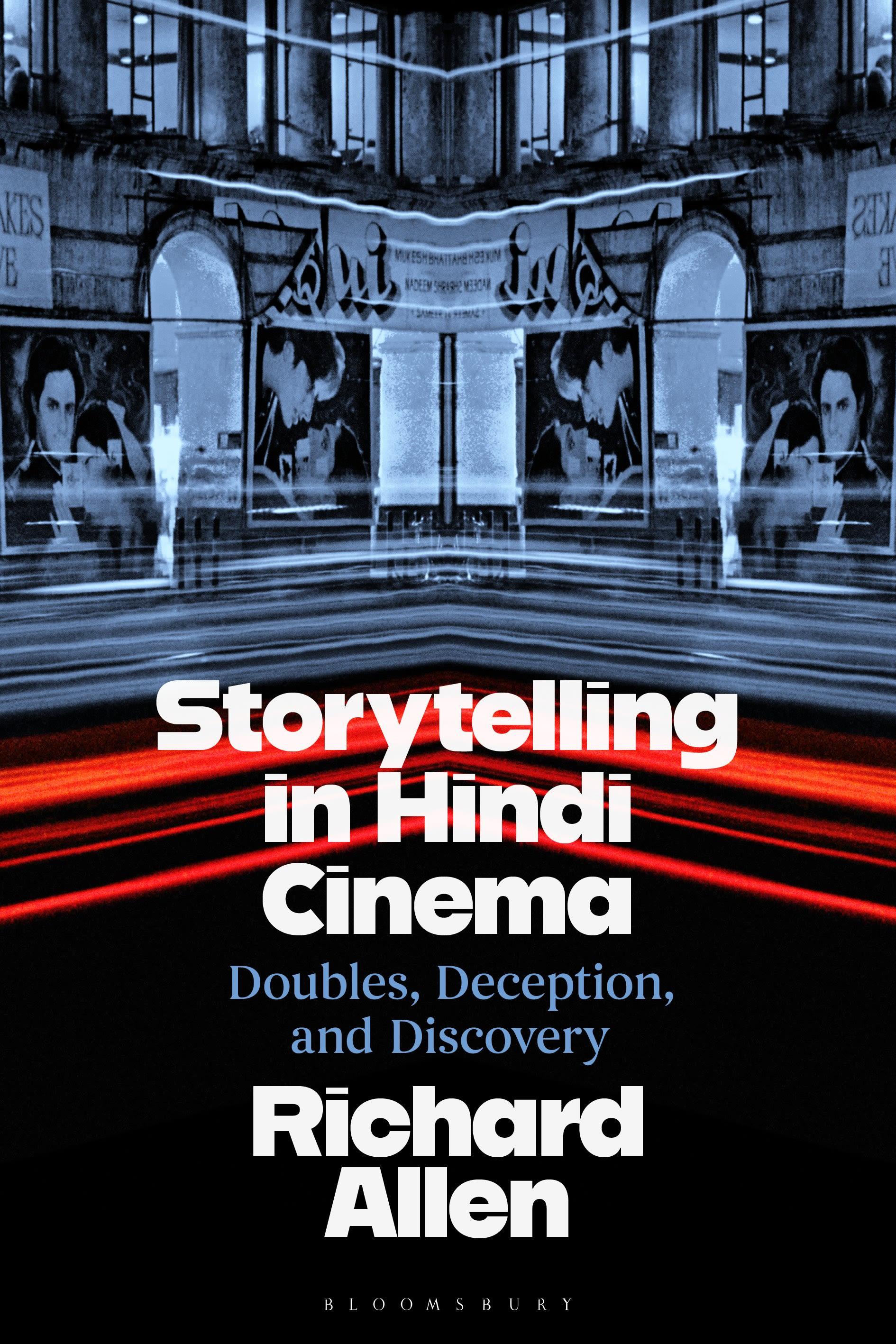
From physical duplicates to role reversals and sexual masquerades, Storytelling in Hindi Cinema provides a comprehensive overview of Hindi films centered around the figure of the double.
Richard Allen dissects the cultural significance of these double-themed plots, considering how they reflect questions of social mobility, the expression of desire, social justice, and national identity in the post-colonial period. He considers the wide array of influences that shape the genre, from Sanskrit Kathasaritsagara story-telling traditions, folk Nautanki theatres, and Tales of the Arabian Nights to colonial and post-colonial roots from Shakespeare to Hollywood melodrama. He asserts the influence of Bengali cinema, particularly of filmmaker Hrishikesh Mukherjee, and South Indian films like Hello Brother (1994) in providing diverse perspectives that enrich these narratives.
Examining a broad range of films, from 1947 to present, including Mahal (1949), Madhumati (1958), Chupke Chupke (1975), Angoor (1982), Banjaran (1991), Kal Ho Na Ho (2003) and Dostana (2008), Allen traces the evolution of the trope, even incorporating transgressive narratives like cross-dressing and gender disguise. In doing so, he highlights how these cinematic motifs navigate the complexities of traditional worldviews and modern experiences.
Richard Allen dissects the cultural significance of these double-themed plots, considering how they reflect questions of social mobility, the expression of desire, social justice, and national identity in the post-colonial period. He considers the wide array of influences that shape the genre, from Sanskrit Kathasaritsagara story-telling traditions, folk Nautanki theatres, and Tales of the Arabian Nights to colonial and post-colonial roots from Shakespeare to Hollywood melodrama. He asserts the influence of Bengali cinema, particularly of filmmaker Hrishikesh Mukherjee, and South Indian films like Hello Brother (1994) in providing diverse perspectives that enrich these narratives.
Examining a broad range of films, from 1947 to present, including Mahal (1949), Madhumati (1958), Chupke Chupke (1975), Angoor (1982), Banjaran (1991), Kal Ho Na Ho (2003) and Dostana (2008), Allen traces the evolution of the trope, even incorporating transgressive narratives like cross-dressing and gender disguise. In doing so, he highlights how these cinematic motifs navigate the complexities of traditional worldviews and modern experiences.
Páginas: 360
Categoría: Film- & Medievetenskap
e-ISBN: 9781350473300
Peso de envío: 1.2 kg
Envío en: 1-2 días
Paga fácilmente con tarjeta, Klarna, Apple Pay o Google Pay. ¿No estás contento? Siempre tienes 14 días de garantía de devolución. Lee más en nuestros términos. Si tienes preguntas, escríbenos a hello@memmo.org.
Memmo hace que estudiar sea más fácil, estés donde estés. Aquí tienes tus libros de texto y herramientas de estudio inteligentes en un solo lugar: resúmenes, quizzes, podcasts y flashcards. Y también a Ted, tu compañero de estudio que responde a todo lo que te preguntes. Más de 50 000 estudiantes ya estudian aquí. Está hecho para que aprendas más rápido y te estreses menos.