
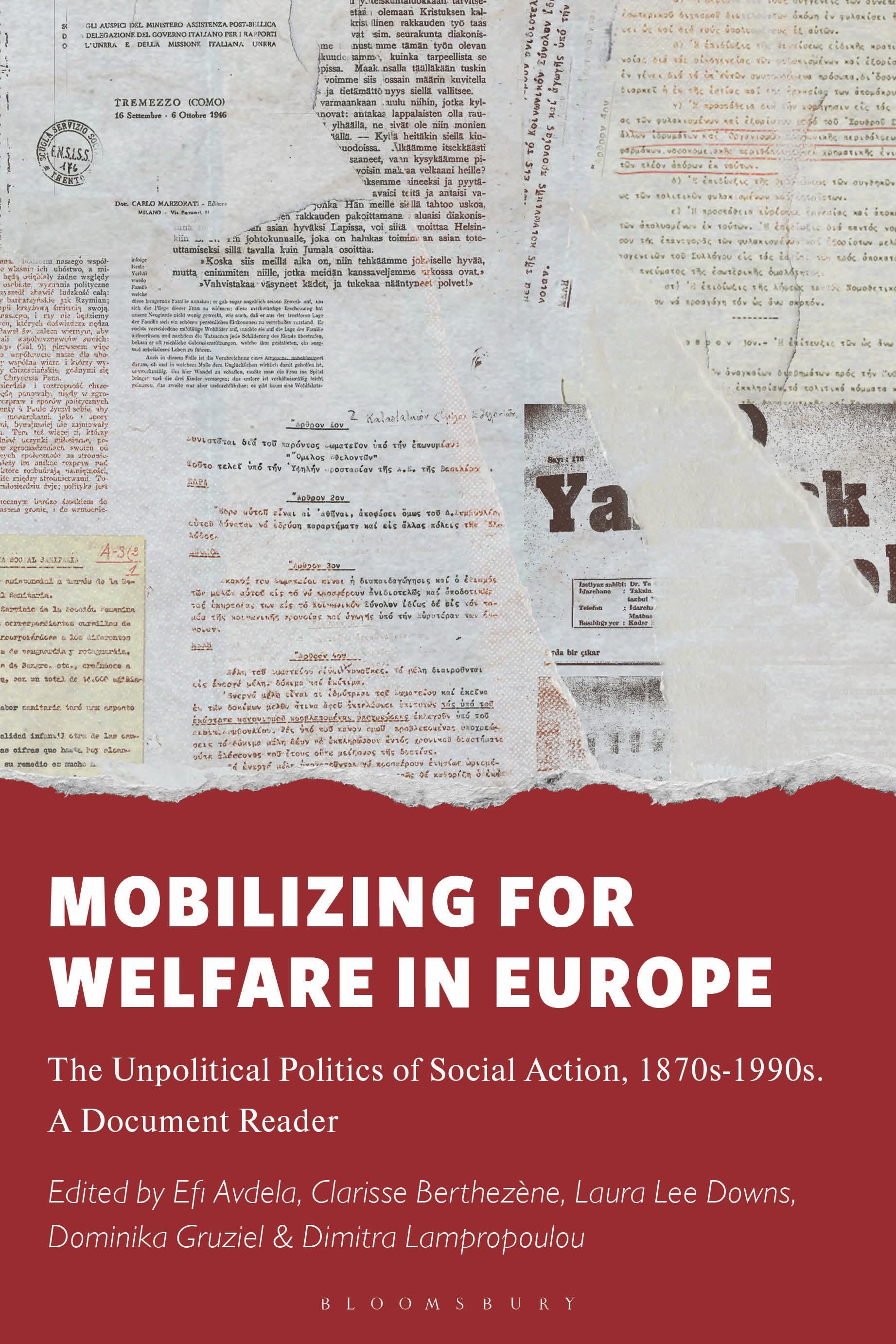
This is an engaging collection of 20 primary sources that provide insights into different approaches to social welfare from around Europe in the long 20th century, focusing particularly on marginalized groups.
Each chapter sheds light on a case of collective welfare action, and includes translated archival documents, alongside commentary that contextualises each case, and examines its socio-political underpinnings. This volume explores sources from 12 European countries, capturing historical approaches to collective action, and encompassing a plethora of welfare issues – such as religious and secular philanthropy, youth protection, gender history, and campaigns for prison reform. The result is a detailed study of the social welfare state in Europe.
With every source accompanied by an analysis of the ideas, ambitions, and practices of the actors themselves, in addition to an exploration of the larger regional context that influenced each pattern of collective mobilization, the editors highlight the distinction between the social and the political that underlies many forms of action undertaken in the field. Using the idea of 'unpolitical politics' as a new lens through which to explore the development of social welfare in a number of European contexts, this volume analyses who and what purports to be 'neutral', and why.
Each chapter sheds light on a case of collective welfare action, and includes translated archival documents, alongside commentary that contextualises each case, and examines its socio-political underpinnings. This volume explores sources from 12 European countries, capturing historical approaches to collective action, and encompassing a plethora of welfare issues – such as religious and secular philanthropy, youth protection, gender history, and campaigns for prison reform. The result is a detailed study of the social welfare state in Europe.
With every source accompanied by an analysis of the ideas, ambitions, and practices of the actors themselves, in addition to an exploration of the larger regional context that influenced each pattern of collective mobilization, the editors highlight the distinction between the social and the political that underlies many forms of action undertaken in the field. Using the idea of 'unpolitical politics' as a new lens through which to explore the development of social welfare in a number of European contexts, this volume analyses who and what purports to be 'neutral', and why.
Paga fácilmente con tarjeta, Klarna, Apple Pay o Google Pay. ¿No estás contento? Siempre tienes 14 días de garantía de devolución. Lee más en nuestros términos. Si tienes preguntas, escríbenos a hello@memmo.org.
Memmo hace que estudiar sea más fácil, estés donde estés. Aquí tienes tus libros de texto y herramientas de estudio inteligentes en un solo lugar: resúmenes, quizzes, podcasts y flashcards. Y también a Ted, tu compañero de estudio que responde a todo lo que te preguntes. Más de 50 000 estudiantes ya estudian aquí. Está hecho para que aprendas más rápido y te estreses menos.