
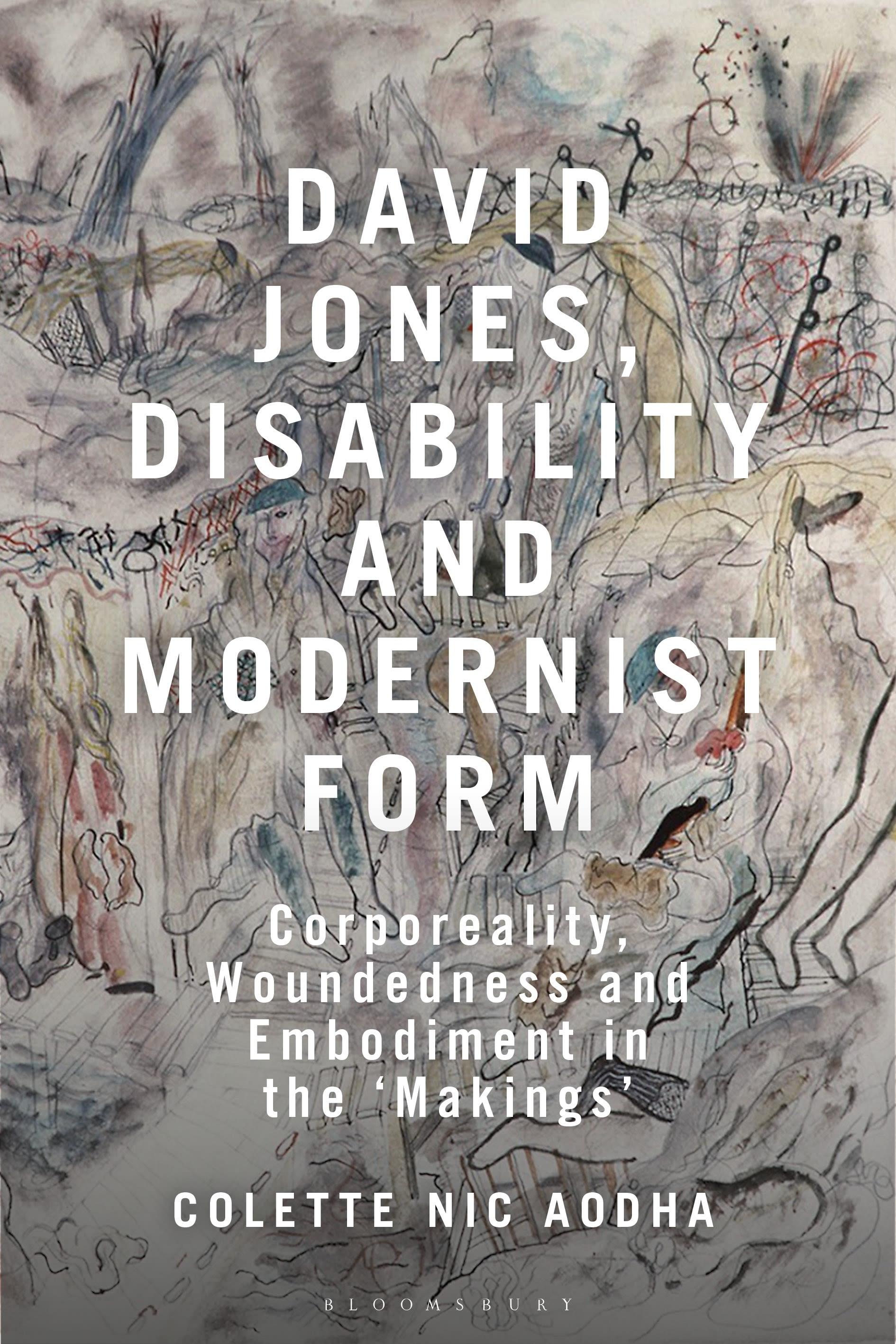
Employing a fresh theoretical approach to David Jones' work, this is the first book to use disability studies as a lens through which to consider his post-war work.
Unpacking the distinct corporeality in the work of Welsh modernist maker, poet, painter, and engraver, David Jones (1895-1974) that emerges from the trauma of Jones's participation in the Great War, this book frames the complex modes of embodiment in his post-war work. In doing so, it relates Jones's pioneering visual art and poetic form to antecedents (William Blake) and modern artists (Sarah Lucas and Damien Hirst) while using materiality to form connections between modernism, disability, and the liturgy of the Eucharist upon which Jones centres his work.
Unpacking the distinct corporeality in the work of Welsh modernist maker, poet, painter, and engraver, David Jones (1895-1974) that emerges from the trauma of Jones's participation in the Great War, this book frames the complex modes of embodiment in his post-war work. In doing so, it relates Jones's pioneering visual art and poetic form to antecedents (William Blake) and modern artists (Sarah Lucas and Damien Hirst) while using materiality to form connections between modernism, disability, and the liturgy of the Eucharist upon which Jones centres his work.
Paga fácilmente con tarjeta, Klarna, Apple Pay o Google Pay. ¿No estás contento? Siempre tienes 14 días de garantía de devolución. Lee más en nuestros términos. Si tienes preguntas, escríbenos a hello@memmo.org.
Memmo hace que estudiar sea más fácil, estés donde estés. Aquí tienes tus libros de texto y herramientas de estudio inteligentes en un solo lugar: resúmenes, quizzes, podcasts y flashcards. Y también a Ted, tu compañero de estudio que responde a todo lo que te preguntes. Más de 50 000 estudiantes ya estudian aquí. Está hecho para que aprendas más rápido y te estreses menos.