
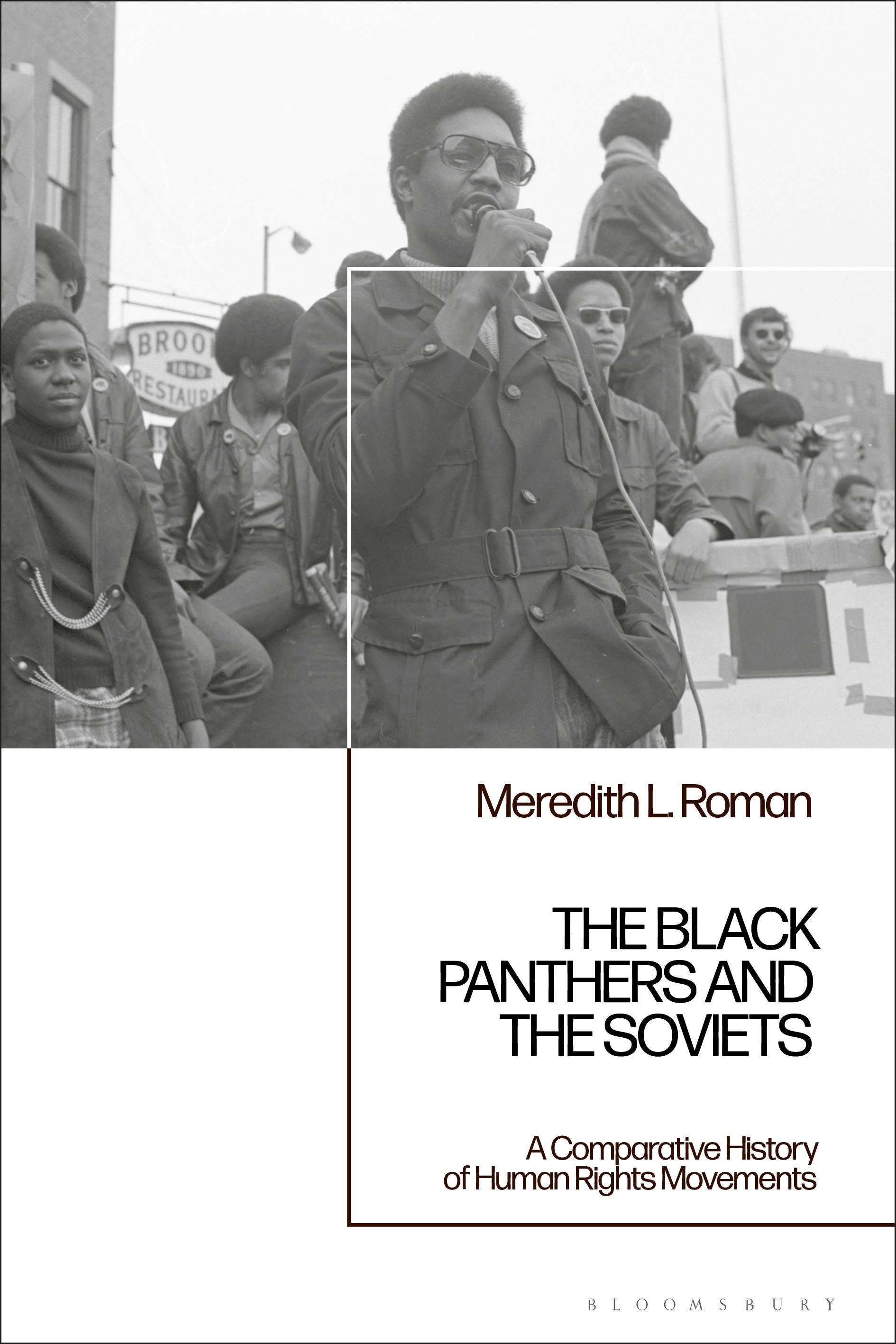
The contemporaneous movements for human rights that Soviet rights defenders and the Black Panthers waged during the 1960s are analysed in a comparative fashion here for the very first time. The book also examines the extra-legal measures that both the KGB and FBI employed to destroy them.
The Black Panthers and the Soviets innovatively compares Soviet human rights activists' exposure of the workings of the Soviet police state with the miniature, city-level surveillance police states that the Black Panthers exposed as operating across the United States. It illuminates the legal tactics of counter-surveillance that Soviet rights defenders and the Black Panthers employed as a means of restraining acts of state-sanctioned violence. The book also highlights how the U.S. production of knowledge about Soviet 'dissidents' reified white supremacist, anti-communist notions of dissent, human rights, and state violence that facilitated the repression of the Black Panthers and the mass incarceration of African Americans as criminals.
Meredith L. Roman disrupts the enduring Cold War binaries of authoritarianism-democracy and oppression-freedom that obscure our understanding of the complex, overlapping histories of these two superpowers. Roman convincingly argues that the Soviet rights defenders and the Black Panthers' vast documentation of domestic human rights abuses and the repressive measures that they faced for mobilizing to end them serve as an important societal reminder; they reaffirm that genuine democracy and the safeguarding of human rights are incompatible with authoritarian practices, the conditions of racial capitalism, and the ideology of national security.
The Black Panthers and the Soviets innovatively compares Soviet human rights activists' exposure of the workings of the Soviet police state with the miniature, city-level surveillance police states that the Black Panthers exposed as operating across the United States. It illuminates the legal tactics of counter-surveillance that Soviet rights defenders and the Black Panthers employed as a means of restraining acts of state-sanctioned violence. The book also highlights how the U.S. production of knowledge about Soviet 'dissidents' reified white supremacist, anti-communist notions of dissent, human rights, and state violence that facilitated the repression of the Black Panthers and the mass incarceration of African Americans as criminals.
Meredith L. Roman disrupts the enduring Cold War binaries of authoritarianism-democracy and oppression-freedom that obscure our understanding of the complex, overlapping histories of these two superpowers. Roman convincingly argues that the Soviet rights defenders and the Black Panthers' vast documentation of domestic human rights abuses and the repressive measures that they faced for mobilizing to end them serve as an important societal reminder; they reaffirm that genuine democracy and the safeguarding of human rights are incompatible with authoritarian practices, the conditions of racial capitalism, and the ideology of national security.
Paga fácilmente con tarjeta, Klarna, Apple Pay o Google Pay. ¿No estás contento? Siempre tienes 14 días de garantía de devolución. Lee más en nuestros términos. Si tienes preguntas, escríbenos a hello@memmo.org.
Memmo hace que estudiar sea más fácil, estés donde estés. Aquí tienes tus libros de texto y herramientas de estudio inteligentes en un solo lugar: resúmenes, quizzes, podcasts y flashcards. Y también a Ted, tu compañero de estudio que responde a todo lo que te preguntes. Más de 50 000 estudiantes ya estudian aquí. Está hecho para que aprendas más rápido y te estreses menos.