
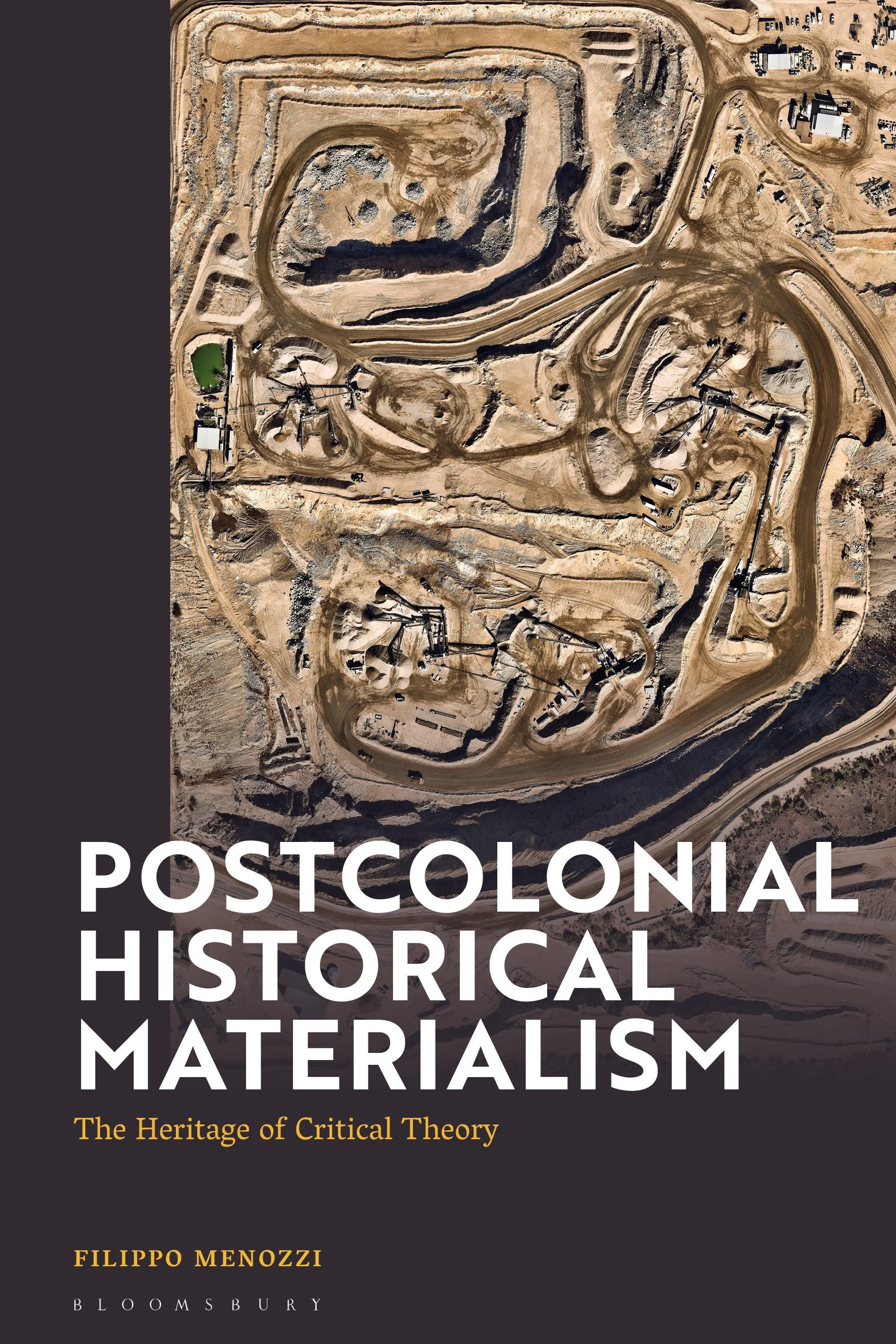
Through a reappraisal of the work of four major figures in critical theory – Ernst Bloch, Georg Lukács, Theodor Adorno, and Walter Benjamin – Filippo Menozzi rethinks the tradition of critical theory in relation to pressing concerns in postcolonial studies.
Revealing these authors' continued relevance to urgent issues in the 21st century, from struggles against racism to social movements and the transmutations of global capitalism, Menozzi reimagines them as central to an alternative genealogy of critical theory that moves beyond their European provenance and the limitations of “Western Marxism”. In doing so, this book challenges, more broadly, the view of critical theory as steeped in Eurocentrism, culturally conservative, and politically defeatist. Contesting this in four chapters, Postcolonial Historical Materialism inserts Adorno, Lukács, Bloch, and Benjamin into key contemporary sites of militancy and debate.
Engaging with a wide range of European and non-European sources, Menozzi proposes a new concept of “postcolonial historical materialism”, indicating how the heritage of critical theory can reopen global possibilities of utopia and revolution in a non-utopian age of global emergencies, social unrest, and the unfinished history of decolonisation.
Revealing these authors' continued relevance to urgent issues in the 21st century, from struggles against racism to social movements and the transmutations of global capitalism, Menozzi reimagines them as central to an alternative genealogy of critical theory that moves beyond their European provenance and the limitations of “Western Marxism”. In doing so, this book challenges, more broadly, the view of critical theory as steeped in Eurocentrism, culturally conservative, and politically defeatist. Contesting this in four chapters, Postcolonial Historical Materialism inserts Adorno, Lukács, Bloch, and Benjamin into key contemporary sites of militancy and debate.
Engaging with a wide range of European and non-European sources, Menozzi proposes a new concept of “postcolonial historical materialism”, indicating how the heritage of critical theory can reopen global possibilities of utopia and revolution in a non-utopian age of global emergencies, social unrest, and the unfinished history of decolonisation.
Paga fácilmente con tarjeta, Klarna, Apple Pay o Google Pay. ¿No estás contento? Siempre tienes 14 días de garantía de devolución. Lee más en nuestros términos. Si tienes preguntas, escríbenos a hello@memmo.org.
Memmo hace que estudiar sea más fácil, estés donde estés. Aquí tienes tus libros de texto y herramientas de estudio inteligentes en un solo lugar: resúmenes, quizzes, podcasts y flashcards. Y también a Ted, tu compañero de estudio que responde a todo lo que te preguntes. Más de 50 000 estudiantes ya estudian aquí. Está hecho para que aprendas más rápido y te estreses menos.