
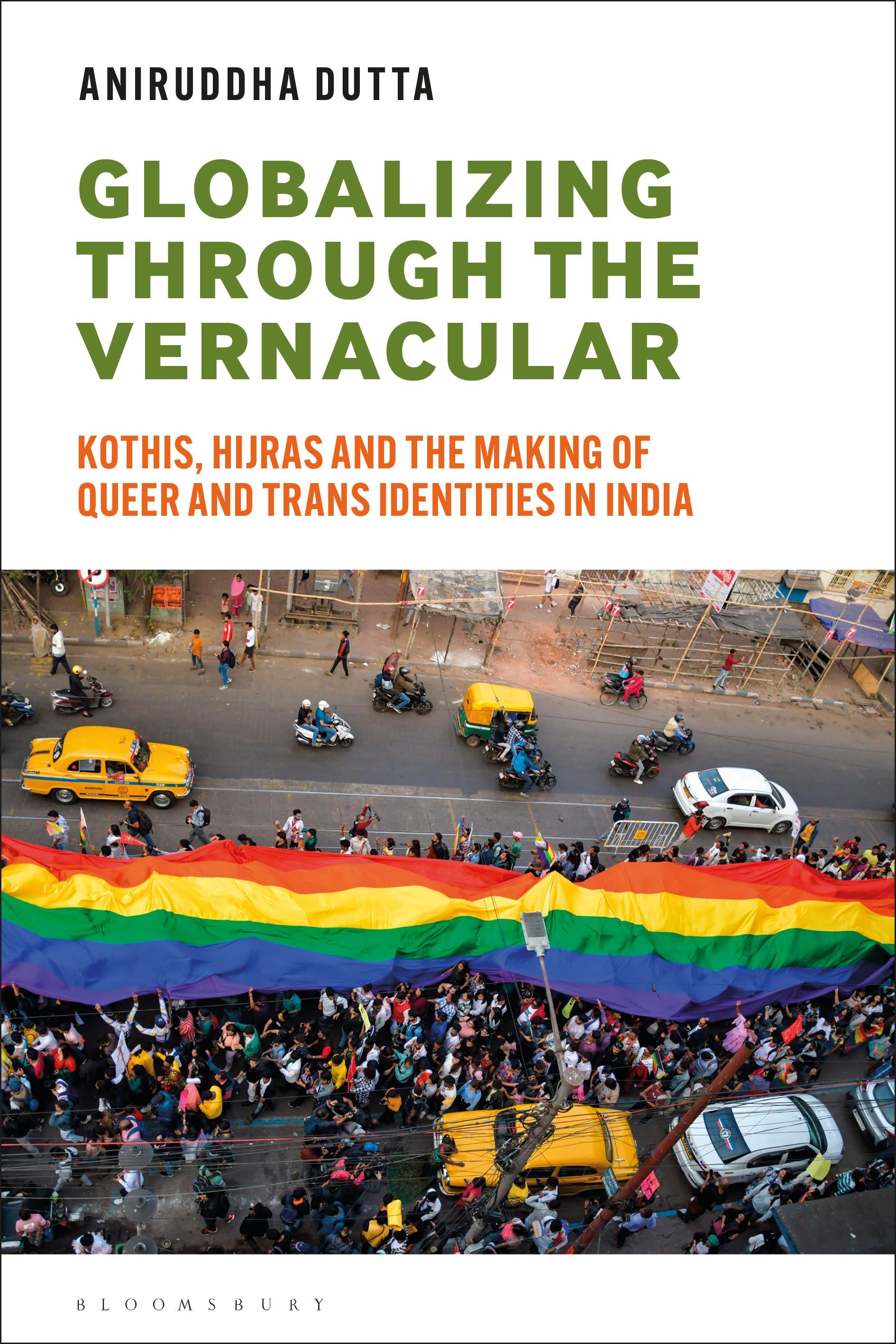
Globalizing through the Vernacular analyzes the relation between dominant frameworks of LGBTQ+ identity in India and non-elite, non-metropolitan communities such as kothis and hijras, a spectrum of feminine-identified people usually assigned male at birth. Going beyond the well-known 'third gender' hijra community, this is the first book to study the discourses and practices of related but underrepresented groups like kothis and dhuranis in small-town and rural India while simultaneously examining their relation to and role within LGBTQ+ identity politics.
Based on long-term ethnographic fieldwork, the book demonstrates that non-elite groups facilitate the transregional expansion of organized queer politics and become more consolidated as gender/sexual identities in the process. Yet, they often remain irreducible to emerging identity categories and become subordinated through hierarchies of scale and language that serve to contain such communities and related discourses as local and vernacular. The book shows how this process, in effect, denies them an equal role in transnational LGBT politics; reinforces class/caste hierarchies within and beyond queer communities; and delegitimizes or erases articulations of gender/sexual difference that contravene dominant understandings of gender/sexual identity aligned with transnational capitalism, liberalism, or nationalism. Simultaneously, it reveals how non-elite communities rearticulate dominant identity categories in more equal, liberatory ways.
Based on long-term ethnographic fieldwork, the book demonstrates that non-elite groups facilitate the transregional expansion of organized queer politics and become more consolidated as gender/sexual identities in the process. Yet, they often remain irreducible to emerging identity categories and become subordinated through hierarchies of scale and language that serve to contain such communities and related discourses as local and vernacular. The book shows how this process, in effect, denies them an equal role in transnational LGBT politics; reinforces class/caste hierarchies within and beyond queer communities; and delegitimizes or erases articulations of gender/sexual difference that contravene dominant understandings of gender/sexual identity aligned with transnational capitalism, liberalism, or nationalism. Simultaneously, it reveals how non-elite communities rearticulate dominant identity categories in more equal, liberatory ways.
Paga fácilmente con tarjeta, Klarna, Apple Pay o Google Pay. ¿No estás contento? Siempre tienes 14 días de garantía de devolución. Lee más en nuestros términos. Si tienes preguntas, escríbenos a hello@memmo.org.
Memmo hace que estudiar sea más fácil, estés donde estés. Aquí tienes tus libros de texto y herramientas de estudio inteligentes en un solo lugar: resúmenes, quizzes, podcasts y flashcards. Y también a Ted, tu compañero de estudio que responde a todo lo que te preguntes. Más de 50 000 estudiantes ya estudian aquí. Está hecho para que aprendas más rápido y te estreses menos.