
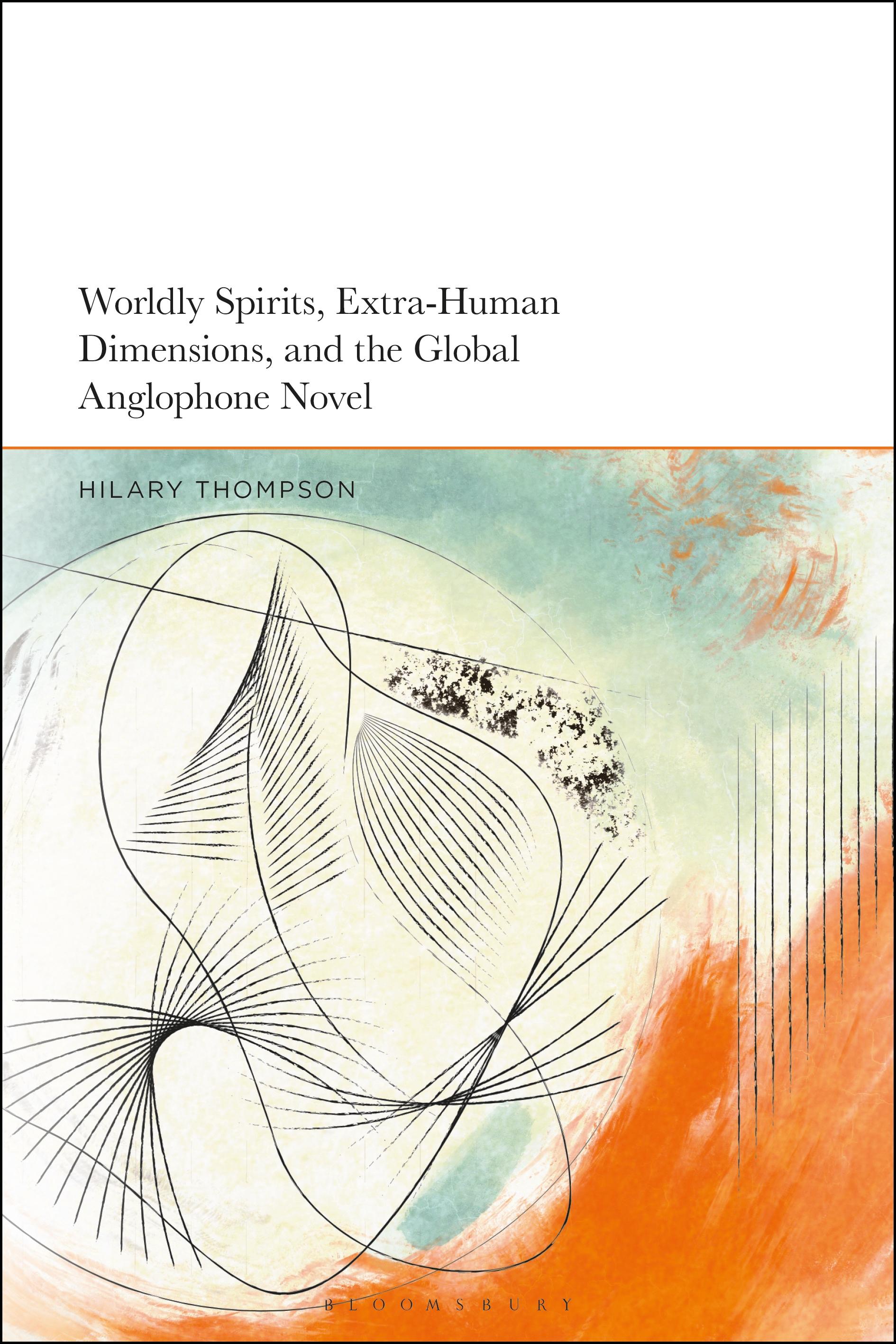
Engaging a diverse range of contemporary anglophone literature from authors of the Asian, Middle Eastern and Caribbean diasporas, this book explores how such works turn to spirit forces, spirit realms and spirit beings - were-animals, mystical birds, and snake goddesses - as positive forces that assert perceptual dimensions beyond those of the human, and present a vision of Earth as agentive and animate. With previous scholarship downplaying these aspects of modern works as uncanny hauntings or symptoms of capitalism's or anthropocentrism's destructiveness, or within a blanket rubric of 'magical realism', Hilary Thompson rejects this partitioning of them as products of an exotic East or global South. By contrast, this book builds a new critical framework for analysis of worldly spirits, drawing on anthropological discussions of animism, the newly recovered 1930s boundary-crossing art movement Dimensionism, and multispecies theories of animals' diverse perceptual worlds.
Taking stock of novels published from 2018-2020 by such writers as Amitav Ghosh, André Alexis, Yangsze Choo, Azareen Van der Vliet Oloomi, Zeyn Joukhadar, and Tanya Tagaq, Thompson illuminates how these works extend an ecological call to decentre the human and align with multidimensional theories of art and literature to provide ways to read for rather than reduce the extra-human dimensions emerging in contemporary fiction.
A refreshing rejection of ecological apocalypticism, this book unsettles typical conceptualizations of both anglophone and Anthropocene literatures by invoking European art theory, philosophy, and non-Western ideas on animism and spirits to put forward perceptions of the extra-human as a form of dealing with the many uncertainties of today's different crises.
Taking stock of novels published from 2018-2020 by such writers as Amitav Ghosh, André Alexis, Yangsze Choo, Azareen Van der Vliet Oloomi, Zeyn Joukhadar, and Tanya Tagaq, Thompson illuminates how these works extend an ecological call to decentre the human and align with multidimensional theories of art and literature to provide ways to read for rather than reduce the extra-human dimensions emerging in contemporary fiction.
A refreshing rejection of ecological apocalypticism, this book unsettles typical conceptualizations of both anglophone and Anthropocene literatures by invoking European art theory, philosophy, and non-Western ideas on animism and spirits to put forward perceptions of the extra-human as a form of dealing with the many uncertainties of today's different crises.
Paga fácilmente con tarjeta, Klarna, Apple Pay o Google Pay. ¿No estás contento? Siempre tienes 14 días de garantía de devolución. Lee más en nuestros términos. Si tienes preguntas, escríbenos a hello@memmo.org.
Memmo hace que estudiar sea más fácil, estés donde estés. Aquí tienes tus libros de texto y herramientas de estudio inteligentes en un solo lugar: resúmenes, quizzes, podcasts y flashcards. Y también a Ted, tu compañero de estudio que responde a todo lo que te preguntes. Más de 50 000 estudiantes ya estudian aquí. Está hecho para que aprendas más rápido y te estreses menos.