
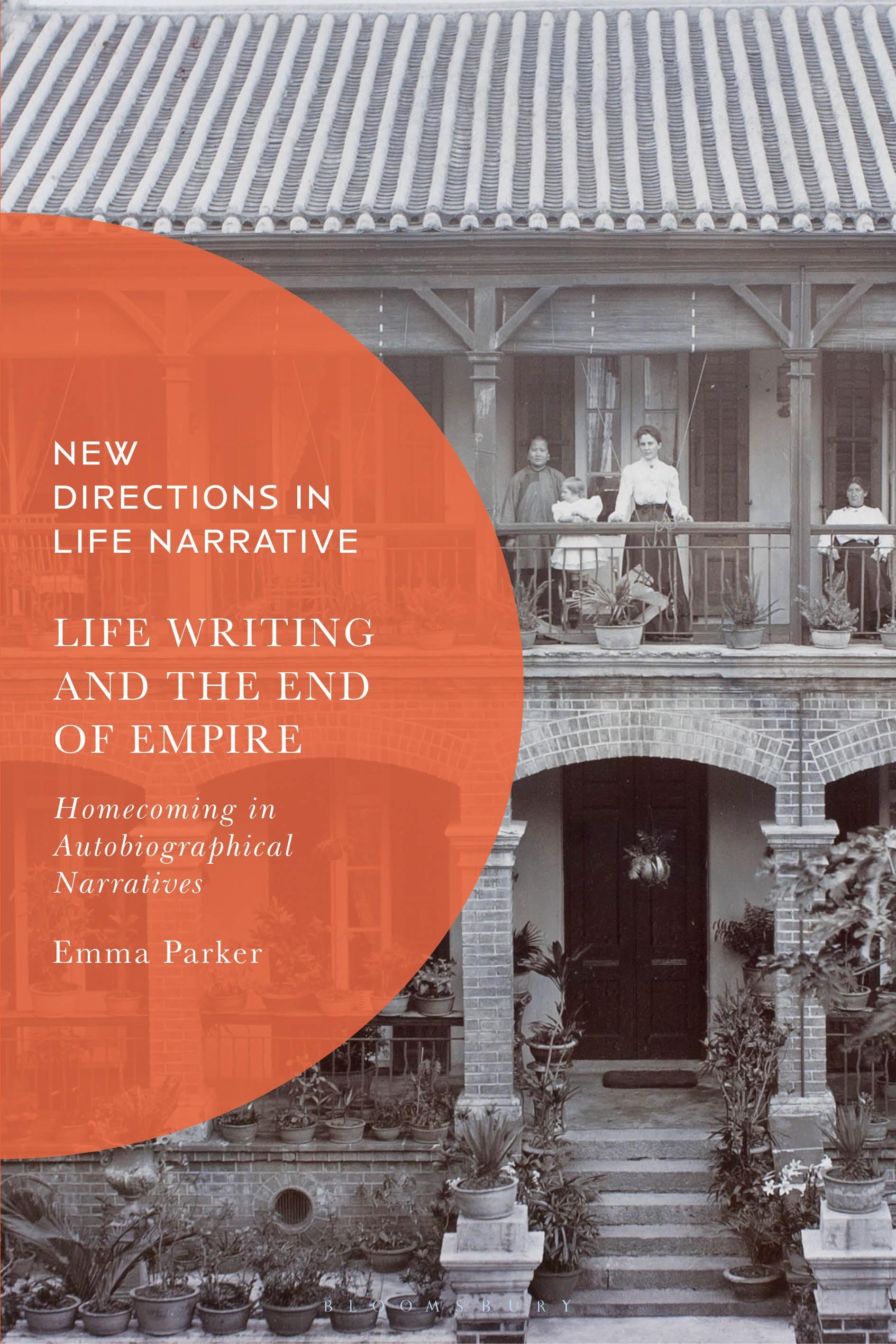
Winner of the British Association of Contemporary Literary Studies Monograph Prize 2025 and the 2025 Literary Encyclopedia Book Prize.
The dismantlement of the British Empire had a profound impact on many celebrated white Anglophone writers of the twentieth century, particularly those who were raised in former British colonial territories and returned to the metropole after the Second World War. Formal decolonisation meant that these authors were unable to 'go home' to their colonial childhoods, a historical juncture with profound consequences for how they wrote and recorded their own lives.
Moving beyond previous discussions of imperial and colonial nostalgia, Life Writing and the End of Empire is the first critical study of white memoirists and autobiographers who rewrote their memories of empire across numerous life narratives. By focussing on these processual homecomings, Emma Parker's study asks what it means to be 'at home' in memories of empire, whether in the settler farms of Southern Rhodesia, or amidst the neon lights of Shanghai's International Settlement. These discussions trace the legacies of empire to the habitations and detritus of everyday life, from mansions and modest railway huts, to empty swimming pools, heirlooms, and photograph albums.
Exploring works by Penelope Lively, J. G. Ballard, Doris Lessing, and Janet Frame, this study establishes new connections between authors usually discussed for their fiction, and who have been hitherto unrecognised as post-imperial life writers. Offering close, sustained analysis of autobiographies, memoirs, travel narratives, and autofictions, and identifying new subgenres such as 'speculative life writing', this book advances rich new readings of autobiographical narrative. By tracing the continuing importance of colonialism to white subjectivity, the role of imperial memory in Britain, and the ways that these unsettling forces move beneath the surface of modern and contemporary literature, this study offers new conceptual insights to the fields of life writing and postcolonial studies.
The dismantlement of the British Empire had a profound impact on many celebrated white Anglophone writers of the twentieth century, particularly those who were raised in former British colonial territories and returned to the metropole after the Second World War. Formal decolonisation meant that these authors were unable to 'go home' to their colonial childhoods, a historical juncture with profound consequences for how they wrote and recorded their own lives.
Moving beyond previous discussions of imperial and colonial nostalgia, Life Writing and the End of Empire is the first critical study of white memoirists and autobiographers who rewrote their memories of empire across numerous life narratives. By focussing on these processual homecomings, Emma Parker's study asks what it means to be 'at home' in memories of empire, whether in the settler farms of Southern Rhodesia, or amidst the neon lights of Shanghai's International Settlement. These discussions trace the legacies of empire to the habitations and detritus of everyday life, from mansions and modest railway huts, to empty swimming pools, heirlooms, and photograph albums.
Exploring works by Penelope Lively, J. G. Ballard, Doris Lessing, and Janet Frame, this study establishes new connections between authors usually discussed for their fiction, and who have been hitherto unrecognised as post-imperial life writers. Offering close, sustained analysis of autobiographies, memoirs, travel narratives, and autofictions, and identifying new subgenres such as 'speculative life writing', this book advances rich new readings of autobiographical narrative. By tracing the continuing importance of colonialism to white subjectivity, the role of imperial memory in Britain, and the ways that these unsettling forces move beneath the surface of modern and contemporary literature, this study offers new conceptual insights to the fields of life writing and postcolonial studies.
Paga fácilmente con tarjeta, Klarna, Apple Pay o Google Pay. ¿No estás contento? Siempre tienes 14 días de garantía de devolución. Lee más en nuestros términos. Si tienes preguntas, escríbenos a hello@memmo.org.
Memmo hace que estudiar sea más fácil, estés donde estés. Aquí tienes tus libros de texto y herramientas de estudio inteligentes en un solo lugar: resúmenes, quizzes, podcasts y flashcards. Y también a Ted, tu compañero de estudio que responde a todo lo que te preguntes. Más de 50 000 estudiantes ya estudian aquí. Está hecho para que aprendas más rápido y te estreses menos.