
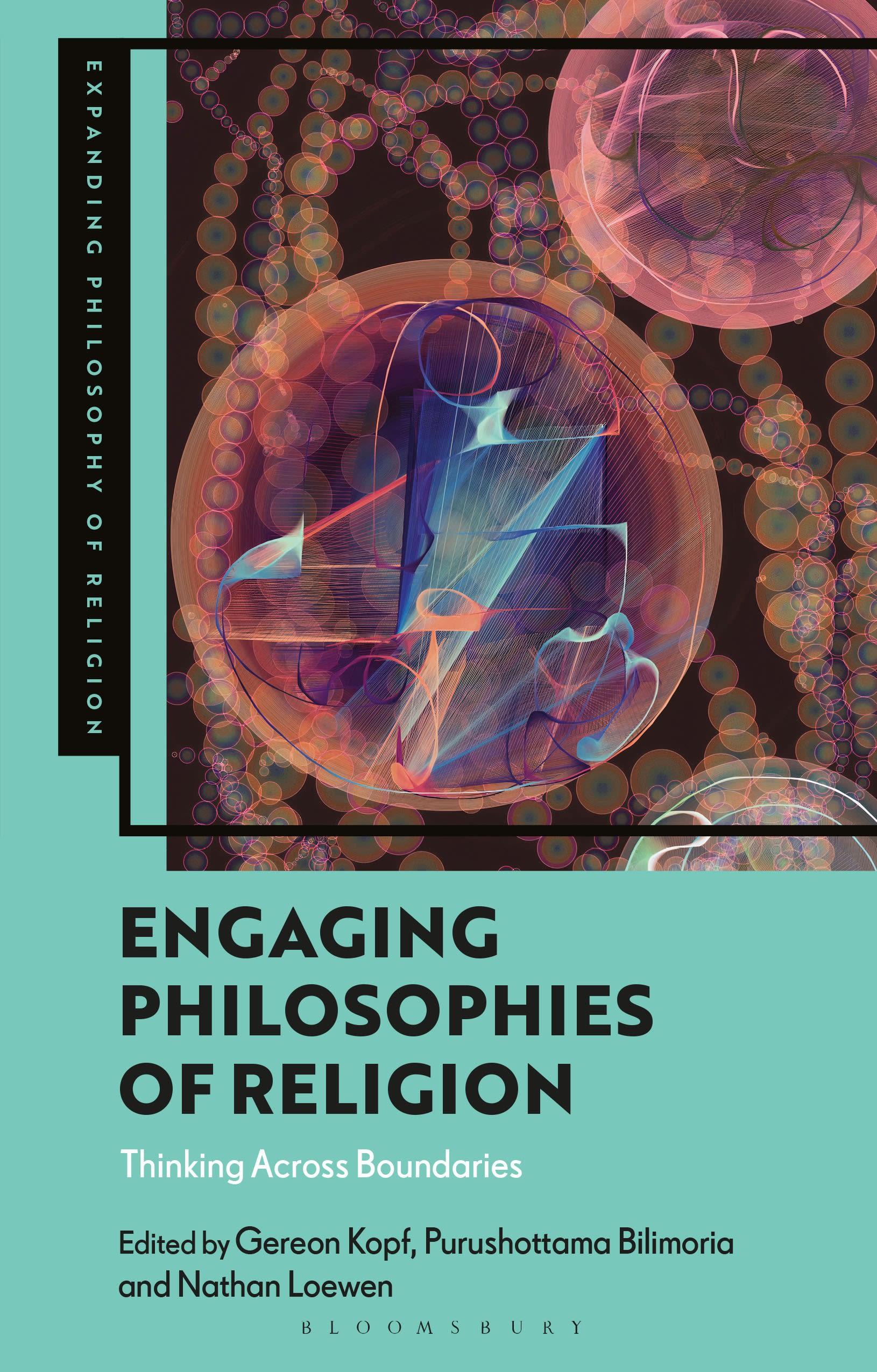
How can philosophy of religion become more diverse in content and method? How can we take a multiplicity of stories into account and teach a truly inclusive philosophy of religion?
It is now openly acknowledged that if we do not change the underlying framework of the way we do philosophy of religion, we will always create subalterns. Here is an invitation to rethink Philosophy of Religion. Engaging with texts and thinkers from multiple traditions, this book offers 18 distinct approaches to doing Philosophy of Religion and presents an opportunity to change Philosophy of Religion at a fundamental level.
Drawing on religions and philosophies from across history and around the world, each chapter outlines a framework for approaching religion from a different standpoint: monotheism in Christianity, Qi in Daoism, embodiment in neuroscience, naturalism in the atheism debates, and non-territorialism in 19th-century debates on cartography.
Contributors identify the many philosophical systems that guide metaphysical and moral truths and adhere to the principle that traditions are not monolithic but diverse. They recognise that categories such as “indigenous religions” are political rather than descriptive in nature.
Innovative and forward-looking, this collection constructs a new method and terminology that promotes active interaction. It is essential reading for students and teachers looking for a new way of doing Philosophy of Religion.
It is now openly acknowledged that if we do not change the underlying framework of the way we do philosophy of religion, we will always create subalterns. Here is an invitation to rethink Philosophy of Religion. Engaging with texts and thinkers from multiple traditions, this book offers 18 distinct approaches to doing Philosophy of Religion and presents an opportunity to change Philosophy of Religion at a fundamental level.
Drawing on religions and philosophies from across history and around the world, each chapter outlines a framework for approaching religion from a different standpoint: monotheism in Christianity, Qi in Daoism, embodiment in neuroscience, naturalism in the atheism debates, and non-territorialism in 19th-century debates on cartography.
Contributors identify the many philosophical systems that guide metaphysical and moral truths and adhere to the principle that traditions are not monolithic but diverse. They recognise that categories such as “indigenous religions” are political rather than descriptive in nature.
Innovative and forward-looking, this collection constructs a new method and terminology that promotes active interaction. It is essential reading for students and teachers looking for a new way of doing Philosophy of Religion.
Páginas: 368
Categoría: Religion & Teologi
e-ISBN: 9781350348882
Peso de envío: 1.2 kg
Envío en: 1-2 días
Paga fácilmente con tarjeta, Klarna, Apple Pay o Google Pay. ¿No estás contento? Siempre tienes 14 días de garantía de devolución. Lee más en nuestros términos. Si tienes preguntas, escríbenos a hello@memmo.org.
Memmo hace que estudiar sea más fácil, estés donde estés. Aquí tienes tus libros de texto y herramientas de estudio inteligentes en un solo lugar: resúmenes, quizzes, podcasts y flashcards. Y también a Ted, tu compañero de estudio que responde a todo lo que te preguntes. Más de 50 000 estudiantes ya estudian aquí. Está hecho para que aprendas más rápido y te estreses menos.