
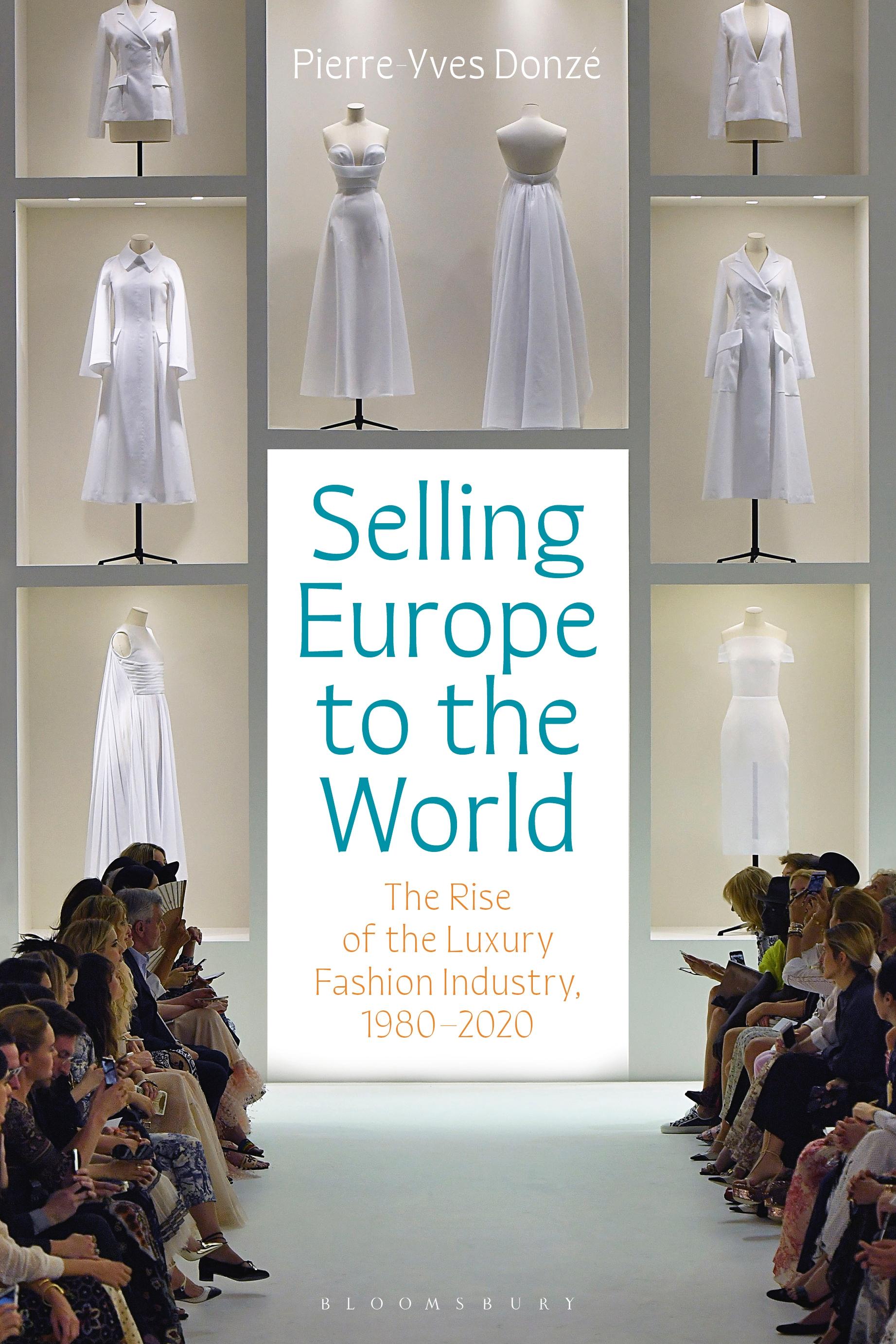
Chanel suits, Louis Vuitton bags and Omega watches are now objects that embody a globalized material culture. Over the past 30 years, the luxury goods industry has undergone a tremendous expansion around the world. However, it remains largely dominated by European companies, ranging from diversified conglomerates such as LVMH and Richemont to independent companies such as the Italian fashion houses Armani and Ermenegildo Zegna, and industrial groups like Swatch and L'Oréal or new start-ups such as Richard Mille. How and why did these companies succeed? How did they manage to transform a sector previously dominated by small family firms into a global big business?
Selling Europe to the World presents the development of the global luxury goods industry from the 1980s to the present day. It highlights the strategies implemented by a new generation of entrepreneurs and explains, beyond the glamorous image conveyed by luxury brands, the sources of success of these firms. An essential book for understanding the success of the contemporary luxury industry.
Selling Europe to the World presents the development of the global luxury goods industry from the 1980s to the present day. It highlights the strategies implemented by a new generation of entrepreneurs and explains, beyond the glamorous image conveyed by luxury brands, the sources of success of these firms. An essential book for understanding the success of the contemporary luxury industry.
Paga fácilmente con tarjeta, Klarna, Apple Pay o Google Pay. ¿No estás contento? Siempre tienes 14 días de garantía de devolución. Lee más en nuestros términos. Si tienes preguntas, escríbenos a hello@memmo.org.
Memmo hace que estudiar sea más fácil, estés donde estés. Aquí tienes tus libros de texto y herramientas de estudio inteligentes en un solo lugar: resúmenes, quizzes, podcasts y flashcards. Y también a Ted, tu compañero de estudio que responde a todo lo que te preguntes. Más de 50 000 estudiantes ya estudian aquí. Está hecho para que aprendas más rápido y te estreses menos.