
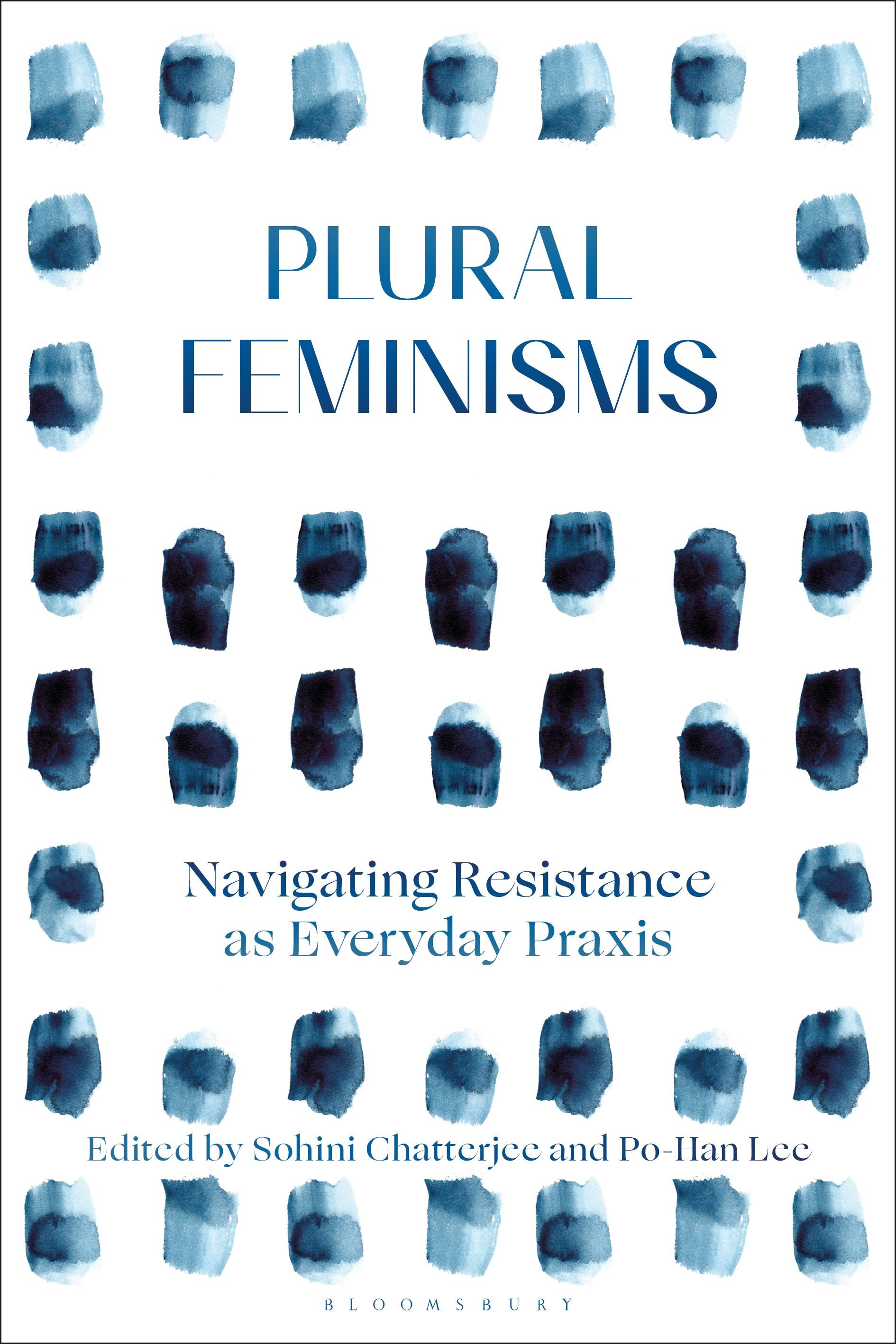
Drawing on different understandings of feminisms, this volume archives the ways in which we engage with feminisms and imagine the mundane as a feminist site of resistance against multiple and intersectional marginalisation and oppression. How individual subjects come to their feminist praxis through autoethnographic and other qualitative accounts, and how they offer resistant and decolonial strategies via reflection on their lived and embodied realities.
Plural Feminisms spurs a discussion on how structural violence is identified and resisted, and the invisible and emotional labour that goes on behind this resistance. The book documents the resistance strategies feminists employ on a daily basis to survive, and to form and sustain dissident kinships, that remain unread, unheard, overlooked, and excluded from dominant discourses of being and becoming. Through autoethnography, feminist, queer and/or trans and genderqueer, indigenous, Black and racialised, disabled and neurodivergent scholars in the academy reflect on their engagement with feminisms as well as their unique resistance methods-embracing and exploring complexities and challenges that both entail. It foregrounds the critical importance of first-person narratives in developing an expansive understanding of what it means to be a feminist, the different narratives and forms that resistance takes, and the socio-cultural value of subversion.
Plural Feminisms spurs a discussion on how structural violence is identified and resisted, and the invisible and emotional labour that goes on behind this resistance. The book documents the resistance strategies feminists employ on a daily basis to survive, and to form and sustain dissident kinships, that remain unread, unheard, overlooked, and excluded from dominant discourses of being and becoming. Through autoethnography, feminist, queer and/or trans and genderqueer, indigenous, Black and racialised, disabled and neurodivergent scholars in the academy reflect on their engagement with feminisms as well as their unique resistance methods-embracing and exploring complexities and challenges that both entail. It foregrounds the critical importance of first-person narratives in developing an expansive understanding of what it means to be a feminist, the different narratives and forms that resistance takes, and the socio-cultural value of subversion.
Paga fácilmente con tarjeta, Klarna, Apple Pay o Google Pay. ¿No estás contento? Siempre tienes 14 días de garantía de devolución. Lee más en nuestros términos. Si tienes preguntas, escríbenos a hello@memmo.org.
Memmo hace que estudiar sea más fácil, estés donde estés. Aquí tienes tus libros de texto y herramientas de estudio inteligentes en un solo lugar: resúmenes, quizzes, podcasts y flashcards. Y también a Ted, tu compañero de estudio que responde a todo lo que te preguntes. Más de 50 000 estudiantes ya estudian aquí. Está hecho para que aprendas más rápido y te estreses menos.