
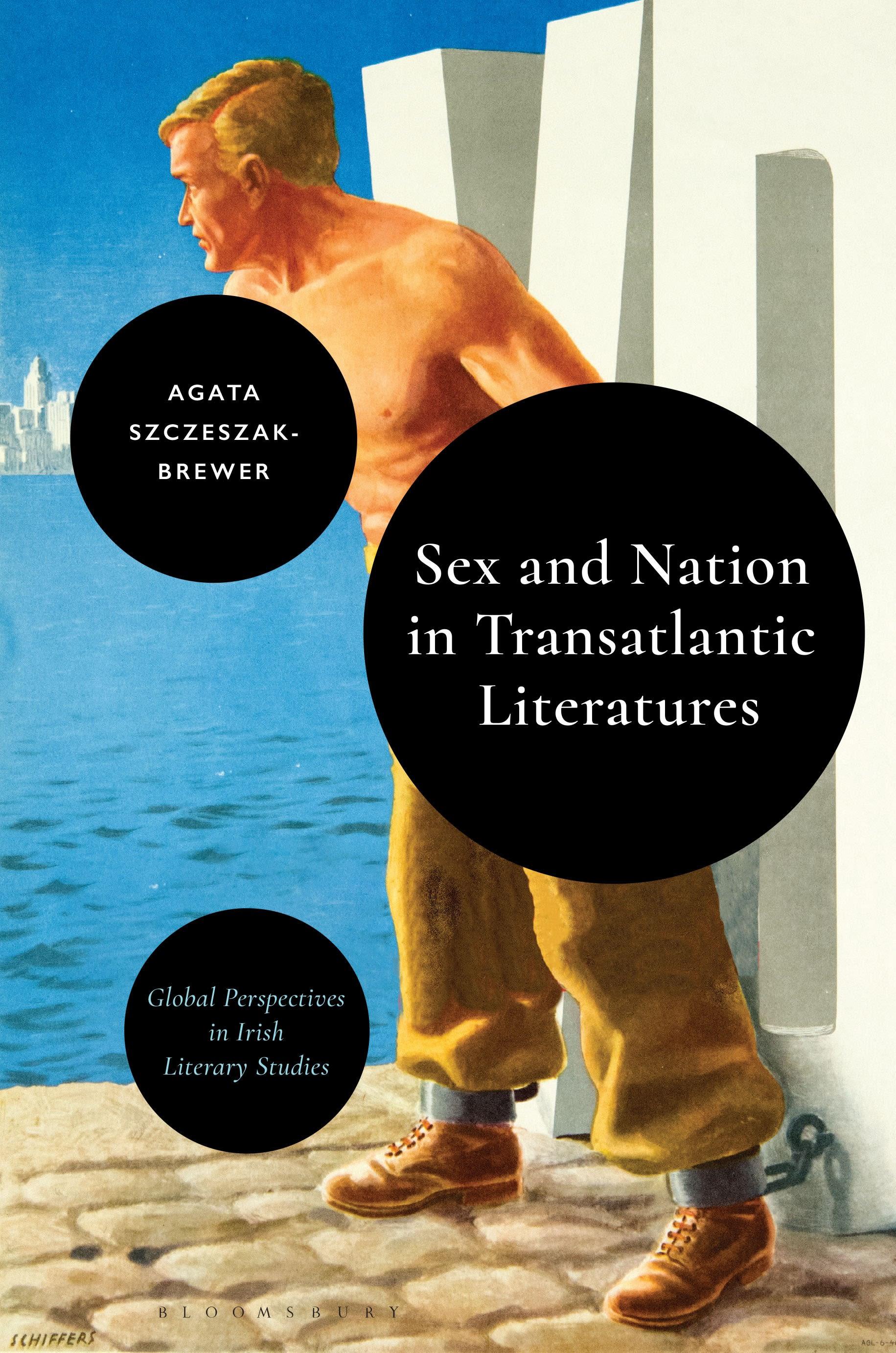
Nationalist and tribal cohesion in Ireland, South Africa, the US, and elsewhere often relies on an absence of female and gender-nonconforming bodies in the public life.
Staging a vital counter-narrative to global nationalist discourses, this book explores how 20th and 21st-century postcolonial literatures criticize hetero-normative definitions of nationhood across different geopolitical and cultural contexts.
Szczeszak-Brewer delves into the metaphorical currency of male impotence and sexual aggression in nationalist narratives. She examines the place of gender-nonconforming characters in literature from Ireland, the US, Poland, France, Britain, South Africa, and Senegal, in the work of writers including: James Joyce, Witold Gombrowicz, Jean Toomer, Bessie Head, Zoë Wicomb, J. M. Coetzee, Andrea Levy, Patrick McCabe, and David Diop.
Aligning queer and gender perspectives with discussions of white supremacy, this book examines the urgency for contemporary geopolitics to imagine new discourses of community against the backdrop of a rise in neo-nationalisms steeped in homophobic and misogynistic rhetoric.
Staging a vital counter-narrative to global nationalist discourses, this book explores how 20th and 21st-century postcolonial literatures criticize hetero-normative definitions of nationhood across different geopolitical and cultural contexts.
Szczeszak-Brewer delves into the metaphorical currency of male impotence and sexual aggression in nationalist narratives. She examines the place of gender-nonconforming characters in literature from Ireland, the US, Poland, France, Britain, South Africa, and Senegal, in the work of writers including: James Joyce, Witold Gombrowicz, Jean Toomer, Bessie Head, Zoë Wicomb, J. M. Coetzee, Andrea Levy, Patrick McCabe, and David Diop.
Aligning queer and gender perspectives with discussions of white supremacy, this book examines the urgency for contemporary geopolitics to imagine new discourses of community against the backdrop of a rise in neo-nationalisms steeped in homophobic and misogynistic rhetoric.
Páginas: 248
Categoría: Kultur-, Genus- & Postkoloniala studier
e-ISBN: 9781350323353
Peso de envío: 1.2 kg
Envío en: 1-2 días
Paga fácilmente con tarjeta, Klarna, Apple Pay o Google Pay. ¿No estás contento? Siempre tienes 14 días de garantía de devolución. Lee más en nuestros términos. Si tienes preguntas, escríbenos a hello@memmo.org.
Memmo hace que estudiar sea más fácil, estés donde estés. Aquí tienes tus libros de texto y herramientas de estudio inteligentes en un solo lugar: resúmenes, quizzes, podcasts y flashcards. Y también a Ted, tu compañero de estudio que responde a todo lo que te preguntes. Más de 50 000 estudiantes ya estudian aquí. Está hecho para que aprendas más rápido y te estreses menos.