
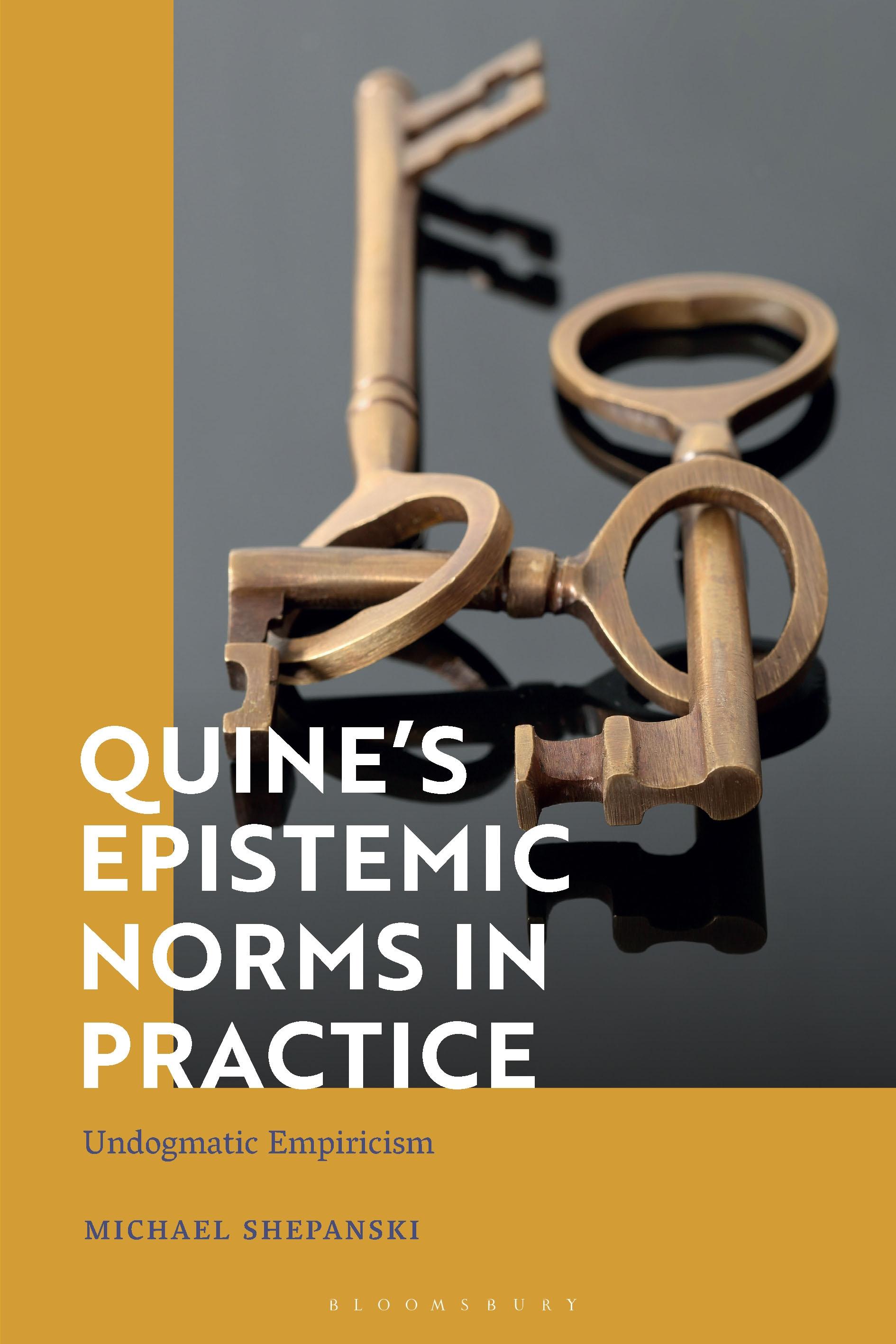
In this illuminating guide to the criteria of rational theorizing, Michael Shepanski identifies, defends and applies W. V. Quine's epistemic norms – the norms that best explain Quine's decisions to accept some theories and not others.
Parts I and II set out the doctrines of this epistemology, demonstrating their potential for philosophical application. Part III is a case study in which Shepanski develops a theory of the propositional attitudes by the method of formalizing inferences to behaviour. He presents critiques of popular alternative views, including foundationalism, the centrality of knowledge and Quine's own epistemological naturalism.
By reassessing Quine's normative epistemology, Shepanski advances our understanding of Quine's philosophy whilst providing a guide for our own theorizing.
Parts I and II set out the doctrines of this epistemology, demonstrating their potential for philosophical application. Part III is a case study in which Shepanski develops a theory of the propositional attitudes by the method of formalizing inferences to behaviour. He presents critiques of popular alternative views, including foundationalism, the centrality of knowledge and Quine's own epistemological naturalism.
By reassessing Quine's normative epistemology, Shepanski advances our understanding of Quine's philosophy whilst providing a guide for our own theorizing.
Paga fácilmente con tarjeta, Klarna, Apple Pay o Google Pay. ¿No estás contento? Siempre tienes 14 días de garantía de devolución. Lee más en nuestros términos. Si tienes preguntas, escríbenos a hello@memmo.org.
Memmo hace que estudiar sea más fácil, estés donde estés. Aquí tienes tus libros de texto y herramientas de estudio inteligentes en un solo lugar: resúmenes, quizzes, podcasts y flashcards. Y también a Ted, tu compañero de estudio que responde a todo lo que te preguntes. Más de 50 000 estudiantes ya estudian aquí. Está hecho para que aprendas más rápido y te estreses menos.