
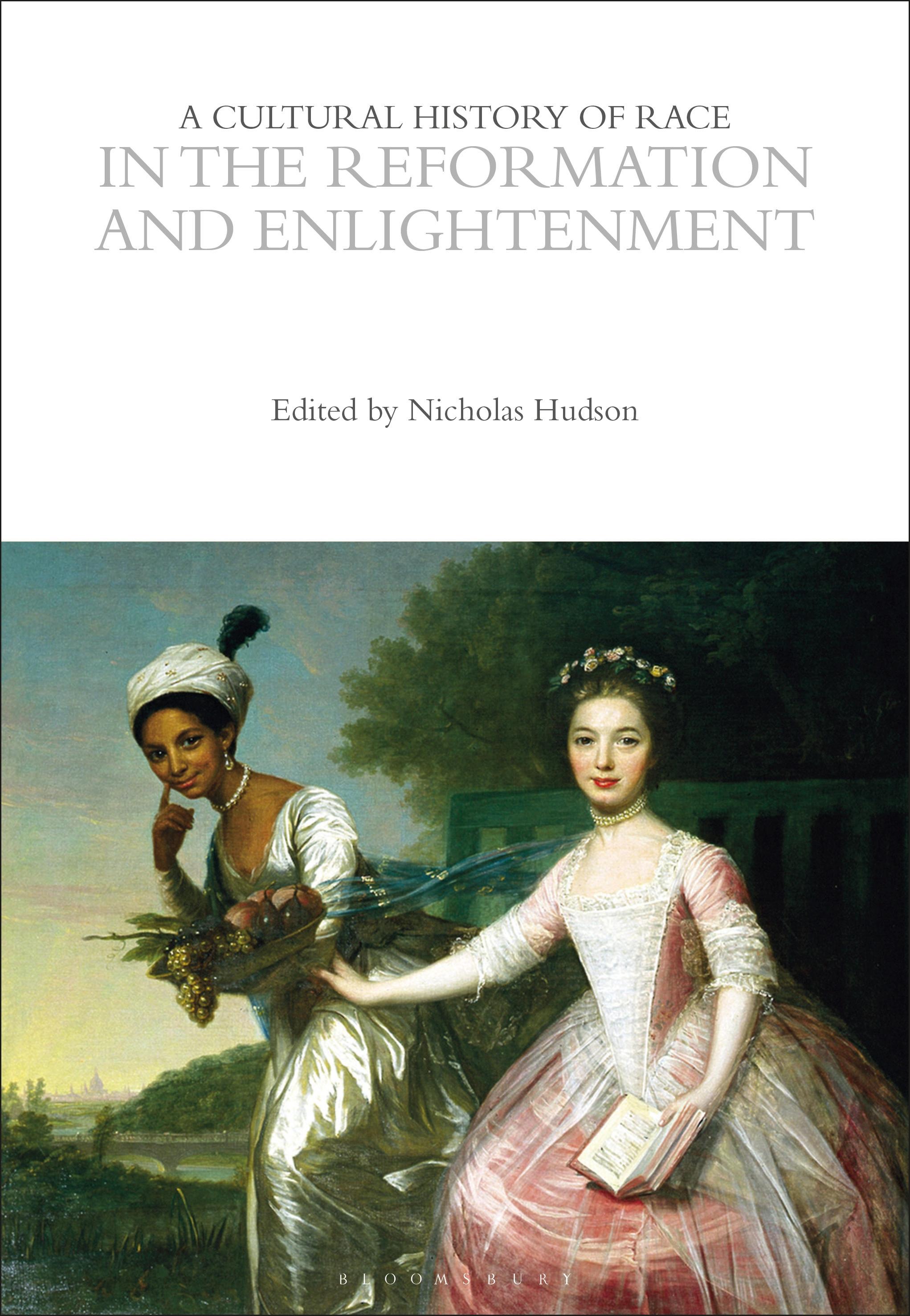
The period between the 16th and 18th centuries witnessed the expansion of European travel, trade and colonization around the globe, resulting in greatly increased contact between Westerners and peoples throughout the rest of the world. With the rise of print and the commercial book market, Europeans avidly consumed reports of the outside world and its various peoples, often in distorted or fictional forms. With the consolidation of new empirical science and taxonomy, prejudice against peoples of different colours and cultures during the 16th and 17th centuries became more systematic, giving rise to the doctrines of race 'science.' Although humanitarianism and the idea of human rights also flourished, inspiring the campaign to abolish the slave trade, this movement did not hinder imperialist expansion and the belief that humans could be ranked in a hierarchy that authorized White domination.
The essays in this volume trace the complex pattern of intellectual and cultural change from popular bigotry in the Age of Shakespeare to the racial categories developed in the works of Buffon and Kant. These essays also link changes in racial thinking to other trends during this age. The development of modern ideas of race corresponded with emerging conceptions of the nation state; new acceptance of religious diversity became linked with speculations on racial diversity; transforming ideologies of gender and sexuality overlapped in crucial ways with developing racial attitudes. In many ways, the period between the Reformation and Enlightenment laid the foundations for modern racial thinking, generating issues and conflicts that still haunt us today.
The essays in this volume trace the complex pattern of intellectual and cultural change from popular bigotry in the Age of Shakespeare to the racial categories developed in the works of Buffon and Kant. These essays also link changes in racial thinking to other trends during this age. The development of modern ideas of race corresponded with emerging conceptions of the nation state; new acceptance of religious diversity became linked with speculations on racial diversity; transforming ideologies of gender and sexuality overlapped in crucial ways with developing racial attitudes. In many ways, the period between the Reformation and Enlightenment laid the foundations for modern racial thinking, generating issues and conflicts that still haunt us today.
Paga fácilmente con tarjeta, Klarna, Apple Pay o Google Pay. ¿No estás contento? Siempre tienes 14 días de garantía de devolución. Lee más en nuestros términos. Si tienes preguntas, escríbenos a hello@memmo.org.
Memmo hace que estudiar sea más fácil, estés donde estés. Aquí tienes tus libros de texto y herramientas de estudio inteligentes en un solo lugar: resúmenes, quizzes, podcasts y flashcards. Y también a Ted, tu compañero de estudio que responde a todo lo que te preguntes. Más de 50 000 estudiantes ya estudian aquí. Está hecho para que aprendas más rápido y te estreses menos.