
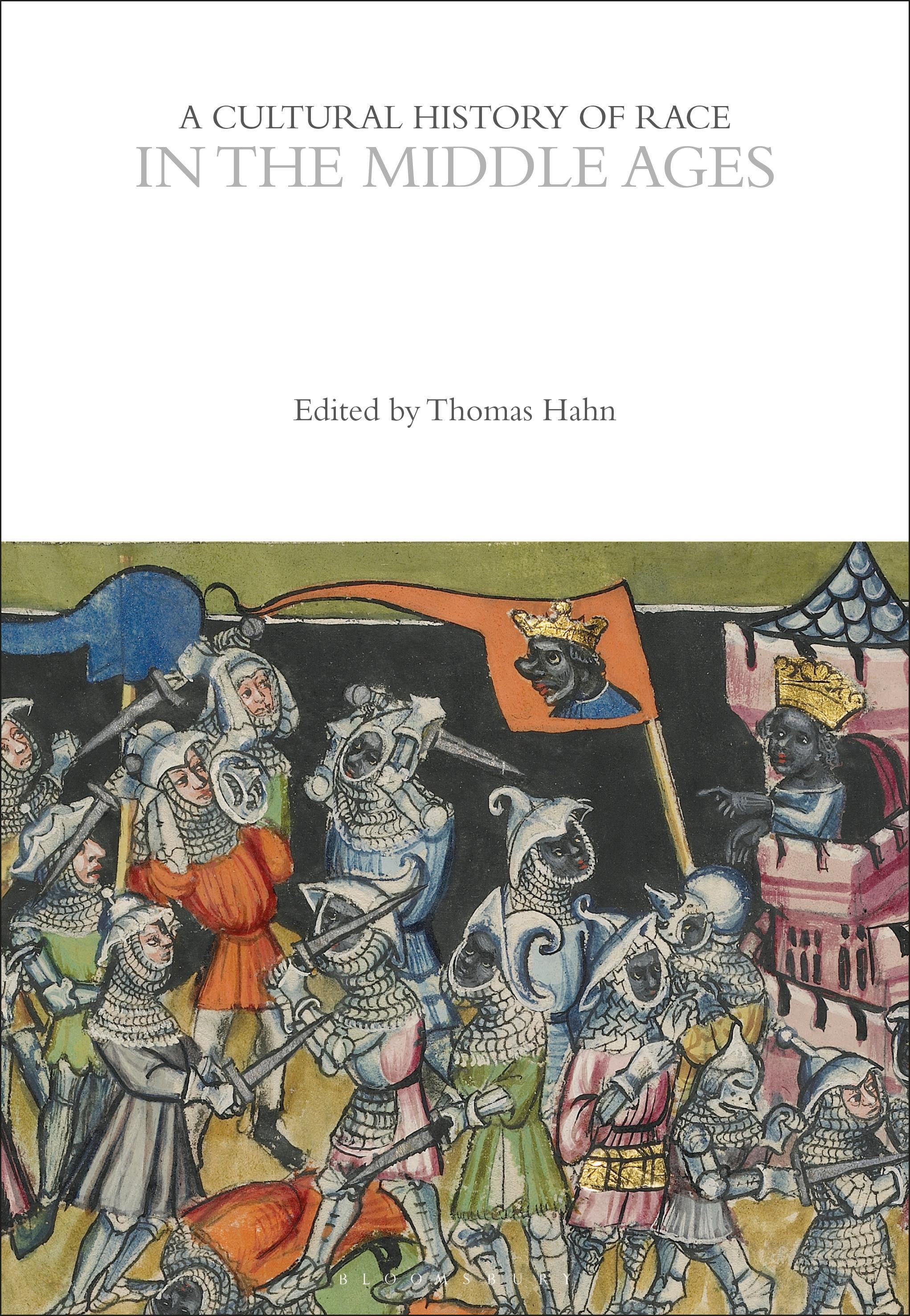
This volume presents a comprehensive and collaborative survey of how people, individually and within collective entities, thought about, experienced, and enacted racializing differences. Addressing events, texts, and images from the 5th to the 16th centuries, these essays by ten eminent scholars provide broad, multi-disciplinary analyses of materials whose origins range from the British Isles, Western Iberia, and North Africa across Western and Eastern Europe to the Middle East. These diverse communities possessed no single word equivalent to modern race, a term (raza) for genetic, religious, cultural, or territorial difference that emerges only at the end of the medieval period.
Chapter by chapter, this volume nonetheless demonstrates the manifold beliefs, practices, institutions, and images that conveyed and enforced difference for the benefit of particular groups and to the detriment of others. Addressing the varying historiographical self-consciousness concerning race among medievalist scholars themselves, the separate analyses make use of paradigms drawn from social and political history, religious, environmental, literary, ethnic, and gender studies, the history of art and of science, and critical race theory. Chapters identify the eruption of racial discourses aroused by political or religious polemic, centered upon conversion within and among Jewish, Christian, and Islamic communions, and inspired by imagined or sustained contact with alien peoples. Authors draw their evidence from Hebrew, Latin, Arabic, and a profusion of European vernaculars, and provide searching examinations of visual artefacts ranging from religious service books to maps, mosaics, and manuscript illuminations
Chapter by chapter, this volume nonetheless demonstrates the manifold beliefs, practices, institutions, and images that conveyed and enforced difference for the benefit of particular groups and to the detriment of others. Addressing the varying historiographical self-consciousness concerning race among medievalist scholars themselves, the separate analyses make use of paradigms drawn from social and political history, religious, environmental, literary, ethnic, and gender studies, the history of art and of science, and critical race theory. Chapters identify the eruption of racial discourses aroused by political or religious polemic, centered upon conversion within and among Jewish, Christian, and Islamic communions, and inspired by imagined or sustained contact with alien peoples. Authors draw their evidence from Hebrew, Latin, Arabic, and a profusion of European vernaculars, and provide searching examinations of visual artefacts ranging from religious service books to maps, mosaics, and manuscript illuminations
Paga fácilmente con tarjeta, Klarna, Apple Pay o Google Pay. ¿No estás contento? Siempre tienes 14 días de garantía de devolución. Lee más en nuestros términos. Si tienes preguntas, escríbenos a hello@memmo.org.
Memmo hace que estudiar sea más fácil, estés donde estés. Aquí tienes tus libros de texto y herramientas de estudio inteligentes en un solo lugar: resúmenes, quizzes, podcasts y flashcards. Y también a Ted, tu compañero de estudio que responde a todo lo que te preguntes. Más de 50 000 estudiantes ya estudian aquí. Está hecho para que aprendas más rápido y te estreses menos.