
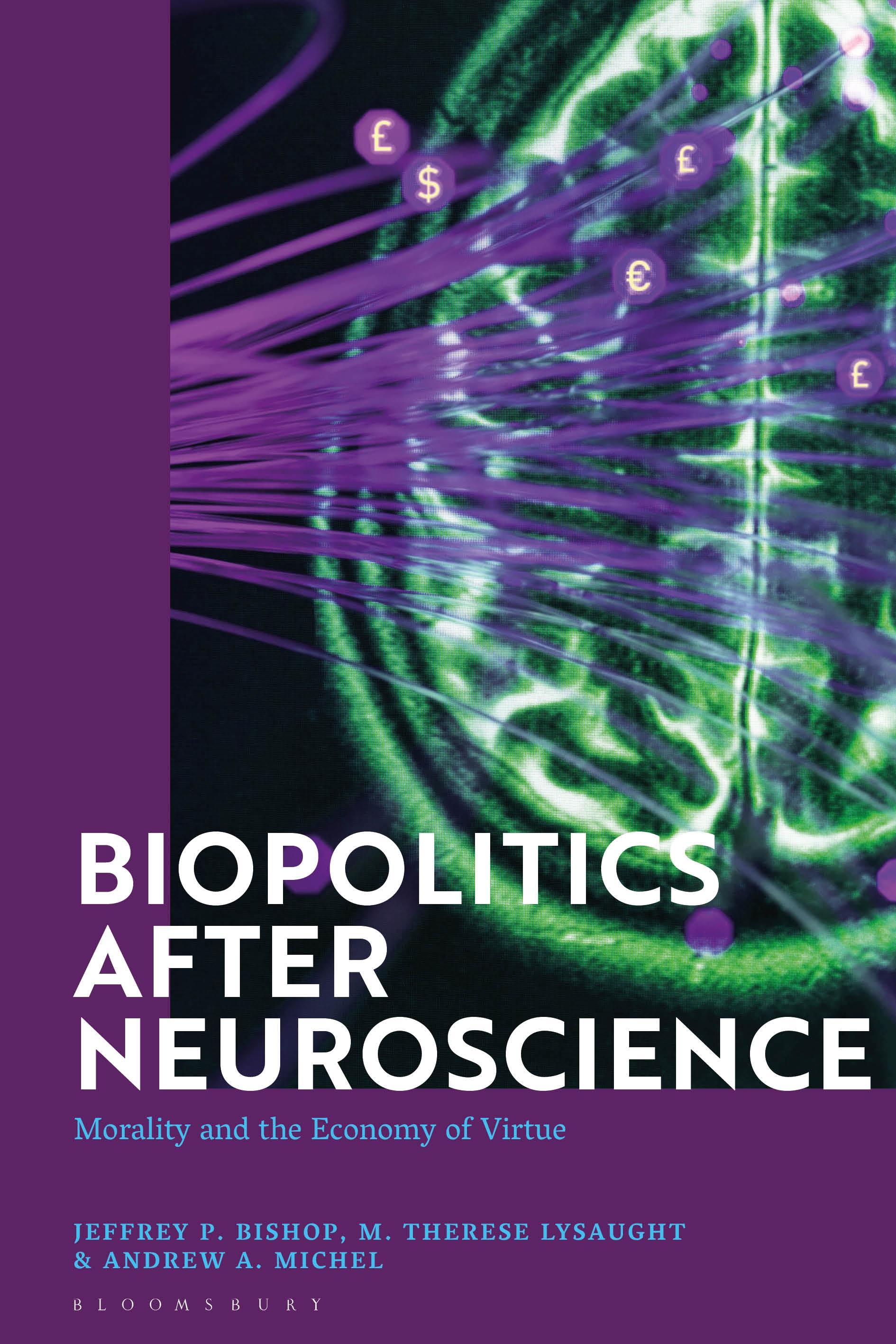
This book offers a provocative analysis of the neuroscience of morality. Written by three leading scholars of science, medicine, and bioethics, it critiques contemporary neuroscientific claims about individual morality and notions of good and evil. Winner of a 2021 prize from the Expanded Reason Institute, it connects moral philosophy to neoliberal economics and successfully challenges the idea that we can locate morality in the brain.
Instead of discovering the source of morality in the brain as they claim to do, the popularizers of contemporary neuroscience are shown to participate in an understanding of human behavior that serves the vested interests of contemporary political economy. Providing evidence that the history of claims about morality and brain function reach back 400 years, the authors locate its genesis in the beginnings of modern philosophy, science, and economics. They further map this trajectory through the economic and moral theories of Francis Bacon, David Hume, Jeremy Bentham, John Stuart Mill, and the Chicago School of Economics to uncover a pervasive colonial anthropology at play in the neuroscience of morality today.
The book concludes with a call for a humbler and more constrained neuroscience, informed by a more robust human anthropology that embraces the nobility, beauty, frailties, and flaws in being human.
Instead of discovering the source of morality in the brain as they claim to do, the popularizers of contemporary neuroscience are shown to participate in an understanding of human behavior that serves the vested interests of contemporary political economy. Providing evidence that the history of claims about morality and brain function reach back 400 years, the authors locate its genesis in the beginnings of modern philosophy, science, and economics. They further map this trajectory through the economic and moral theories of Francis Bacon, David Hume, Jeremy Bentham, John Stuart Mill, and the Chicago School of Economics to uncover a pervasive colonial anthropology at play in the neuroscience of morality today.
The book concludes with a call for a humbler and more constrained neuroscience, informed by a more robust human anthropology that embraces the nobility, beauty, frailties, and flaws in being human.
Paga fácilmente con tarjeta, Klarna, Apple Pay o Google Pay. ¿No estás contento? Siempre tienes 14 días de garantía de devolución. Lee más en nuestros términos. Si tienes preguntas, escríbenos a hello@memmo.org.
Memmo hace que estudiar sea más fácil, estés donde estés. Aquí tienes tus libros de texto y herramientas de estudio inteligentes en un solo lugar: resúmenes, quizzes, podcasts y flashcards. Y también a Ted, tu compañero de estudio que responde a todo lo que te preguntes. Más de 50 000 estudiantes ya estudian aquí. Está hecho para que aprendas más rápido y te estreses menos.