
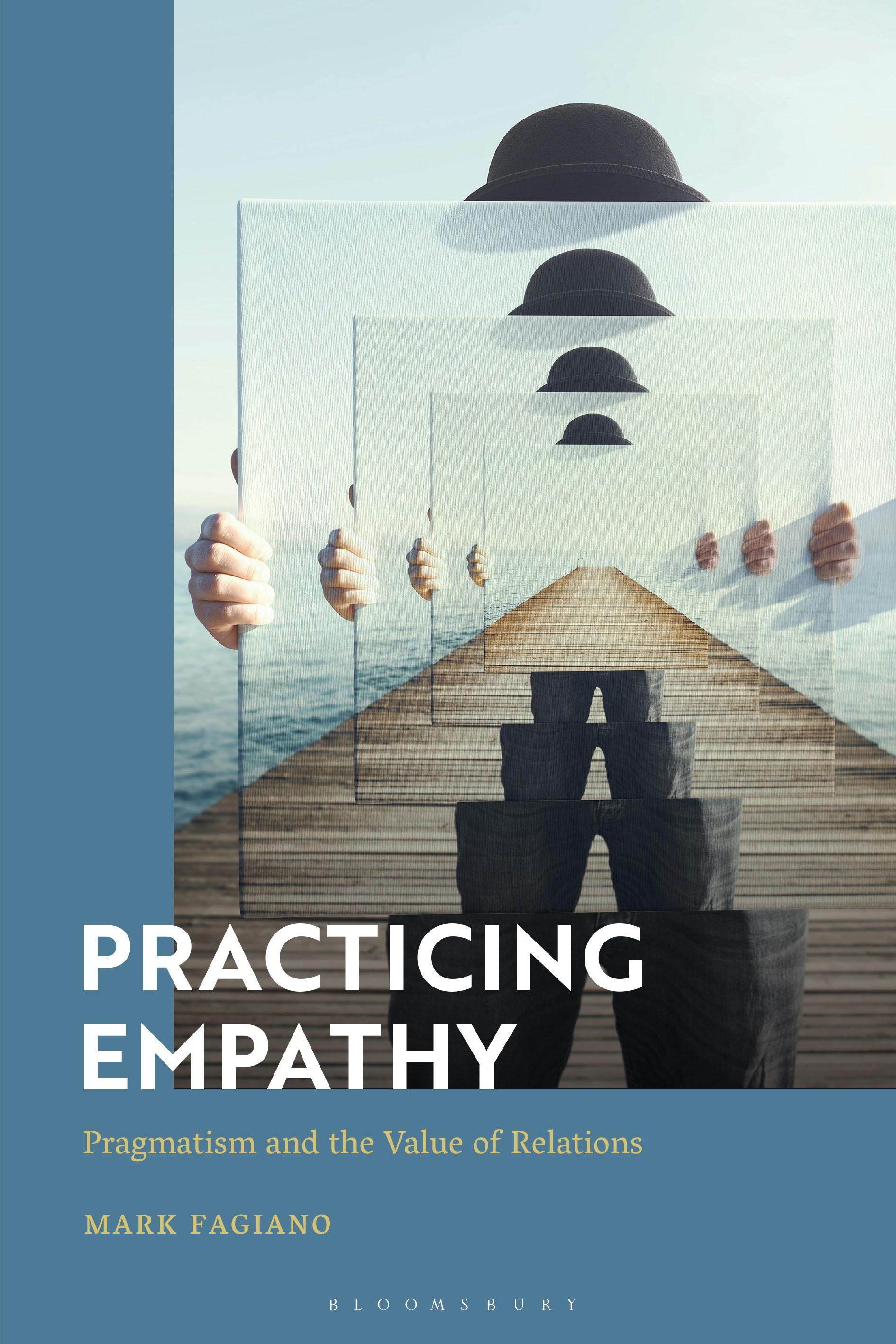
There is widespread disagreement over what constitutes an experience of empathy. In this study of its value and moral features, Mark Fagiano acknowledges the ambiguity surrounding the term and offers a unified theory of empathy that includes rival definitions.
His historical account of the multiple meanings of empathy lays the groundwork for a new philosophical theory. Based on relations, it resolves the problem of conflicting definitions of empathy by distinguishing between the three kinds of empathy: the relations of feeling into, feeling with, and feeling for, each of which has been defined historically as a type of empathy. Fagiano's unique focus on relations, on the modes and manner by which we are connected with things and with people, reveals a transactional account of empathy that can be applied to a variety of different contexts and social circumstances.
Grounded in the philosophical tradition of American Pragmatism, Fagiano's approach demonstrates the practical benefits of adopting a broad and pluralistic understanding of empathy as both an idea and a practice. His pragmatic and contextualist philosophy of empathy provides a valuable starting point for answering some of the most pressing questions surrounding empathy today, including can empathy be developed? Is empathy moral? What is the difference between empathy and sympathy?
His historical account of the multiple meanings of empathy lays the groundwork for a new philosophical theory. Based on relations, it resolves the problem of conflicting definitions of empathy by distinguishing between the three kinds of empathy: the relations of feeling into, feeling with, and feeling for, each of which has been defined historically as a type of empathy. Fagiano's unique focus on relations, on the modes and manner by which we are connected with things and with people, reveals a transactional account of empathy that can be applied to a variety of different contexts and social circumstances.
Grounded in the philosophical tradition of American Pragmatism, Fagiano's approach demonstrates the practical benefits of adopting a broad and pluralistic understanding of empathy as both an idea and a practice. His pragmatic and contextualist philosophy of empathy provides a valuable starting point for answering some of the most pressing questions surrounding empathy today, including can empathy be developed? Is empathy moral? What is the difference between empathy and sympathy?
Paga fácilmente con tarjeta, Klarna, Apple Pay o Google Pay. ¿No estás contento? Siempre tienes 14 días de garantía de devolución. Lee más en nuestros términos. Si tienes preguntas, escríbenos a hello@memmo.org.
Memmo hace que estudiar sea más fácil, estés donde estés. Aquí tienes tus libros de texto y herramientas de estudio inteligentes en un solo lugar: resúmenes, quizzes, podcasts y flashcards. Y también a Ted, tu compañero de estudio que responde a todo lo que te preguntes. Más de 50 000 estudiantes ya estudian aquí. Está hecho para que aprendas más rápido y te estreses menos.