
"This is the peculiar paradox of loneliness: I am unseen yet I feel exposed, as though my most internal suffering were on public display, as though I am disclosing to the world the vulnerability it does not want to see."
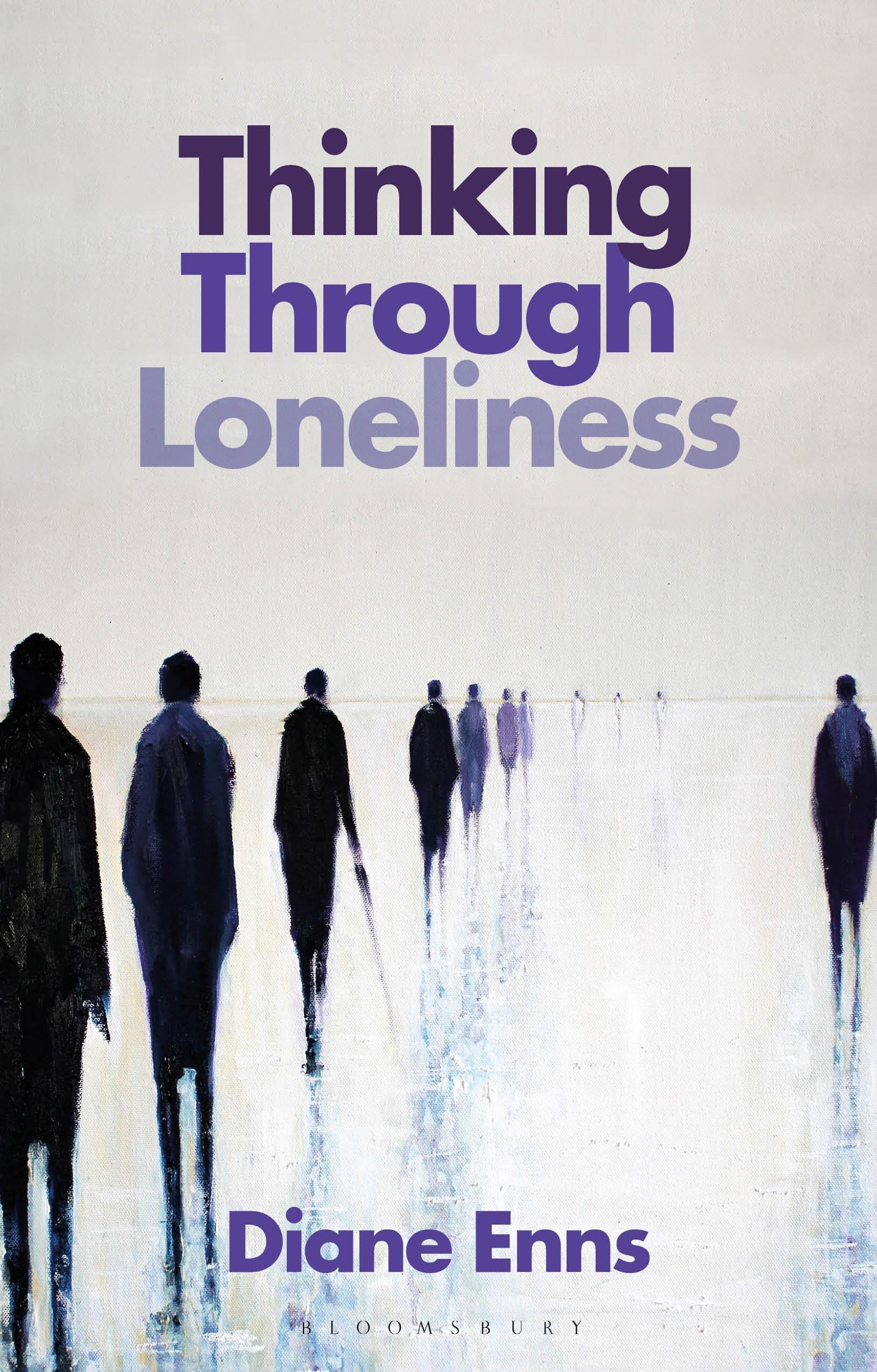
By reflecting on the experience of loneliness through the author's own life, the narratives of others and analyses from Arendt to Berardi, Thinking Through Loneliness explores the ambiguities of being alone. It seeks to defy the reductionist tendencies of the current loneliness experts, looking beyond loneliness as a collective health crisis to consider what it tells us about our great need for one another and what happens when we fail to meet this need. Our social needs vary, however; to investigate loneliness is to inquire into the contradictions of the human condition-we are alone and together, separate and attached-which gives rise to the need for individuality on the one hand, and for intimacy on the other. To be lonely is to suffer from an unfulfilled desire to be close to others. But we can also suffer from an unfulfilled desire to be separate from others.
Diane Enns explores how loneliness might be an inescapable dimension of human existence, but also the collective symptom of social failure. The lonely are not to blame for their distress; they are witnesses to the failure of our contemporary social world, dramatically transformed in recent decades by digital technology, and changes in how we work, love, socialize, and live together in households, neighbourhoods and cities. Enns argues it is crucial to recognise the structural conditions-economic, political, institutional, technological-that give rise to the isolation that produces loneliness. Only then can we work to undermine these conditions, preserving all that is best about human social life.
By reflecting on the experience of loneliness through the author's own life, the narratives of others and analyses from Arendt to Berardi, Thinking Through Loneliness explores the ambiguities of being alone. It seeks to defy the reductionist tendencies of the current loneliness experts, looking beyond loneliness as a collective health crisis to consider what it tells us about our great need for one another and what happens when we fail to meet this need. Our social needs vary, however; to investigate loneliness is to inquire into the contradictions of the human condition-we are alone and together, separate and attached-which gives rise to the need for individuality on the one hand, and for intimacy on the other. To be lonely is to suffer from an unfulfilled desire to be close to others. But we can also suffer from an unfulfilled desire to be separate from others.
Diane Enns explores how loneliness might be an inescapable dimension of human existence, but also the collective symptom of social failure. The lonely are not to blame for their distress; they are witnesses to the failure of our contemporary social world, dramatically transformed in recent decades by digital technology, and changes in how we work, love, socialize, and live together in households, neighbourhoods and cities. Enns argues it is crucial to recognise the structural conditions-economic, political, institutional, technological-that give rise to the isolation that produces loneliness. Only then can we work to undermine these conditions, preserving all that is best about human social life.
Paga fácilmente con tarjeta, Klarna, Apple Pay o Google Pay. ¿No estás contento? Siempre tienes 14 días de garantía de devolución. Lee más en nuestros términos. Si tienes preguntas, escríbenos a hello@memmo.org.
Memmo hace que estudiar sea más fácil, estés donde estés. Aquí tienes tus libros de texto y herramientas de estudio inteligentes en un solo lugar: resúmenes, quizzes, podcasts y flashcards. Y también a Ted, tu compañero de estudio que responde a todo lo que te preguntes. Más de 50 000 estudiantes ya estudian aquí. Está hecho para que aprendas más rápido y te estreses menos.