
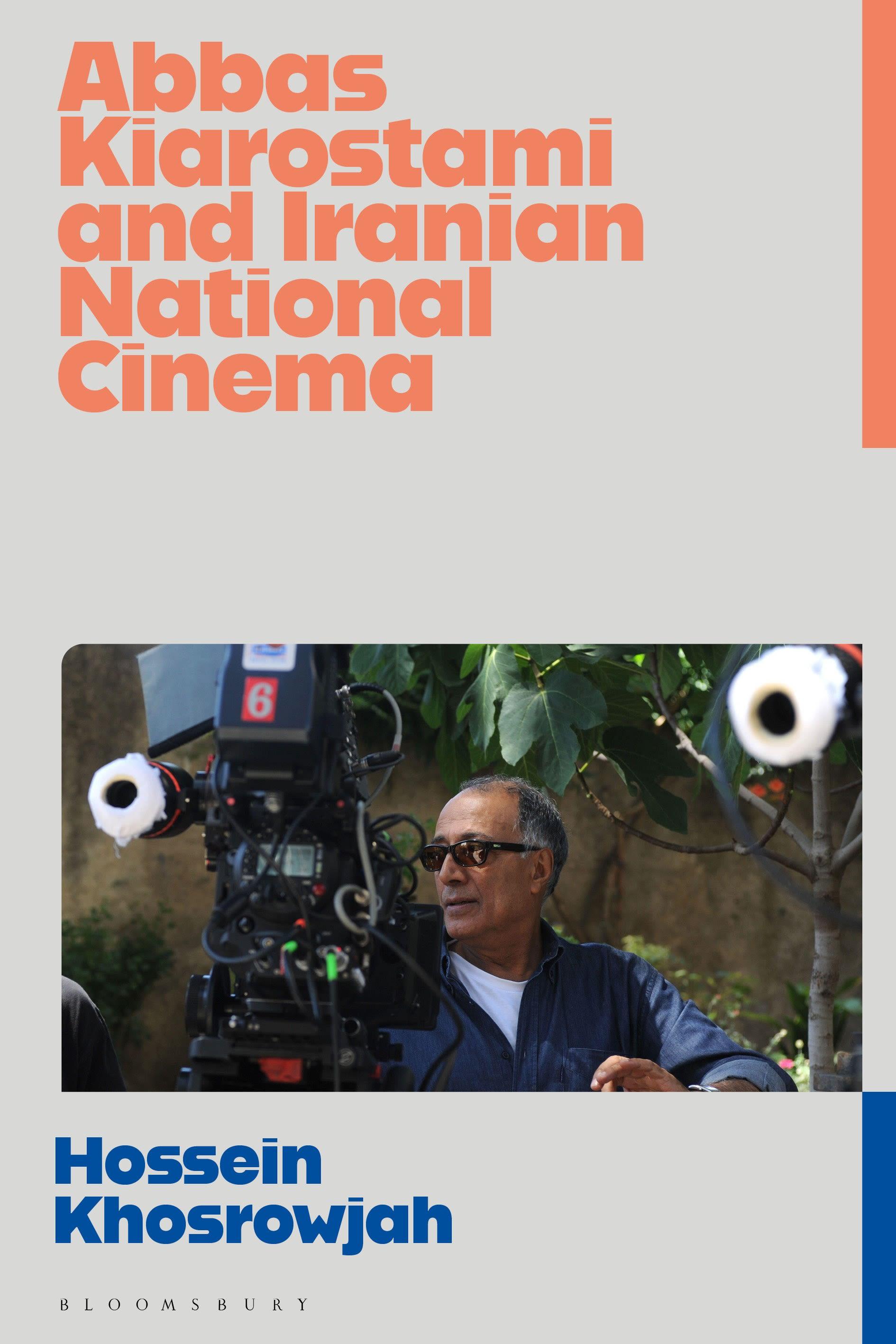
The films of Abbas Kiarostami (1940-2016) are at once ambiguous and singular, challenging easy categorisation in national, generic, and formal terms. In this insightful study, Hossein Khosrowjah provides an in-depth exploration of Kiarostami's body of work, considering how his filmmaking confronts questions of cinematic representation, identity, and the myth of national unity.
Challenging prevailing auteurist readings of Kiarostami's work, Hossein Khosrowjah firmly anchors his filmmaking within the historical context of Iranian national cinema. Through a close reading of key films, including Close-Up (1990), Taste of Cherry (1997), The Wind Will Carry Us (1999), and 10 (2002), he explores Kiarostami's radically anti-allegorical representational strategies. He goes on to examine the national and global circulation of his films, considering the role of censorship within Iran and the intersection of art, politics and the complexities of creative freedom.
He traces the continuing emphasis on partiality and the singularity of representations-of subjects, time, and location-across Kiarostami's films, arguing that it is through this intentional ambiguity that his cinema reshapes notions of nation and national identity, challenges conventions and broadens the scope for cinematic expression.
Challenging prevailing auteurist readings of Kiarostami's work, Hossein Khosrowjah firmly anchors his filmmaking within the historical context of Iranian national cinema. Through a close reading of key films, including Close-Up (1990), Taste of Cherry (1997), The Wind Will Carry Us (1999), and 10 (2002), he explores Kiarostami's radically anti-allegorical representational strategies. He goes on to examine the national and global circulation of his films, considering the role of censorship within Iran and the intersection of art, politics and the complexities of creative freedom.
He traces the continuing emphasis on partiality and the singularity of representations-of subjects, time, and location-across Kiarostami's films, arguing that it is through this intentional ambiguity that his cinema reshapes notions of nation and national identity, challenges conventions and broadens the scope for cinematic expression.
Páginas: 240
Categoría: Film- & Medievetenskap
e-ISBN: 9781350274372
Peso de envío: 1.2 kg
Envío en: 1-2 días
Paga fácilmente con tarjeta, Klarna, Apple Pay o Google Pay. ¿No estás contento? Siempre tienes 14 días de garantía de devolución. Lee más en nuestros términos. Si tienes preguntas, escríbenos a hello@memmo.org.
Memmo hace que estudiar sea más fácil, estés donde estés. Aquí tienes tus libros de texto y herramientas de estudio inteligentes en un solo lugar: resúmenes, quizzes, podcasts y flashcards. Y también a Ted, tu compañero de estudio que responde a todo lo que te preguntes. Más de 50 000 estudiantes ya estudian aquí. Está hecho para que aprendas más rápido y te estreses menos.