
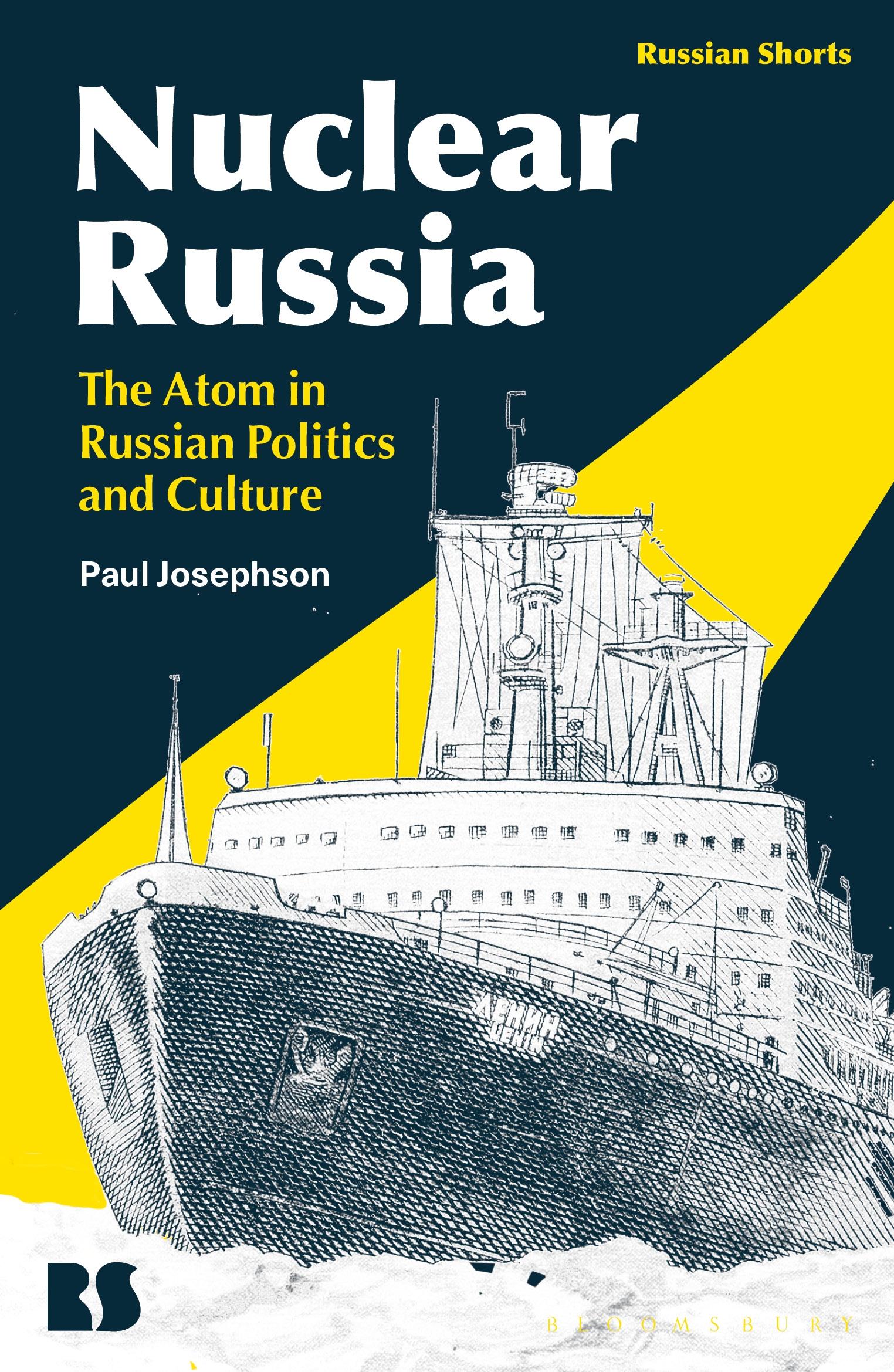
In the first cultural and political history of the Russian nuclear age, Paul Josephson describes the rise of nuclear physics in the USSR, the enthusiastic pursuit of military and peaceful nuclear programs through the Chernobyl disaster and the collapse of the Soviet Union, and the ongoing, self-proclaimed 'renaissance' of nuclear power in Russia in the 21st century. At the height of their power, the Soviets commanded 39,000 nuclear warheads, yet claimed to be servants of the 'peaceful atom' – which they also pursued avidly. This book examines both military and peaceful Soviet and post-Soviet nuclear programs for the long durée – before the war, during the Cold War, and in Russia to the present – whilst also grappling with the political and ideological importance of nuclear technologies, the associated economic goals, the social and environmental costs, and the cultural embrace of nuclear power.
Nuclear Russia probes the juncture of history of science and technology, political and cultural history, and environmental history. It considers the atom in Russian society as a reflection of Leninist technological utopianism, Cold War imperatives, scientific hubris, public acceptance, and a state desire to conquer nature. Furthermore the book examines the vital – and perhaps unexpected – significance of ethnicity and gender in nuclear history by looking at how Kazakhs and Nenets lost their homelands and their health in Russia in the wake of nuclear testing, as well as the surprising sexualization of the taming of the female atom in the Russian 'Miss Atom' contests that commenced in the 21st century.
Nuclear Russia probes the juncture of history of science and technology, political and cultural history, and environmental history. It considers the atom in Russian society as a reflection of Leninist technological utopianism, Cold War imperatives, scientific hubris, public acceptance, and a state desire to conquer nature. Furthermore the book examines the vital – and perhaps unexpected – significance of ethnicity and gender in nuclear history by looking at how Kazakhs and Nenets lost their homelands and their health in Russia in the wake of nuclear testing, as well as the surprising sexualization of the taming of the female atom in the Russian 'Miss Atom' contests that commenced in the 21st century.
Páginas: 160
Categoría: Statsvetenskap & Politik
e-ISBN: 9781350272583
Peso de envío: 1.2 kg
Envío en: 1-2 días
Paga fácilmente con tarjeta, Klarna, Apple Pay o Google Pay. ¿No estás contento? Siempre tienes 14 días de garantía de devolución. Lee más en nuestros términos. Si tienes preguntas, escríbenos a hello@memmo.org.
Memmo hace que estudiar sea más fácil, estés donde estés. Aquí tienes tus libros de texto y herramientas de estudio inteligentes en un solo lugar: resúmenes, quizzes, podcasts y flashcards. Y también a Ted, tu compañero de estudio que responde a todo lo que te preguntes. Más de 50 000 estudiantes ya estudian aquí. Está hecho para que aprendas más rápido y te estreses menos.