
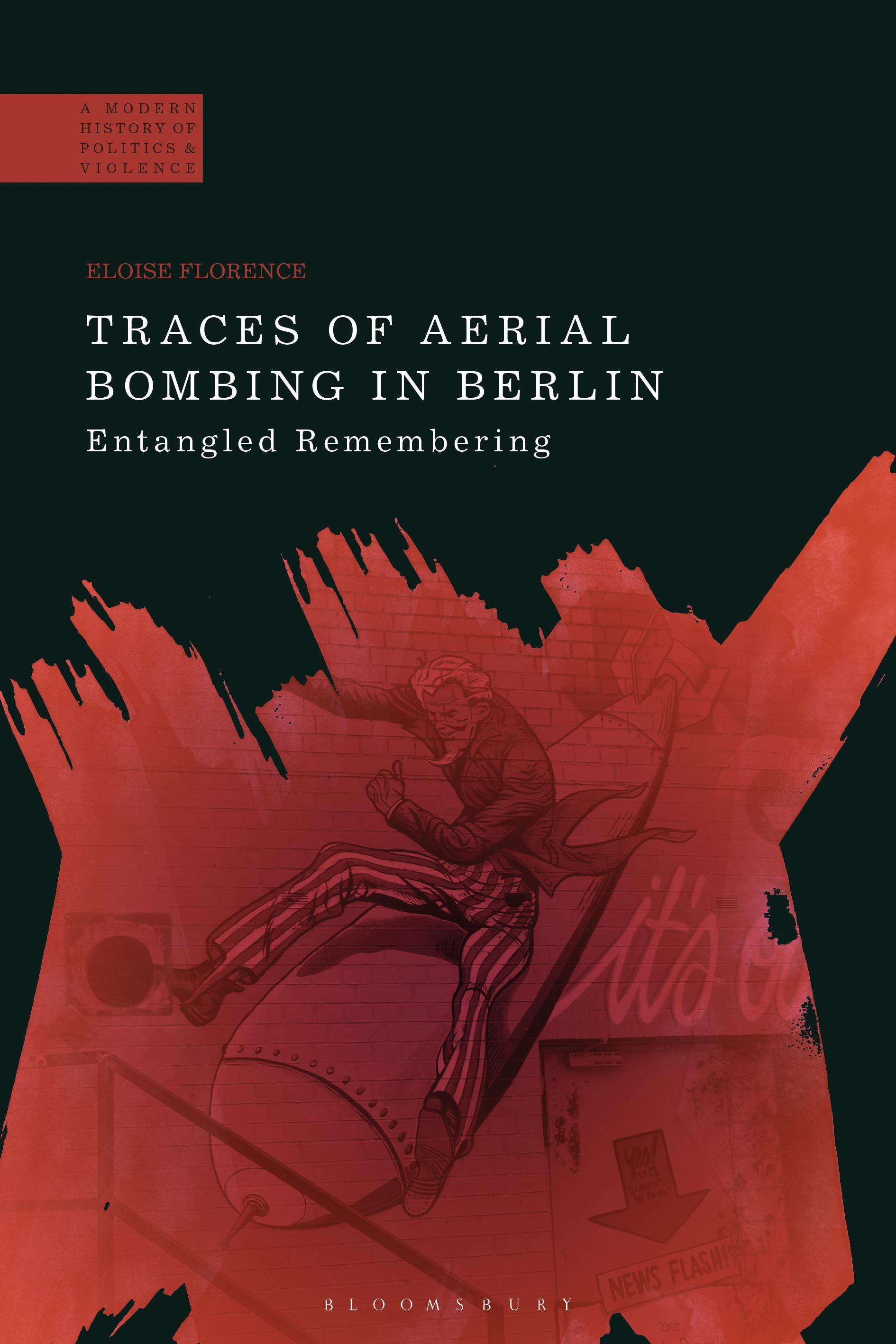
The destruction of monuments during the Black Lives Matter movement of 2020 shows how many nations are being forced to grapple with their national histories. It is clear that the things which make up our streets form a core part of our historical, political and cultural identity. Here, Eloise Florence turns to Berlin and the deeply entrenched English-language narratives about World War II to explore the complicated relationship between violence, place and memory in the Anglo-American consciousness.
Centered upon Teufelsberg – a hill in Berlin born from the rubble caused by Allied bombing – and other sites of violence across Germany's capital, this interdisciplinary study unpicks the use and abuse of area bombing and its cultural memory in Anglo-American audiences. Grounded in theories of new materialism and post-humanism, and drawing on extensive empirical and auto-ethnographic data, the issues addressed include: moving through urban landscapes as an embodied means of memorializing war and trauma; remembering destruction as a means to advance or challenge traditional war mythologies; and curation as an entry point for tourists to reconsider the impact of British and American aerial raids, including modern drone warfare.
This innovative volume shines an important light on both the dark legacy of the aerial bombing of Berlin and the ways in which we record and read violent histories more generally. As such, Traces of Aerial Bombing in Berlin will be an invaluable resource for all scholars of World War II, memory culture and public history.
Centered upon Teufelsberg – a hill in Berlin born from the rubble caused by Allied bombing – and other sites of violence across Germany's capital, this interdisciplinary study unpicks the use and abuse of area bombing and its cultural memory in Anglo-American audiences. Grounded in theories of new materialism and post-humanism, and drawing on extensive empirical and auto-ethnographic data, the issues addressed include: moving through urban landscapes as an embodied means of memorializing war and trauma; remembering destruction as a means to advance or challenge traditional war mythologies; and curation as an entry point for tourists to reconsider the impact of British and American aerial raids, including modern drone warfare.
This innovative volume shines an important light on both the dark legacy of the aerial bombing of Berlin and the ways in which we record and read violent histories more generally. As such, Traces of Aerial Bombing in Berlin will be an invaluable resource for all scholars of World War II, memory culture and public history.
Paga fácilmente con tarjeta, Klarna, Apple Pay o Google Pay. ¿No estás contento? Siempre tienes 14 días de garantía de devolución. Lee más en nuestros términos. Si tienes preguntas, escríbenos a hello@memmo.org.
Memmo hace que estudiar sea más fácil, estés donde estés. Aquí tienes tus libros de texto y herramientas de estudio inteligentes en un solo lugar: resúmenes, quizzes, podcasts y flashcards. Y también a Ted, tu compañero de estudio que responde a todo lo que te preguntes. Más de 50 000 estudiantes ya estudian aquí. Está hecho para que aprendas más rápido y te estreses menos.