
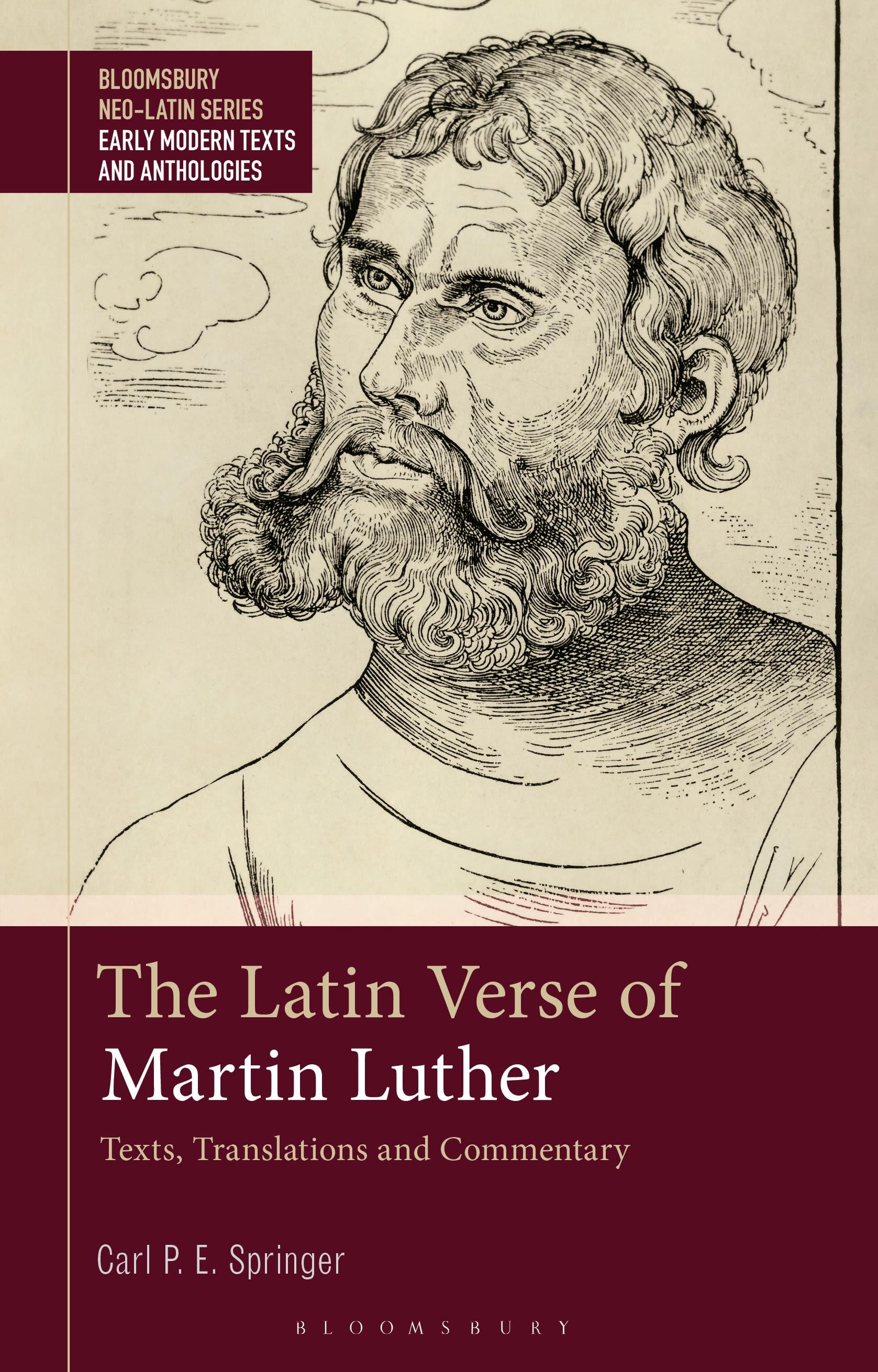
Martin Luther wrote a number of Latin poems, mostly using traditional classical metres, over the course of his career. He used them to praise friends, insult adversaries and express his faith in times of distress. Up until now, Luther's Neo-Latin poetry has largely fallen through the disciplinary cracks. Literary scholars have traditionally paid more attention to the Latin verse of more celebrated humanist poets such as Petrarch. Students of the Reformation have concentrated far more often on Luther's prose and his famous German hymns than on his Latin poems. Even scholars who are familiar with Luther's Neo-Latin poetry have dismissed it as of only marginal significance.
As this book demonstrates, Luther's Latin verses are valuable cultural products that amply reward scholarly reconsideration. Springer's volume is the first to provide English translations of all of them. It also includes extensive introductions and line-by-line annotations for each of the poems, situating them within their literary traditions and contemporary contexts. As such, it enables readers to see that far from being a reformer who more or less repudiated the Classics, or someone who merely dabbled in them, Luther was a confident, even bold, Latin poet, who was serious about working out his own distinctive synthesis between Christianity and the language and literature of the ancient Romans.
As this book demonstrates, Luther's Latin verses are valuable cultural products that amply reward scholarly reconsideration. Springer's volume is the first to provide English translations of all of them. It also includes extensive introductions and line-by-line annotations for each of the poems, situating them within their literary traditions and contemporary contexts. As such, it enables readers to see that far from being a reformer who more or less repudiated the Classics, or someone who merely dabbled in them, Luther was a confident, even bold, Latin poet, who was serious about working out his own distinctive synthesis between Christianity and the language and literature of the ancient Romans.
Páginas: 240
Categoría: Religion & Teologi
e-ISBN: 9781350261525
Peso de envío: 1.2 kg
Envío en: 1-2 días
Paga fácilmente con tarjeta, Klarna, Apple Pay o Google Pay. ¿No estás contento? Siempre tienes 14 días de garantía de devolución. Lee más en nuestros términos. Si tienes preguntas, escríbenos a hello@memmo.org.
Memmo hace que estudiar sea más fácil, estés donde estés. Aquí tienes tus libros de texto y herramientas de estudio inteligentes en un solo lugar: resúmenes, quizzes, podcasts y flashcards. Y también a Ted, tu compañero de estudio que responde a todo lo que te preguntes. Más de 50 000 estudiantes ya estudian aquí. Está hecho para que aprendas más rápido y te estreses menos.