
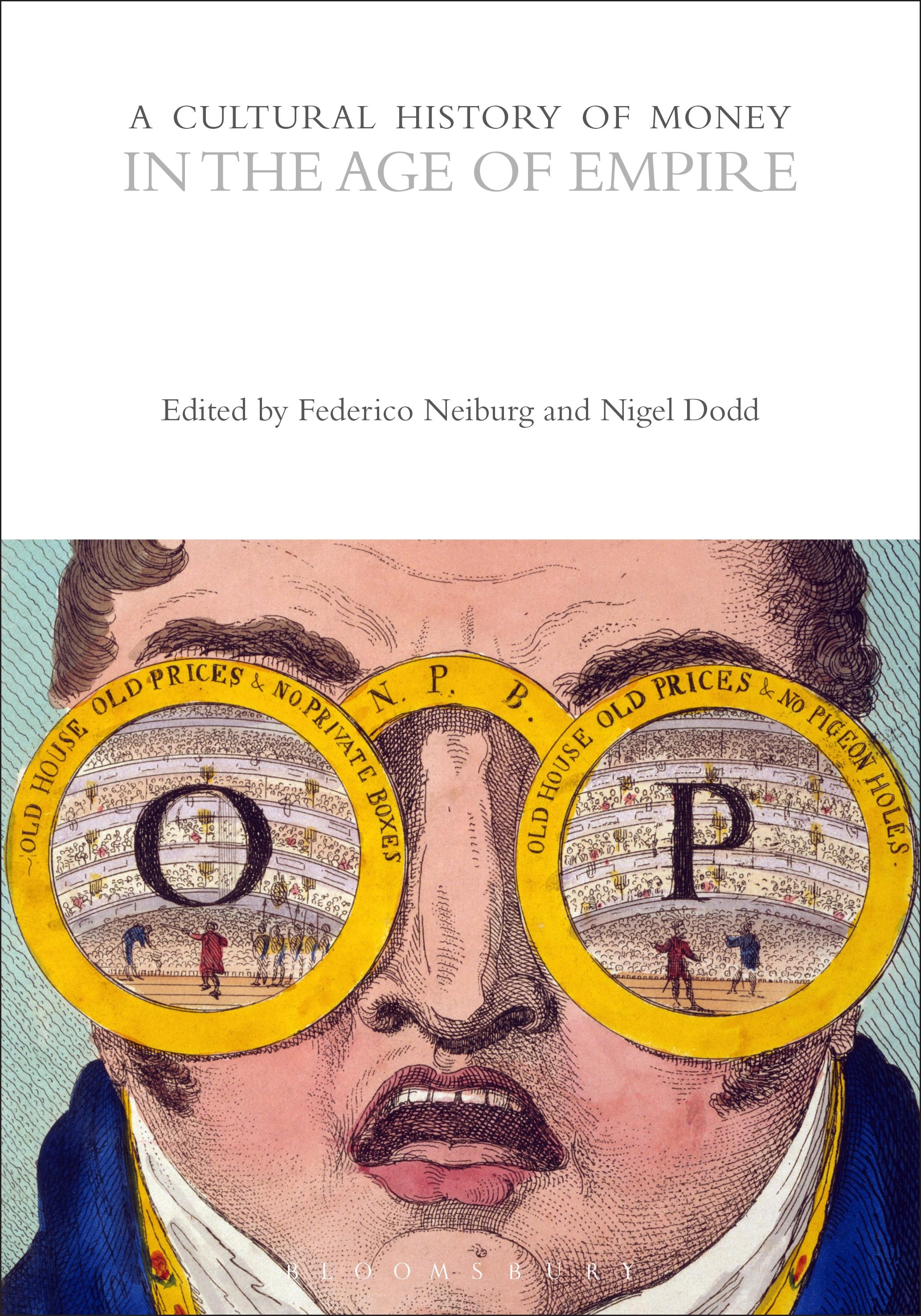
The nineteenth century was a time of intense monetization of social life: increasingly money became the only means of access to goods and services, especially in the new metropolises; new technologies and infrastructures emerged for saving and circulating money and for standardizing coinage; and paper currencies were printed, founded purely on trust without any intrinsic metallic value. But the monetary landscape was ambivalent so that the forces unifying monetary practice (imperial and national currencies, global monetary standards such as the gold standard) coexisted with the proliferation of local currencies. Money became a central issue in politics, the arts, and sciences - and the modern discipline of economics was born, with its claim to a monopoly on knowing and governing money.
Drawing upon a wealth of visual and textual sources, A Cultural History of Money in the Age of Empire presents essays that examine key cultural case studies of the period on the themes of technologies, ideas, ritual and religion, the everyday, art and representation, interpretation, and the issues of the age.
Drawing upon a wealth of visual and textual sources, A Cultural History of Money in the Age of Empire presents essays that examine key cultural case studies of the period on the themes of technologies, ideas, ritual and religion, the everyday, art and representation, interpretation, and the issues of the age.
Paga fácilmente con tarjeta, Klarna, Apple Pay o Google Pay. ¿No estás contento? Siempre tienes 14 días de garantía de devolución. Lee más en nuestros términos. Si tienes preguntas, escríbenos a hello@memmo.org.
Memmo hace que estudiar sea más fácil, estés donde estés. Aquí tienes tus libros de texto y herramientas de estudio inteligentes en un solo lugar: resúmenes, quizzes, podcasts y flashcards. Y también a Ted, tu compañero de estudio que responde a todo lo que te preguntes. Más de 50 000 estudiantes ya estudian aquí. Está hecho para que aprendas más rápido y te estreses menos.